• Episode 6: Fighting on Three Fronts

    Tension between military strategy, humanitarian efforts, and antiwar  activism reach crisis levels
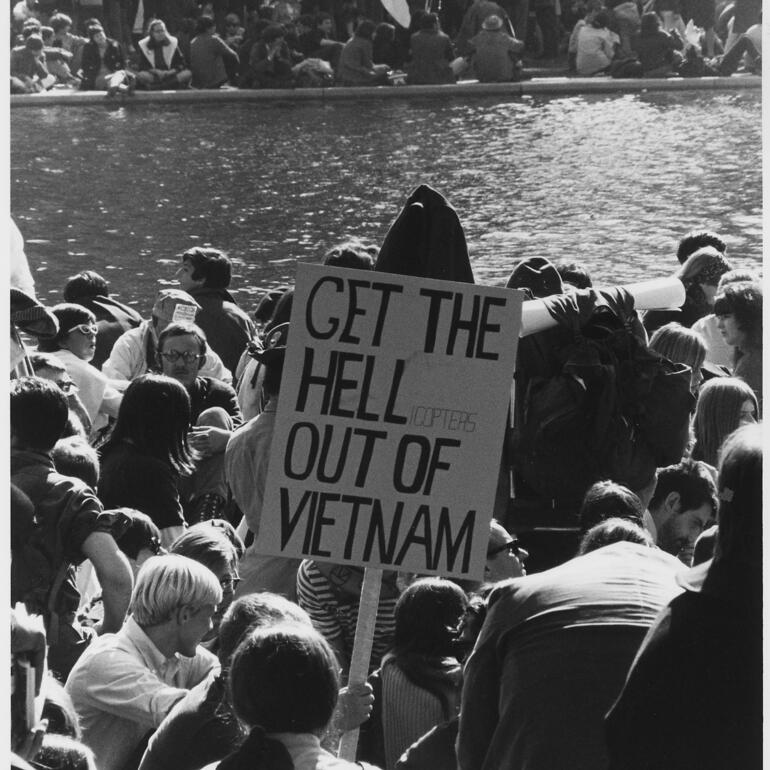
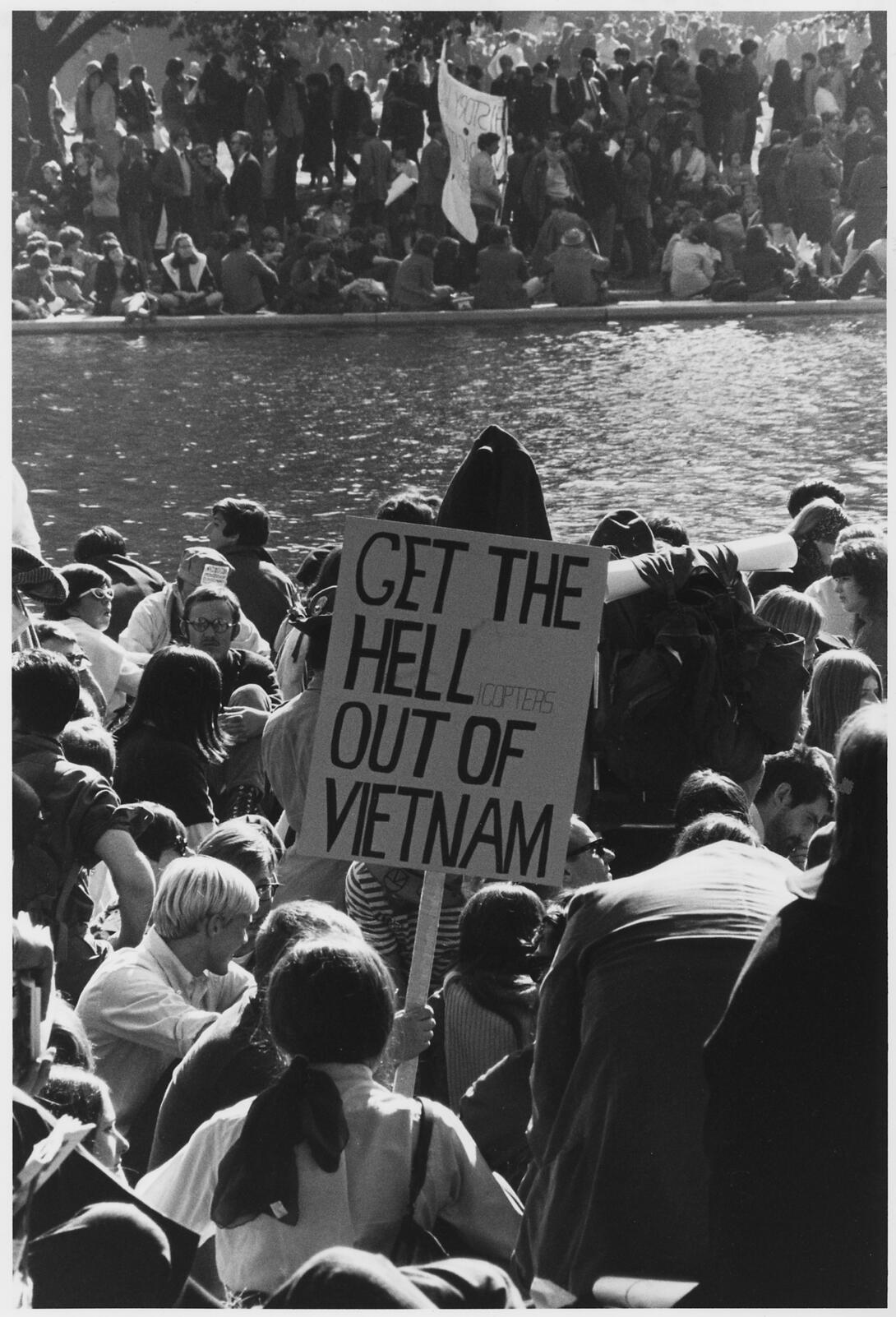
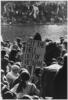
    Black and white photograph of group of protestors with sign sitting around water
  • If America's soul becomes totally poisoned, part of the autopsy must read “Vietnam.” - Reverend Martin Luther King Jr., 1967

    The American strategy in Vietnam was to suppress the Communist insurgency through the ground war while winning the hearts and minds of the South Vietnamese through humanitarian efforts. But it was difficult to build bonds with people whose lives were  upended by the search-and-destroy tactics of the combat forces.

    Back at home, antiwar protests mounted. Public support for the war fell below 50 percent for the first time. In October 1967, nearly 100,000 people joined the March on the Pentagon to protest the war. The Johnson administration tried to tamp down dissent with news of progress, going so far as to call General Westmoreland home from the battlefield to present a glowing report to the American people. Military officers were pressured to  overestimate enemy casualties and underestimate enemy strength—a practice that would have devastating consequences for President Johnson.

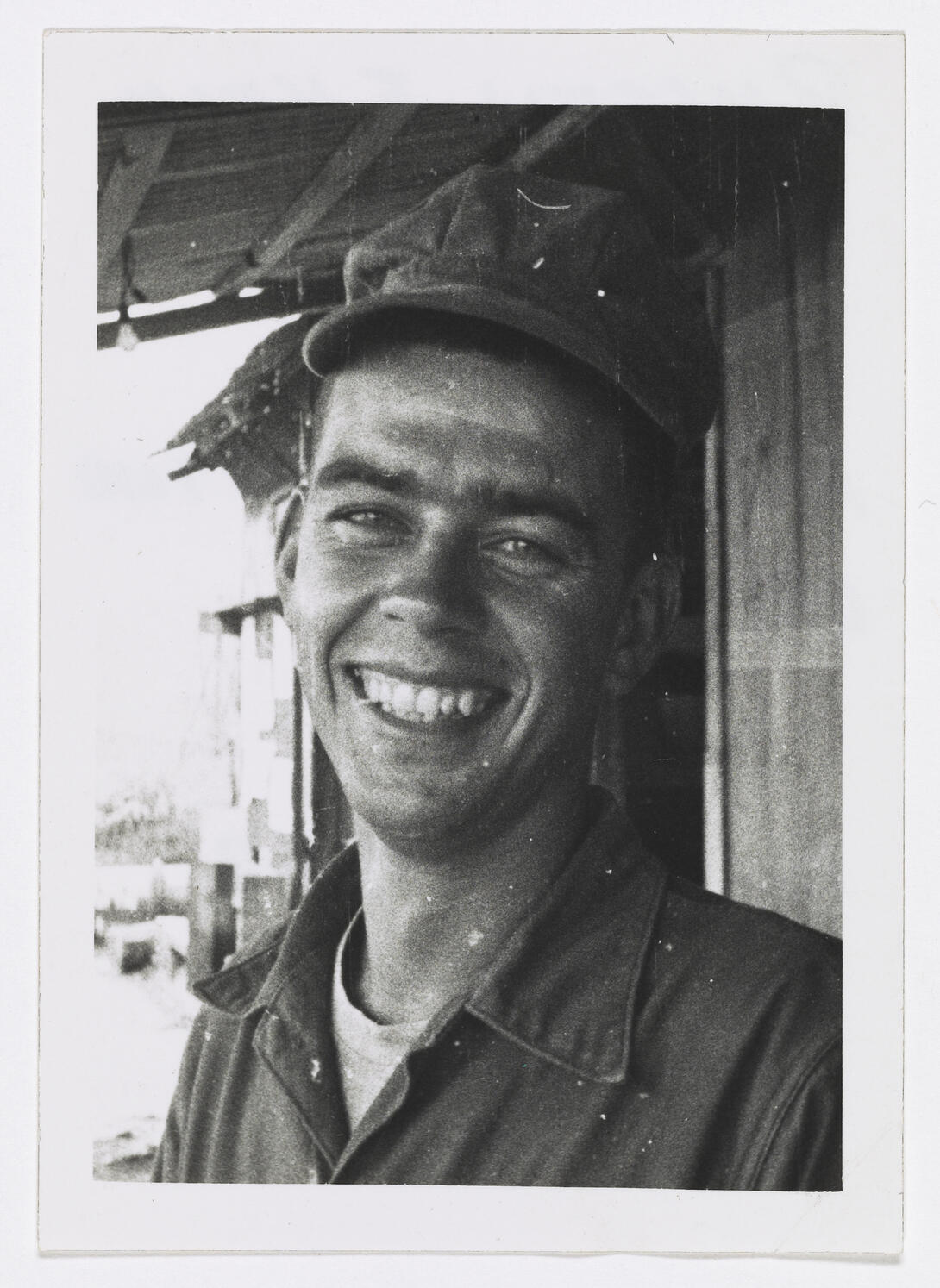
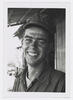
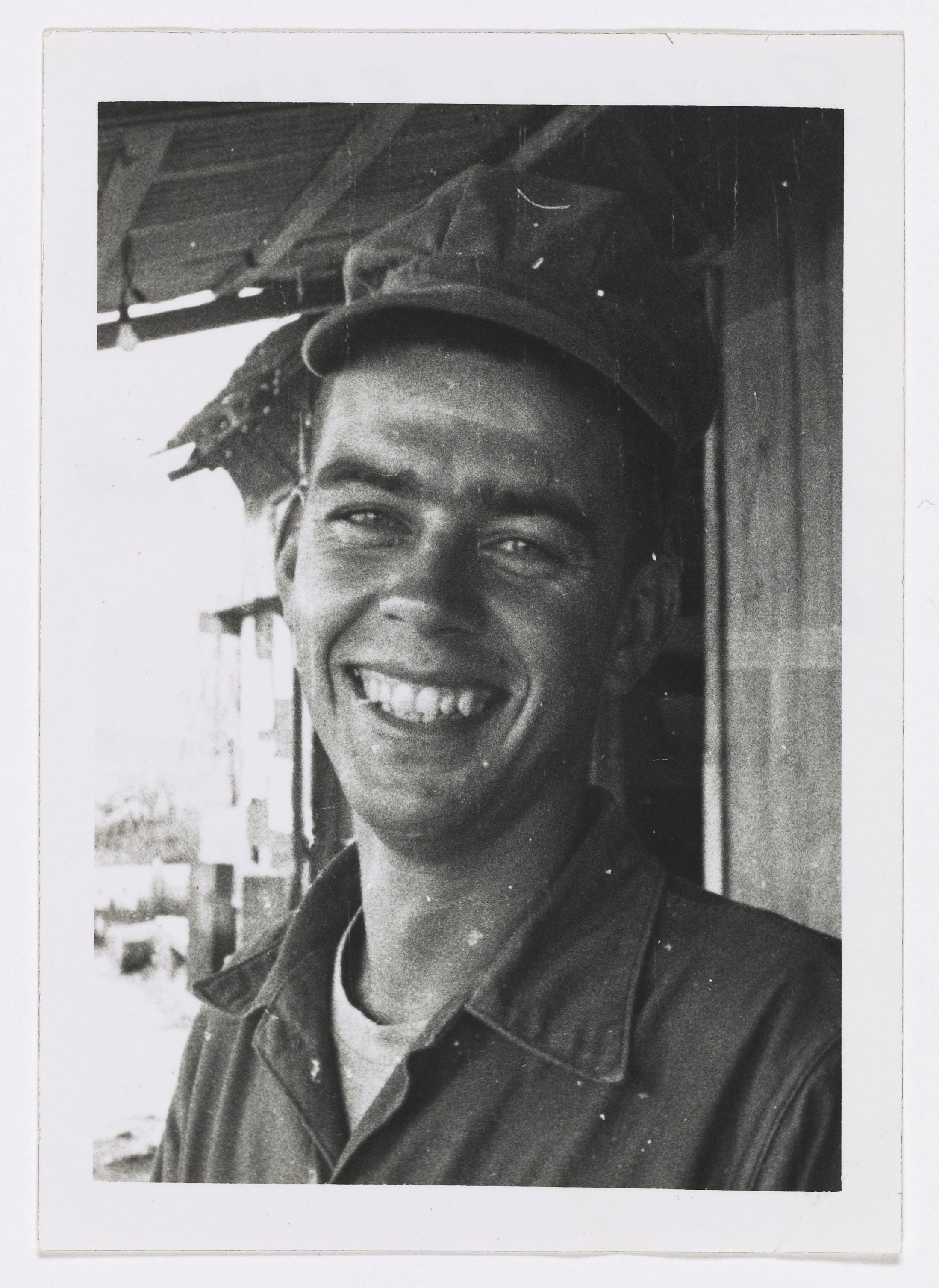
  • Corporal Russell Forrest Keck died in Vietnam on May 18, 1967. He was 20 years old.

    Portrait of Russell Forrest Keck, undated. Lyndon B. Johnson Presidential Library and Museum

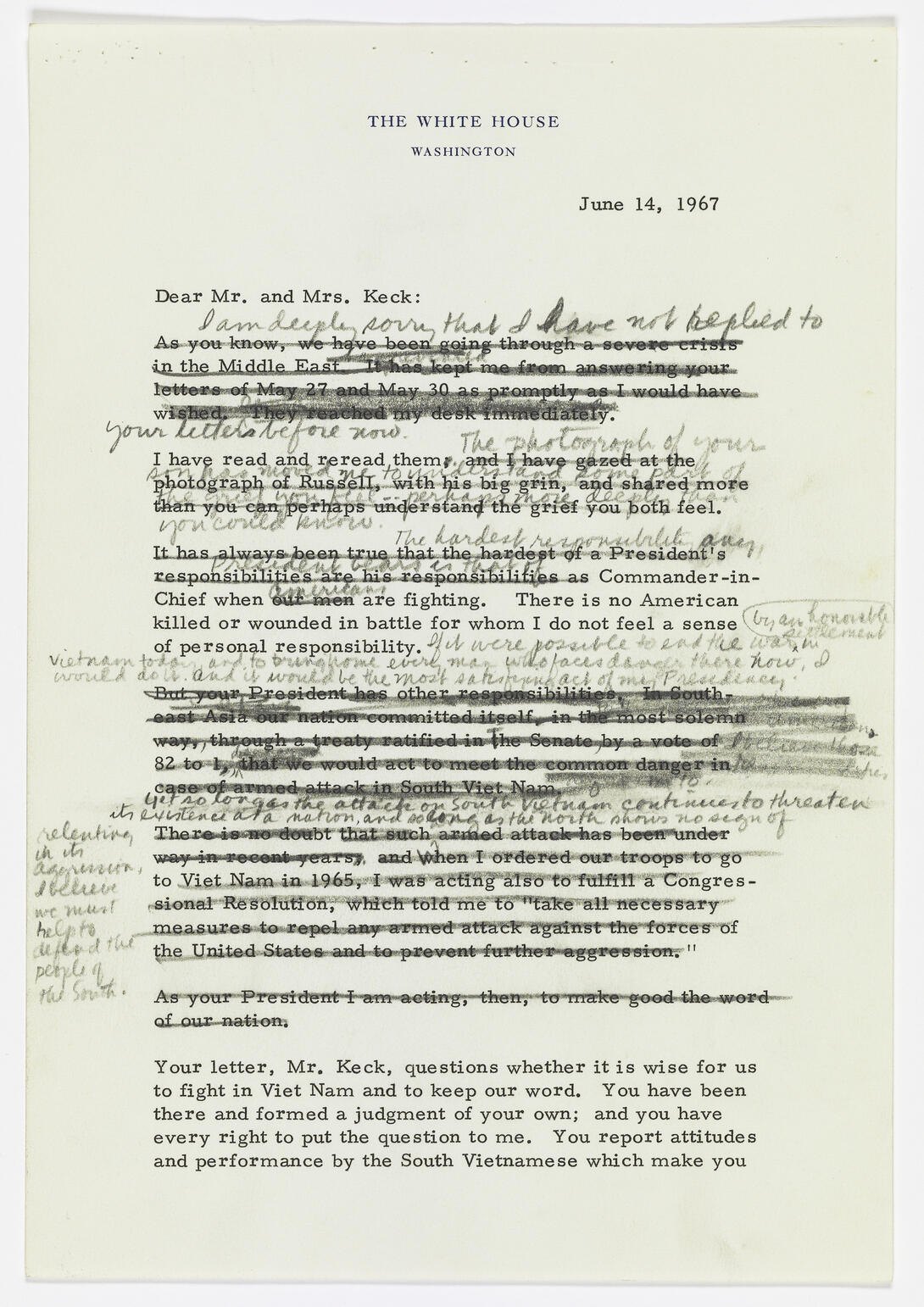
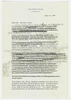
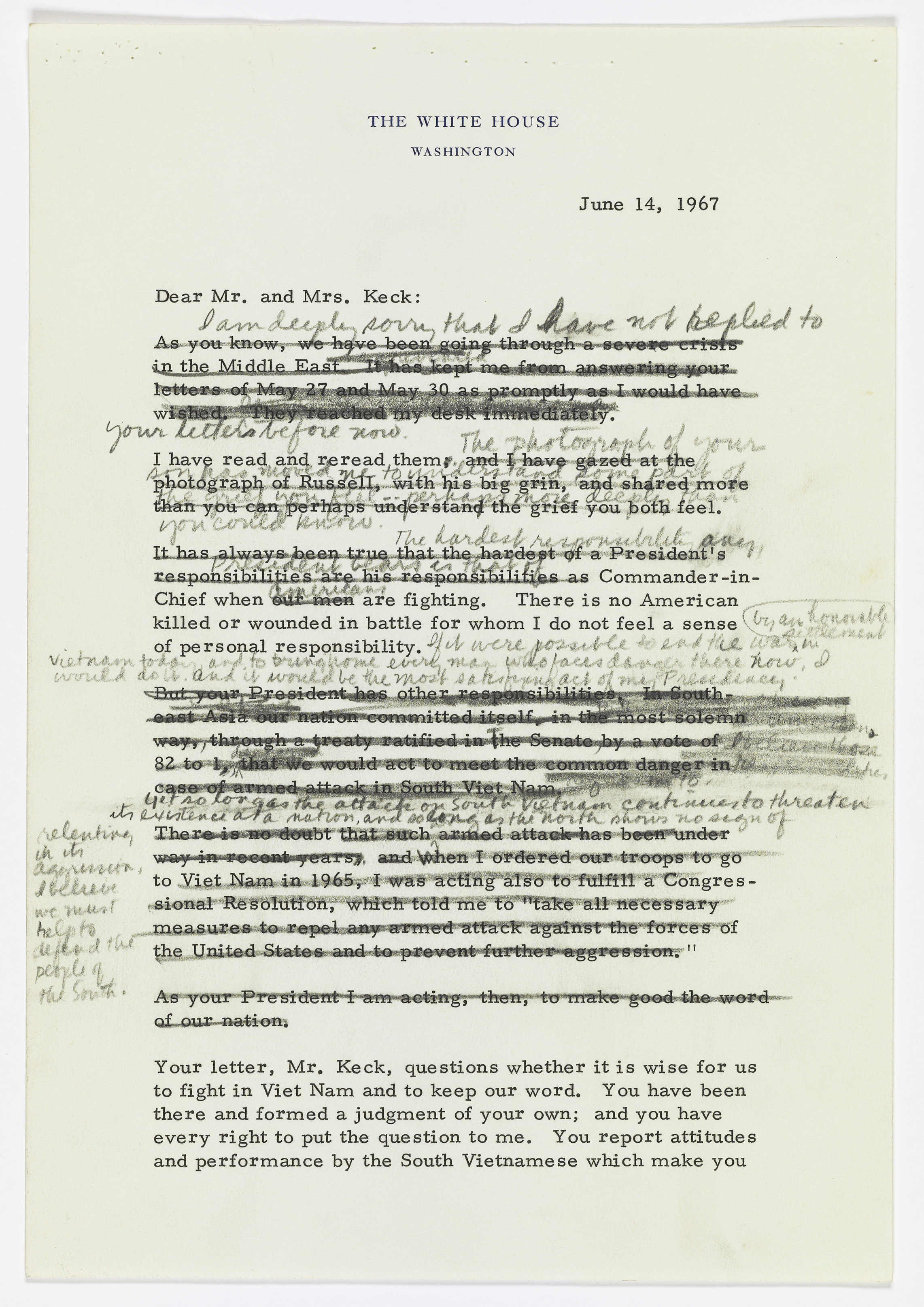
  • In long letters to President Johnson, Russell Keck’s parents expressed their anger and grief at losing their son. His draft reply, with its layers of revised and rejected phrases, reveals his struggle to respond.

    President Johnson’s draft response to Mr. and Mrs. Keck, June 14, 1967.  Lyndon B. Johnson Presidential Library and Museum

  • The “War at Home”

    Opposition to the war grew, diversified, and clashed with supporters in a more and more divided nation

    For the first time in history, the death and destruction of war was beamed onto television screens in living rooms around the world. This portal into the grim realities of war turned more and more people against it. But many Americans, even some who opposed the war, felt protest marchers were disloyal to American soldiers, further dividing the population in the growing “War at Home.”

    As troop levels neared half a million, casualties mounted with no apparent progress, and tens of thousands of young men—disproportionately blue collar and minority—were drafted each month, opposition to the war mounted. Some peace-promoting doves saw the war as a well-intentioned but disastrous mistake. War-minded Hawks blamed the media for turning the population against a winnable war. The bitter polarization of American society begun during  the Vietnam War is still evident today.

  • Key Dates

    April 4, 1967: Martin Luther King Jr. denounces Vietnam War

    April 28, 1967: Boxer Muhammad Ali refuses military service

    July 1967: Clashes between black residents and police in Detroit and Milwaukee

    August 1967: Race conflict in Washington, DC

    October 1967: Protests at the University of California at Berkeley and the Lincoln Memorial

    October 26, 1967: Navy pilot John McCain shot down over North Vietnam and taken prisoner

    November 3–22, 1967: Battle of Dak To

    December 1967: Troop level reaches 485,600

    Protesters at March on the Pentagon, October 21, 1967. Lyndon B. Johnson Presidential Library and Museum
  • Black and white photograph of group of protestors with sign sitting around water
  • Black and white photograph of smiling soldier
    Draft of typewritten letter with mark-ups and handwritten text
  • Black and white photograph of group of protestors with sign sitting around water
DownloadShow Transcript