Opening the Vault: Second Continental Congress
The Second Continental Congress served as the de facto government: overseeing the war effort, passing the Declaration of Independence, and appointing diplomats.
-
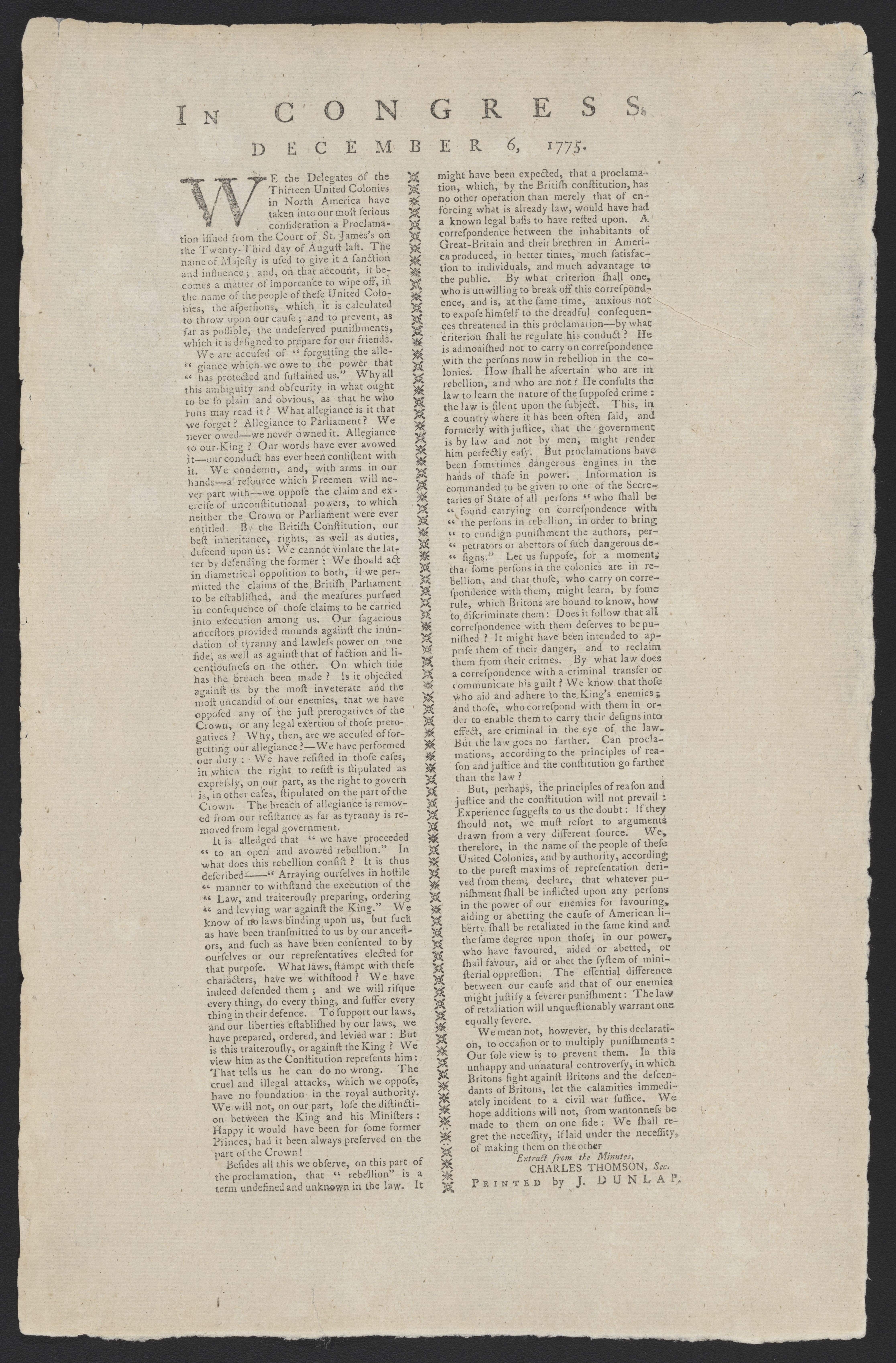
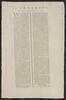
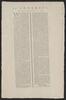
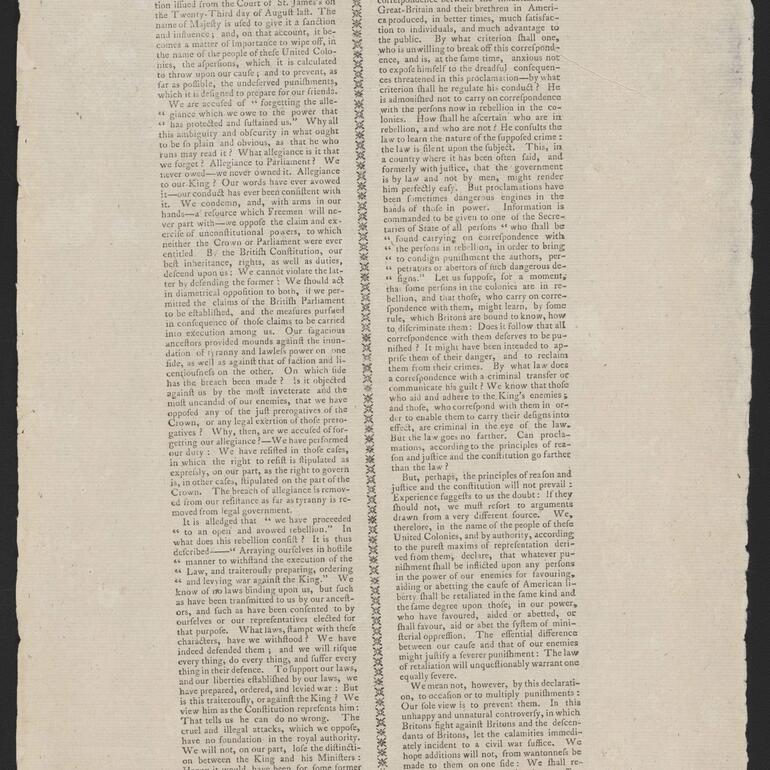
On August 23, 1775, four months after the Revolutionary War had begun, King George issued a proclamation in which he declared the American colonies to be in a state of open rebellion. Congress responded by publishing this broadside, which stated that while the colonies had always been loyal to the King, Parliament had no legitimate claim to authority because of the colonies’ lack of representation in Parliament.
Records of the Continental and Confederation Congresses and the Constitutional Convention
Learn more: The Second Continental Congress Convenes
-
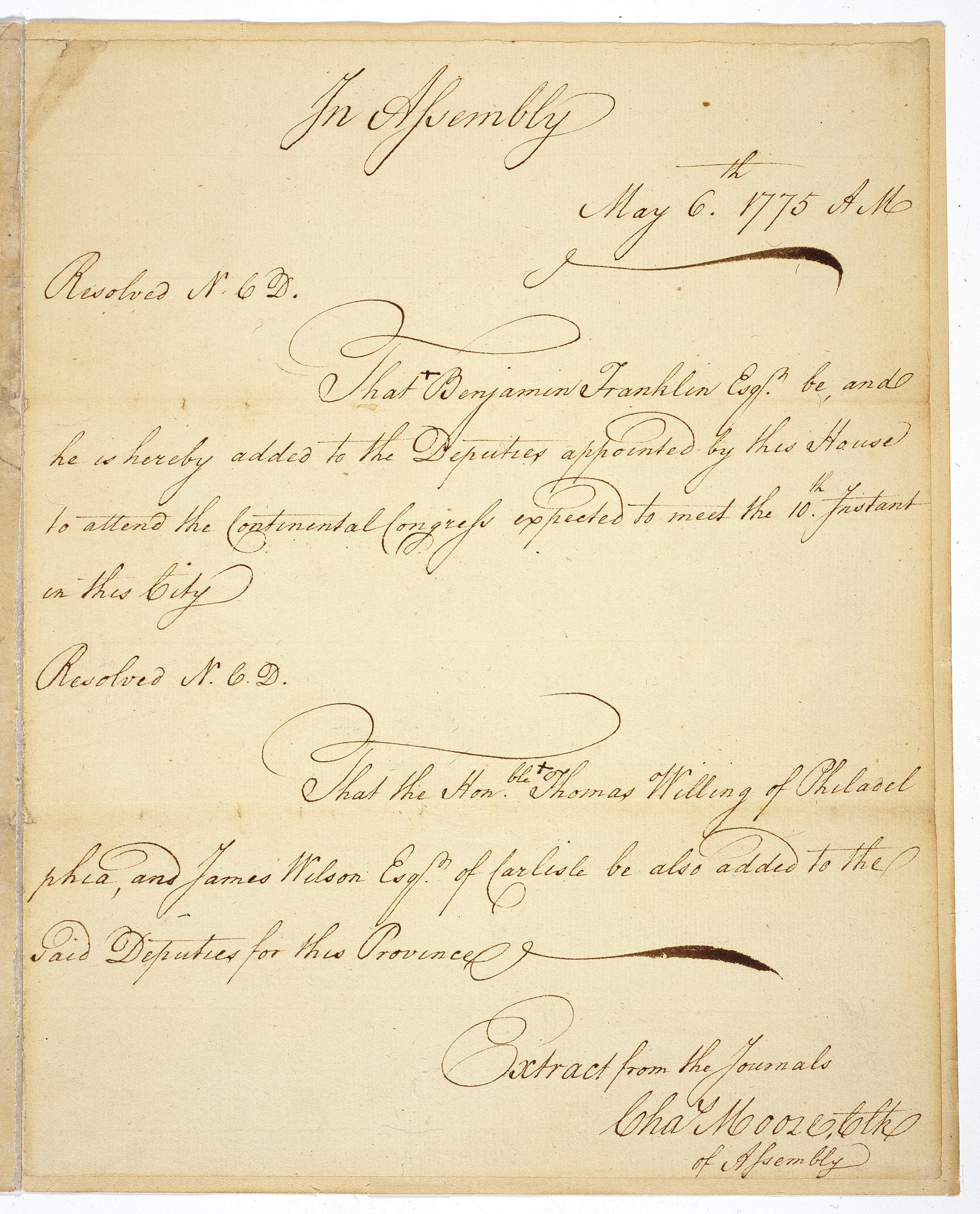
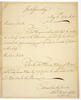
Some of the nation’s most influential founders served as delegates to the Second Continental Congress. They were selected by colonial legislatures or conventions, and their credentials served as proof that they had been duly chosen to serve in the Congress. On May 6, 1775, the Pennsylvania Provincial Assembly selected Benjamin Franklin, Thomas Willing, and James Wilson as delegates to represent Pennsylvania in the Second Continental Congress. Pennsylvania’s Provincial Assembly existed from 1682–1776, and was replaced with the Pennsylvania General Assembly once the United States was established in 1776.
Records of the Continental and Confederation Congresses and the Constitutional Convention
-
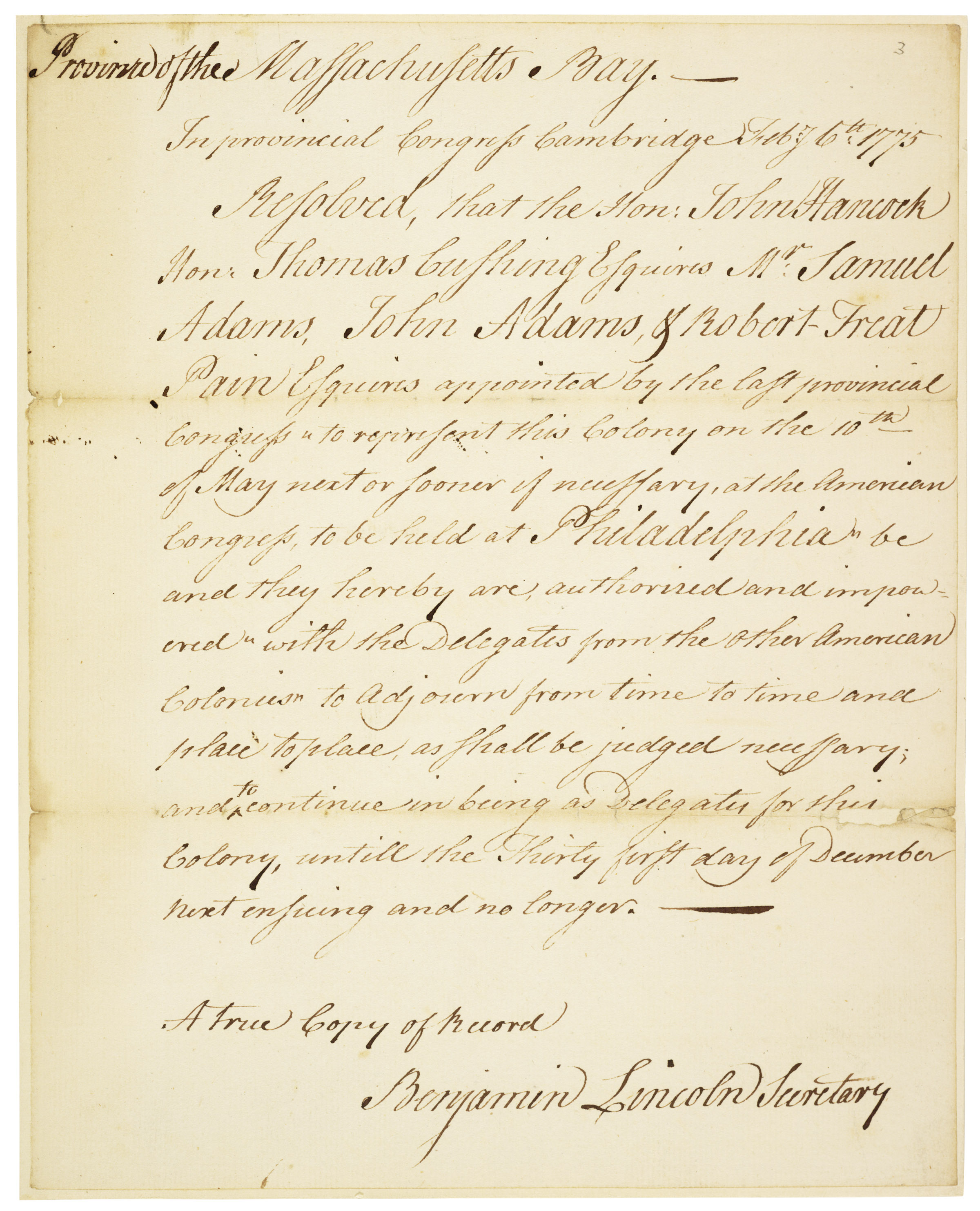
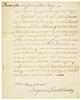
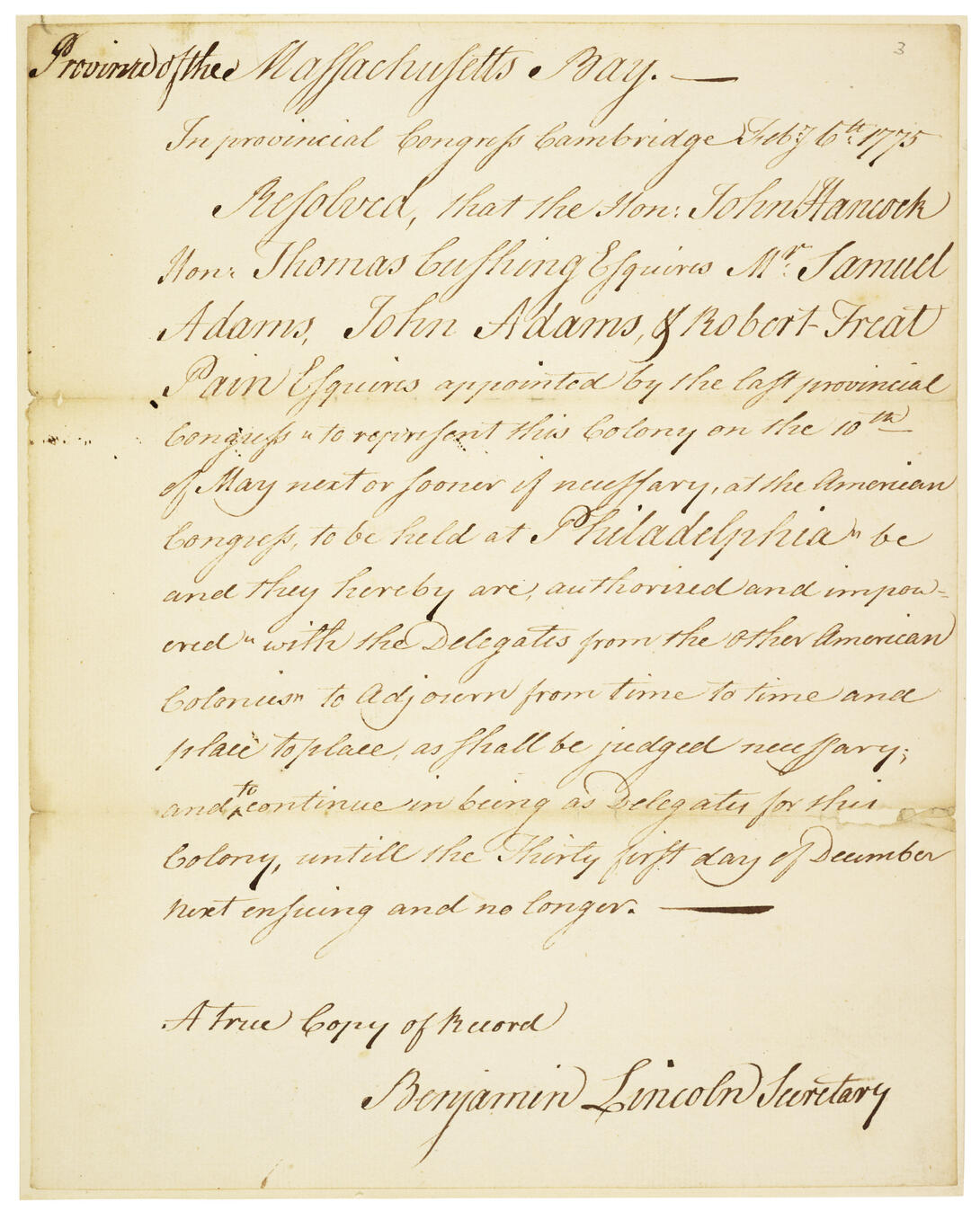
On February 6, 1775, the Massachusetts Provincial Congress selected John Hancock, Thomas Cushing, Samuel Adams, John Adams, and Robert Treat Paine as delegates to represent Massachusetts in the Second Continental Congress. The Massachusetts Provincial Congress was the governing body in opposition to the British Crown-appointed governor and council.
Records of the Continental and Confederation Congresses and the Constitutional Convention
-
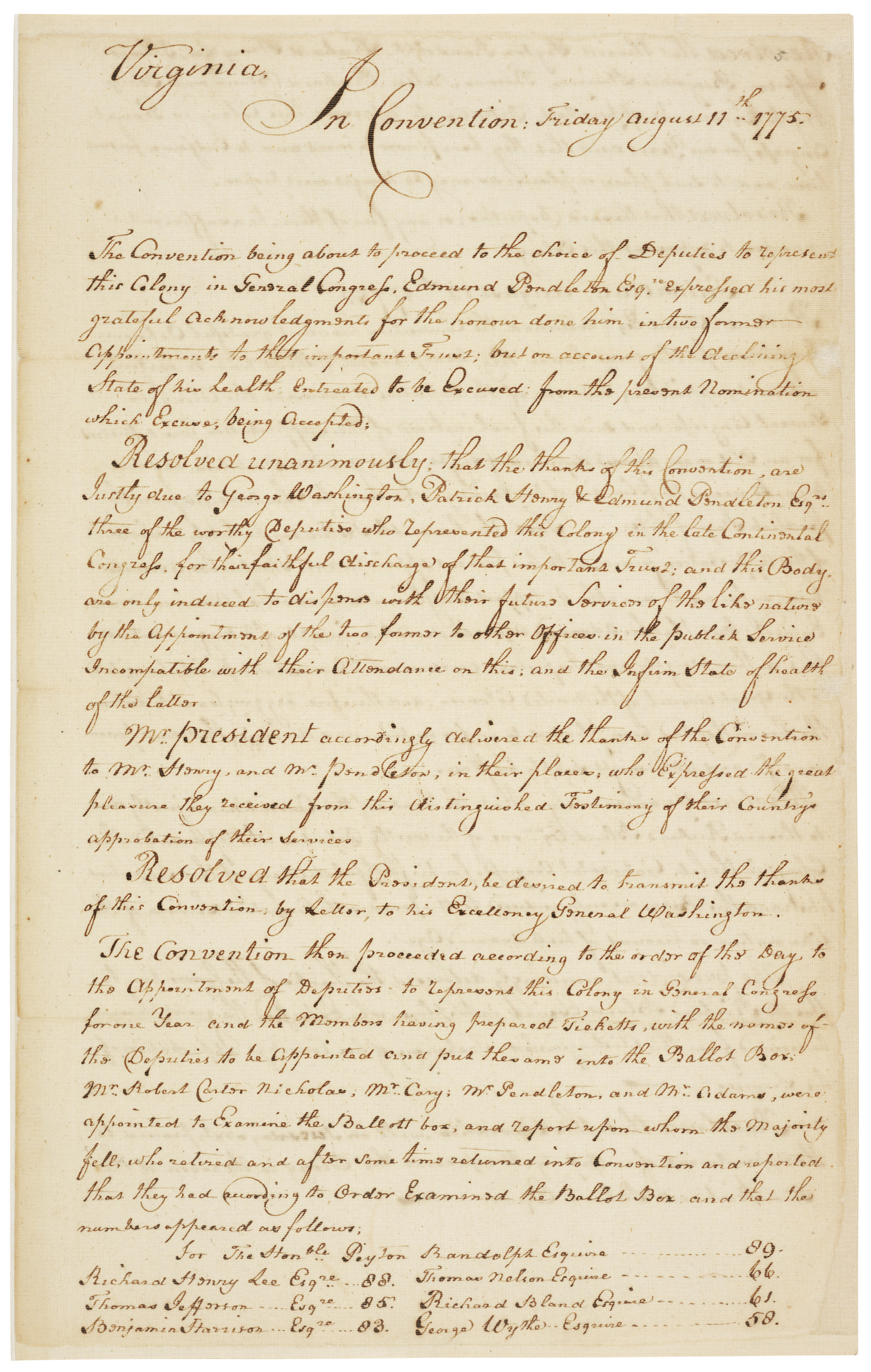
On August 11, 1775, Virginia’s Convention selected Peyton Randolph, Richard Henry Lee, Thomas Jefferson, Benjamin Harrison, Thomas Nelson, Richard Bland, and George Wythe as delegates to represent Virginia in the Second Continental Congress. The Proceedings of the Virginia Convention served as the delegates' credentials. It also notes a very special thank-you to “his Excellency General Washington.”
Records of the Continental and Confederation Congresses and the Constitutional Convention