• Opening the Vault: Baseball in the Archives

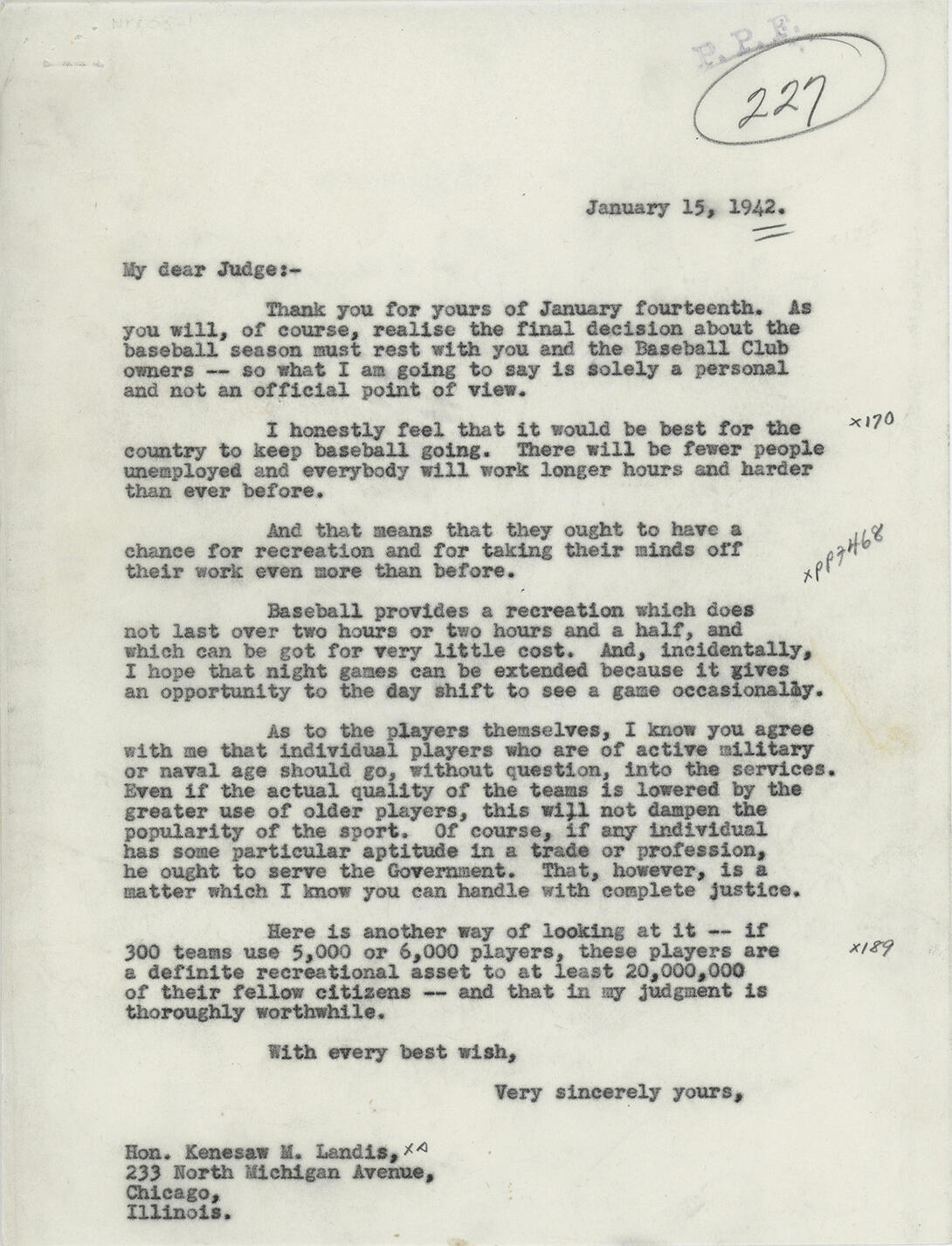
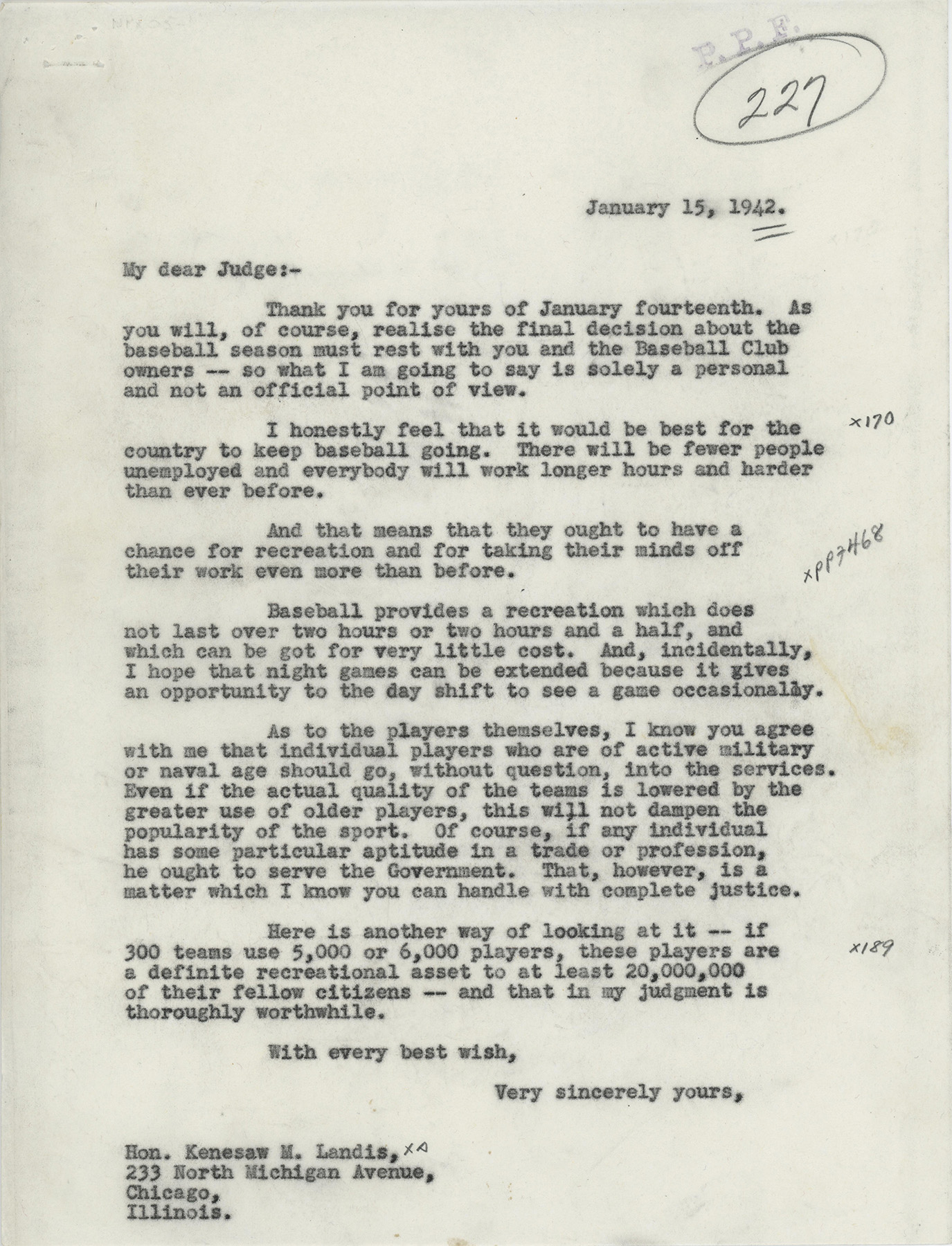
    “I honestly feel that it would be best for the country to keep baseball going.”

    President Franklin D. Roosevelt, January 15, 1942
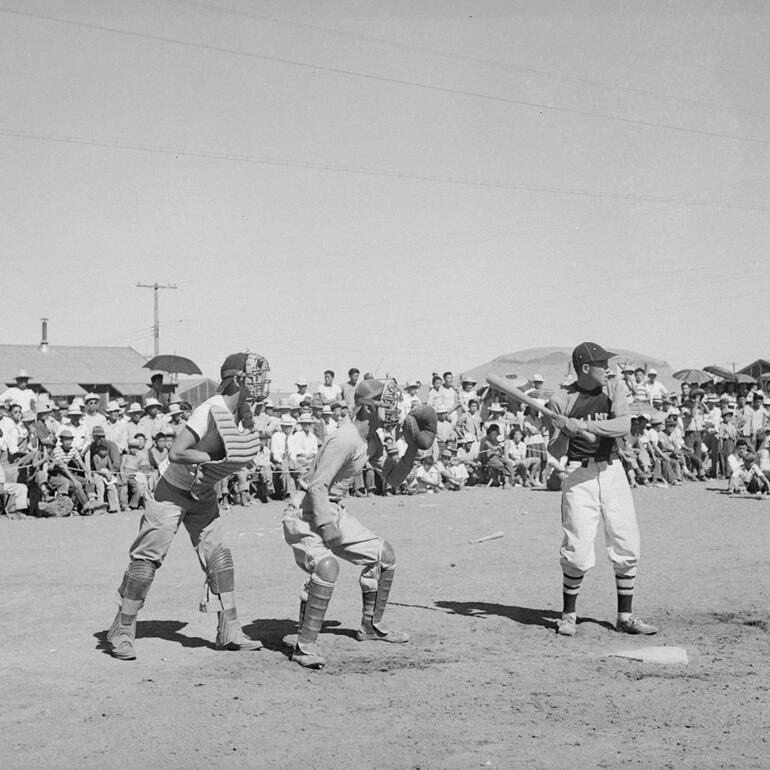
    Black and white image of three men playing baseball with a crowd behind.
  • Baseball and the Battlefield

    Baseball arrived in North America from Europe in the 1700s and evolved alongside the United States. By 1856, newspapers were calling it the “National Pastime” as pick-up games and amateur teams grew. The Civil War did little to disrupt the growing sport as soldiers organized games throughout military encampments.

     Over the next hundred years and through two World Wars, baseball’s presence on the battlefield continued. Major league players enlisted in the military as service members formed their own teams abroad, and civilians at home played ball to maintain normalcy. These traditions continued in times of war and peace well after World War II ended in 1945.

  • Giving the “Green Light”

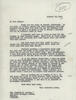
    The U.S. entered World War II in late 1941, just months before Major League Baseball spring training began. In this 1942 letter, known as the “Green Light” letter, President Franklin D. Roosevelt gave his support for the continuation of professional baseball. 

    Letter from President Franklin D. Roosevelt to Kenesaw Landis Regarding Baseball, January 15, 1942. Franklin D. Roosevelt Presidential Libra...Read more

    Letter from President Franklin D. Roosevelt to Kenesaw Landis Regarding Baseball, January 15, 1942. Franklin D. Roosevelt Presidential Library and Museum

    Read less
  • A Different Uniform

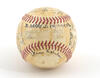
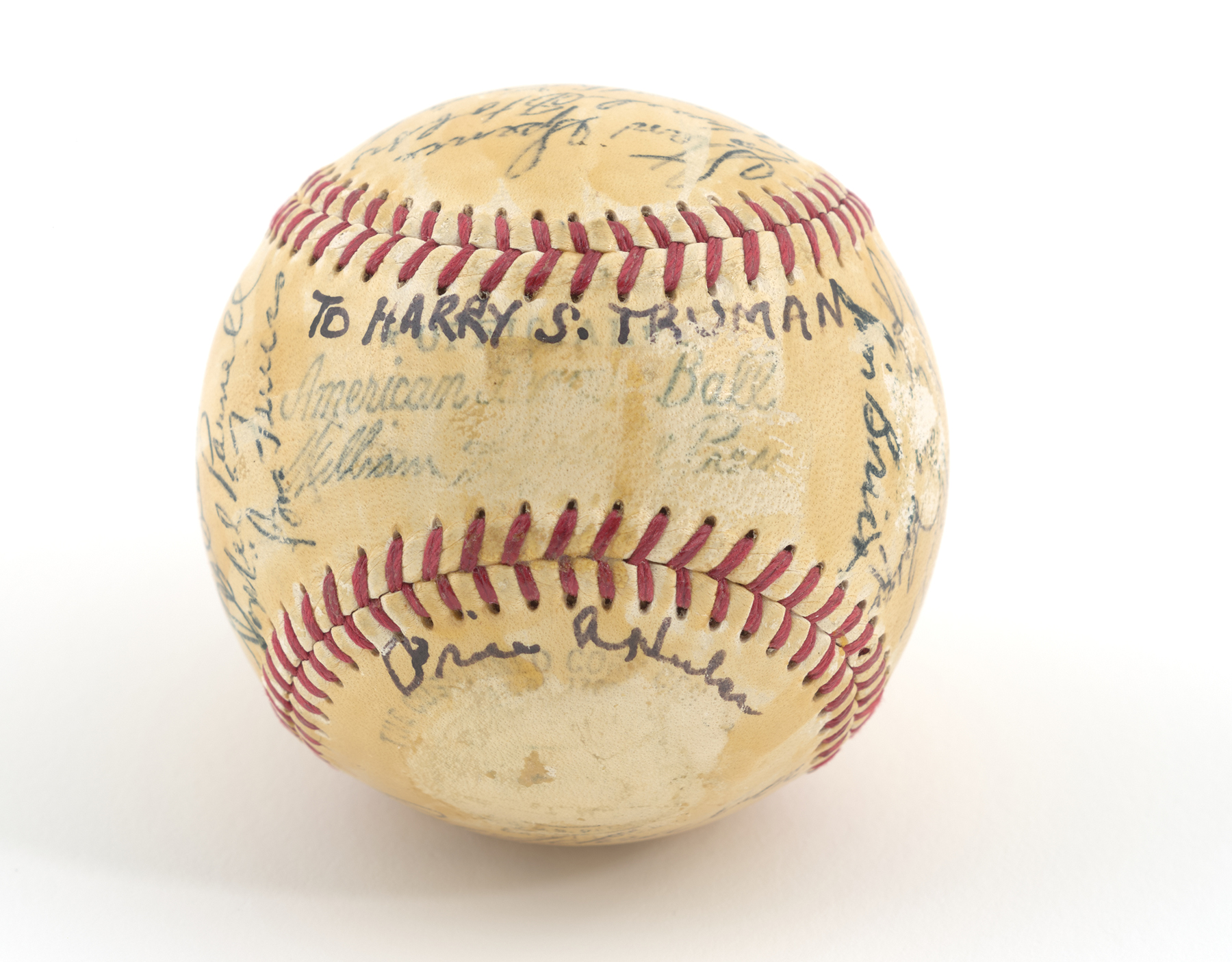
    More than 500 Major Leaguers, at least 119 Negro League players, and 4,000 Minor Leaguers served in World War II. This baseball, autographed by the 1948 Boston Red Sox team, includes signatures from Ted Williams, Johnny Pesky, and Dom Dimaggio, all of whom served. 

    Baseball autographed by the Boston Red Sox, 1948. Harry S. Truman Presidential Library and Museum

  • WACs Step Up to the Plate

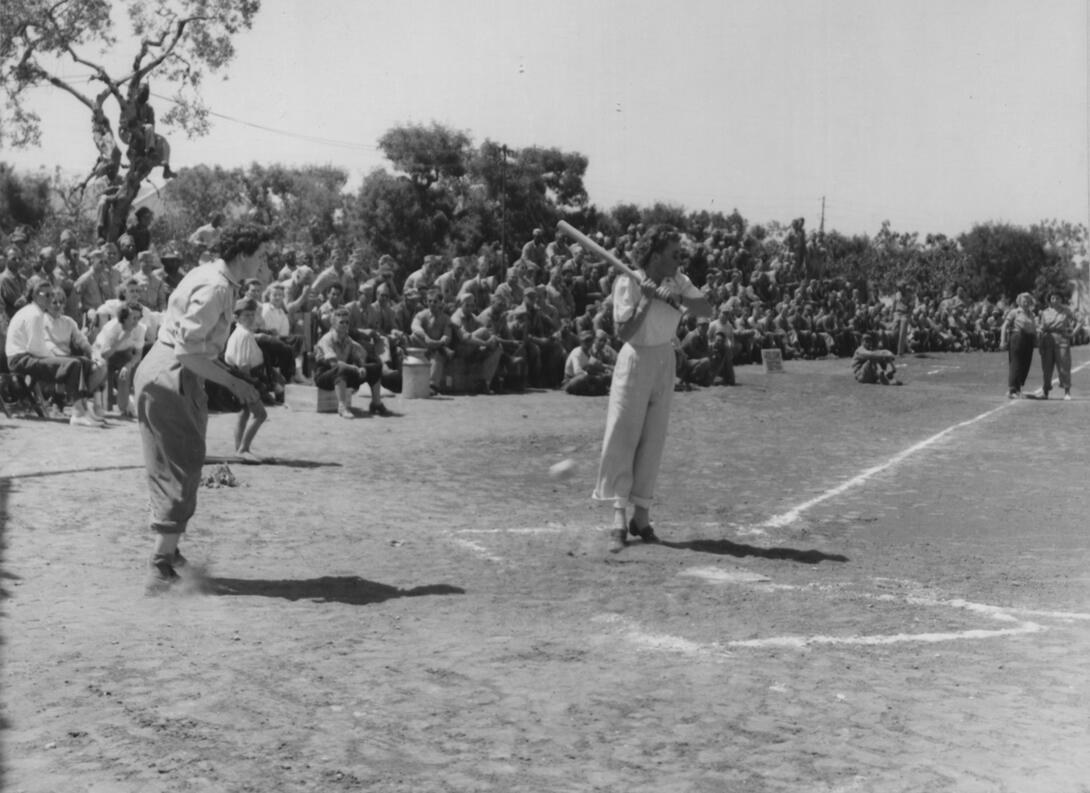
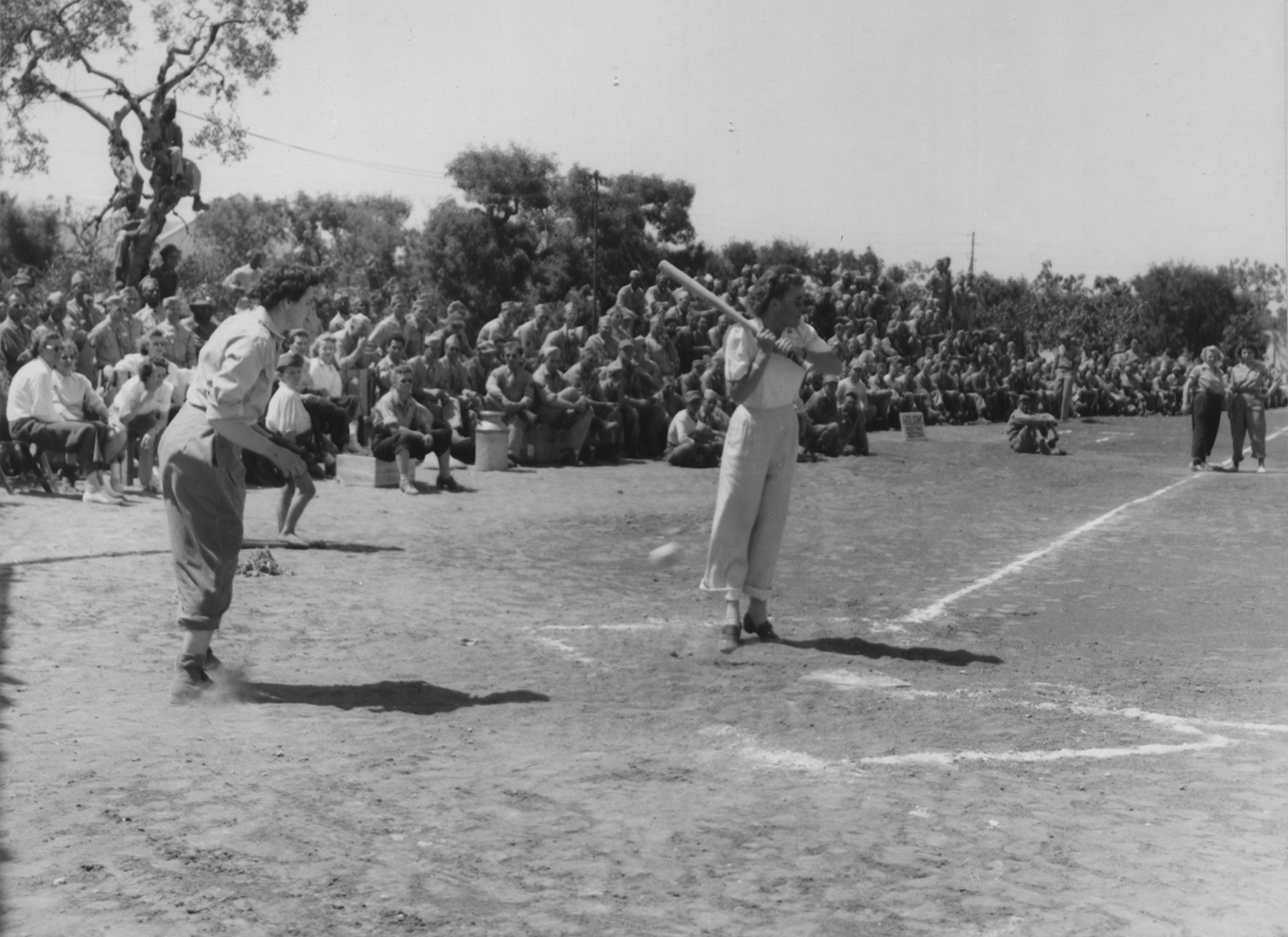
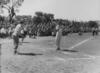
    World War II created new paths for American women to serve. Approximately 150,000 women joined the Women's Army Auxiliary Corps (WACs). At home, the All-American Girls Professional Baseball League formed to keep the sport alive. Helen “Gig” Smith joined both: she was a WAC and played outfield for the Kenosha Comets and Grand Rapids Chicks.

    Army Nurses Play Baseball with Women's Army Auxiliary Corps (WACs) in Italy, 1944. Records of U.S. Air Force Commands, Activities, and Organ...Read more

    Army Nurses Play Baseball with Women's Army Auxiliary Corps (WACs) in Italy, 1944. Records of U.S. Air Force Commands, Activities, and Organizations

    Read less
  • All-Stars in the Service

    The National Archives holds service records for millions of military personnel, including many baseball players, from Jackie Robinson to Yogi Berra.


  • “Hammerin’ Hank”

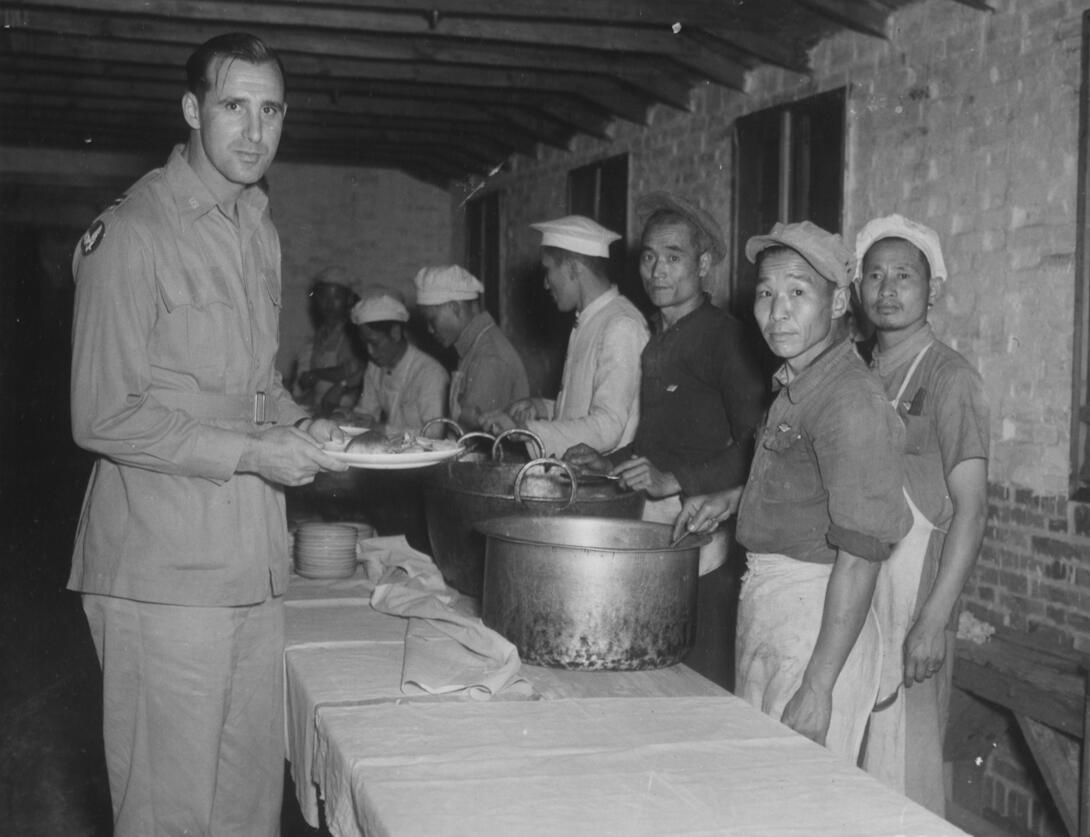
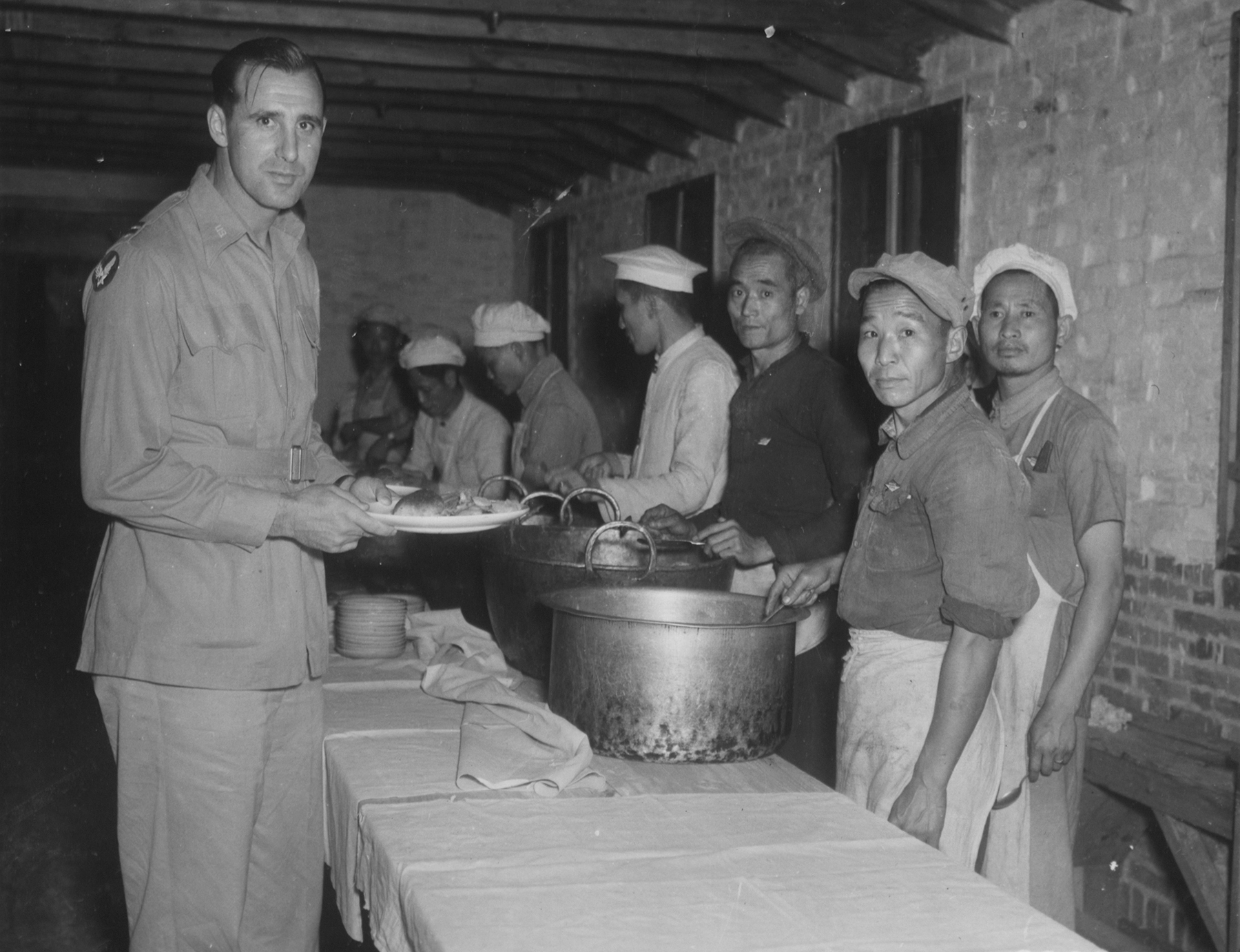
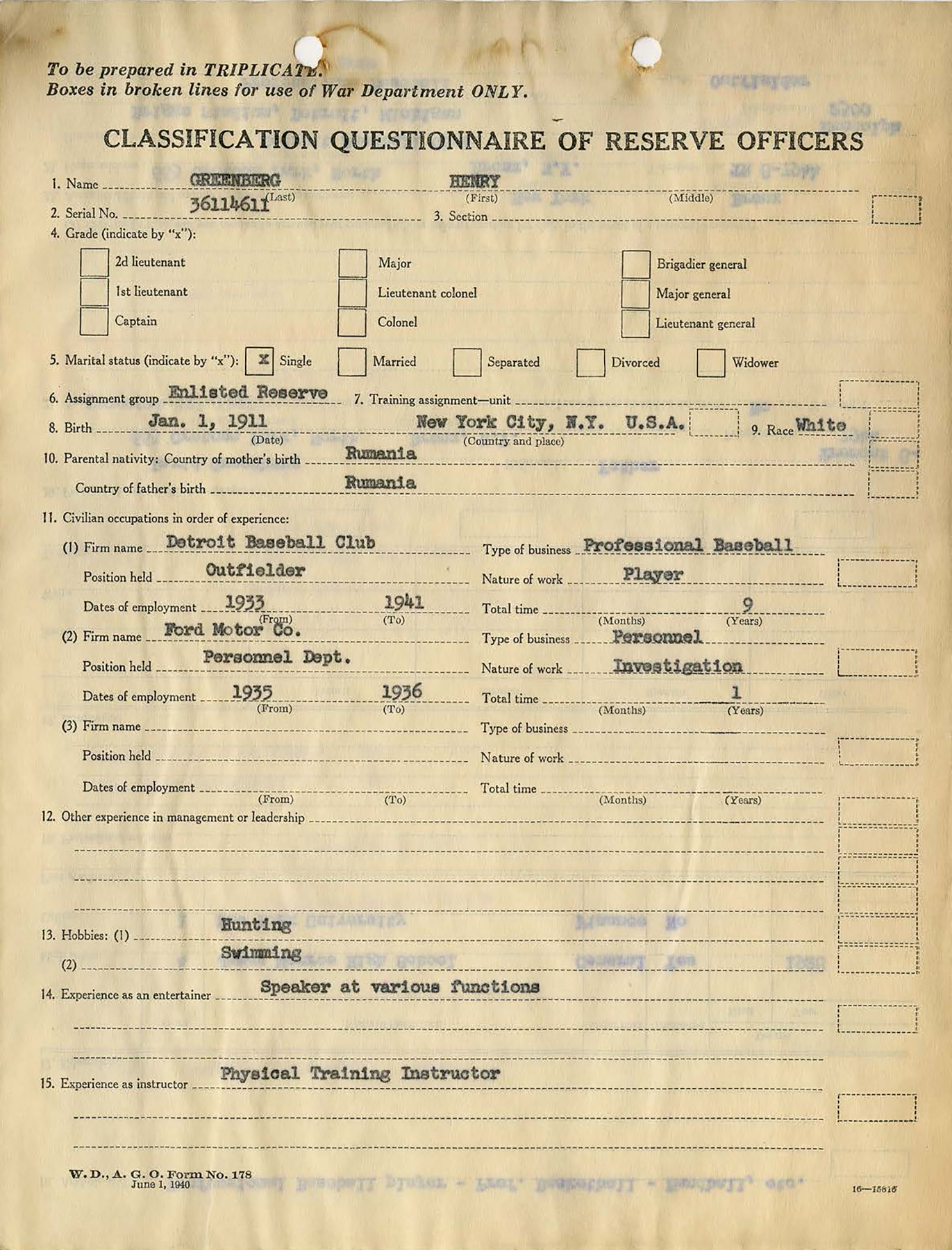
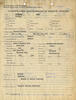
    Known as the first Jewish American baseball superstar, Hank Greenberg paused his career with the Detroit Tigers to enlist in the Army Air Forces. He served overseas, working with B-29 bomber units until the end of the war. In his first game back in the Major Leagues in 1945, Greenberg hit a home run!

    Captain "Hank" Greenberg at a 14th Air Force Base In China, 1946. Records of U.S. Air Force Commands, Activities, and Organizations

  • Official Military Personnel File of Henry Greenberg, 1941–1945. Records of the Army Staff

  • “The Great One”

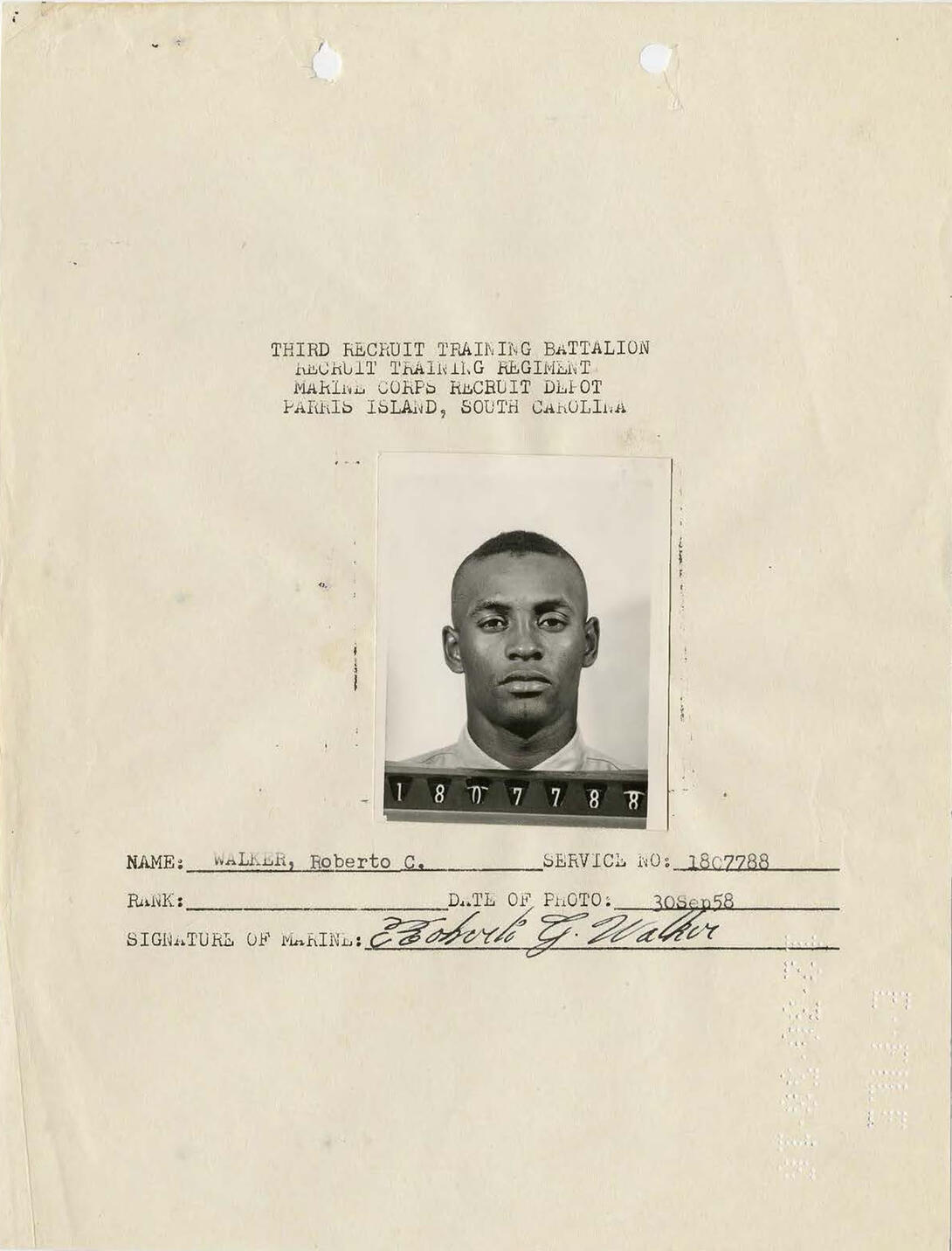
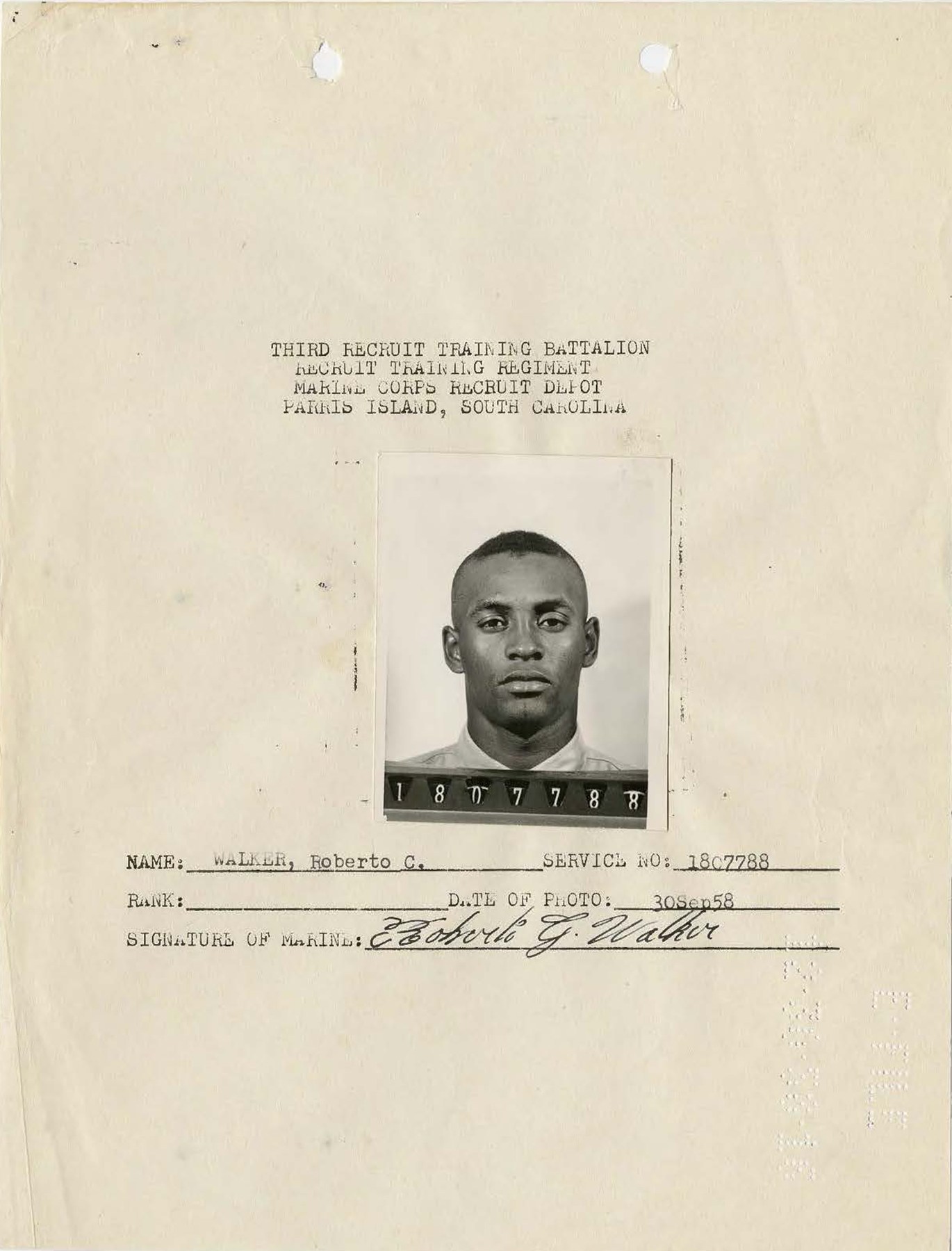
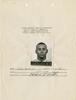
    Roberto Clemente was many things in his life: a right fielder for the Pittsburgh Pirates, a Marine, a proud Puerto Rican, and a notable humanitarian. During his off-seasons, Clemente served in the Marine Corps Reserve and mentored young ballplayers in Puerto Rico. He died in 1972 while delivering supplies to earthquake victims in Nicaragua. President Richard Nixon posthumously awarded him the Presidential Citizens Medal.

    Official Military Personnel File of Roberto C. Walker (Roberto Clemente), 1958–1964. Records of the U.S. Marine Corps

  • Baseball at Manzanar

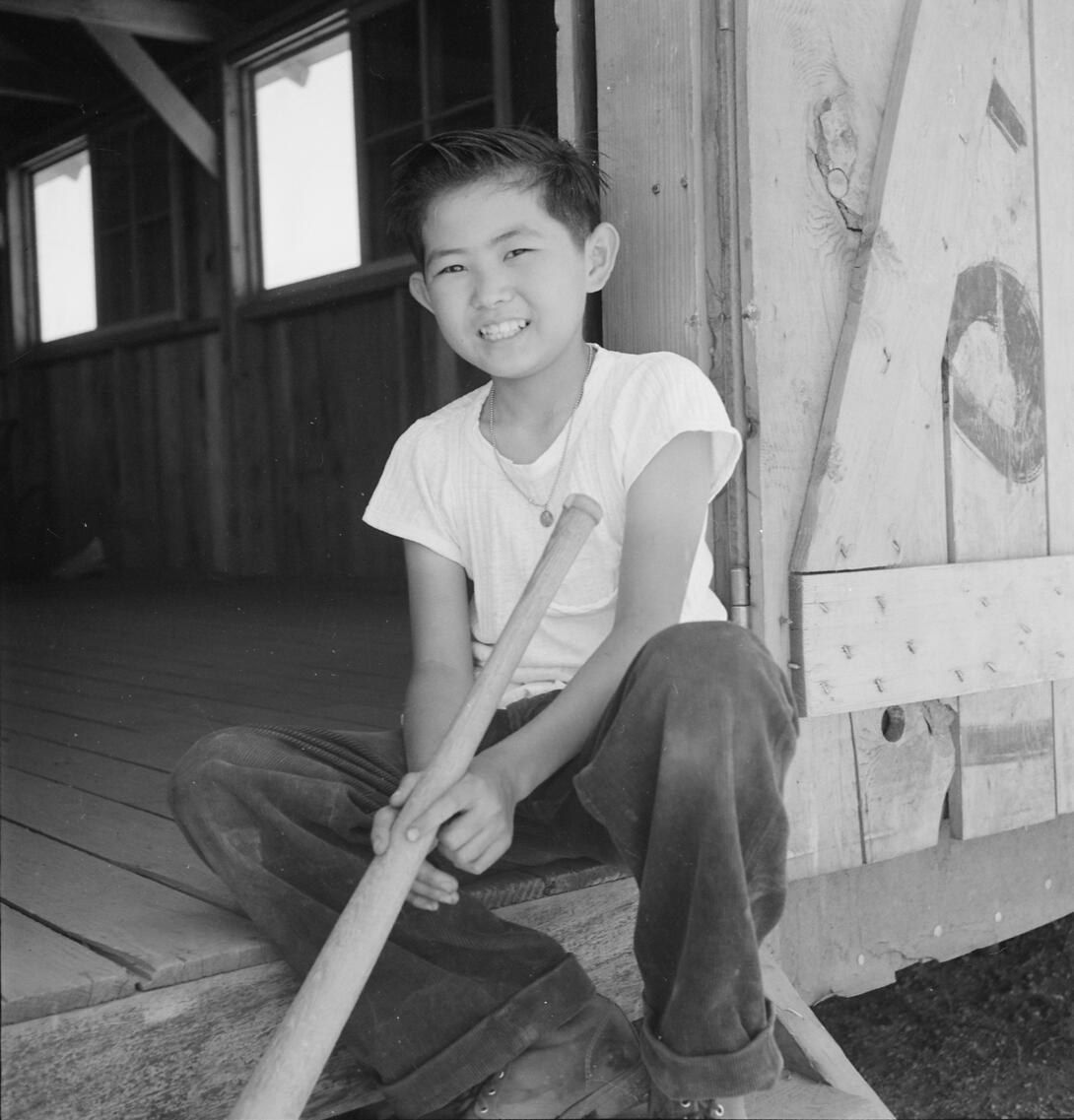
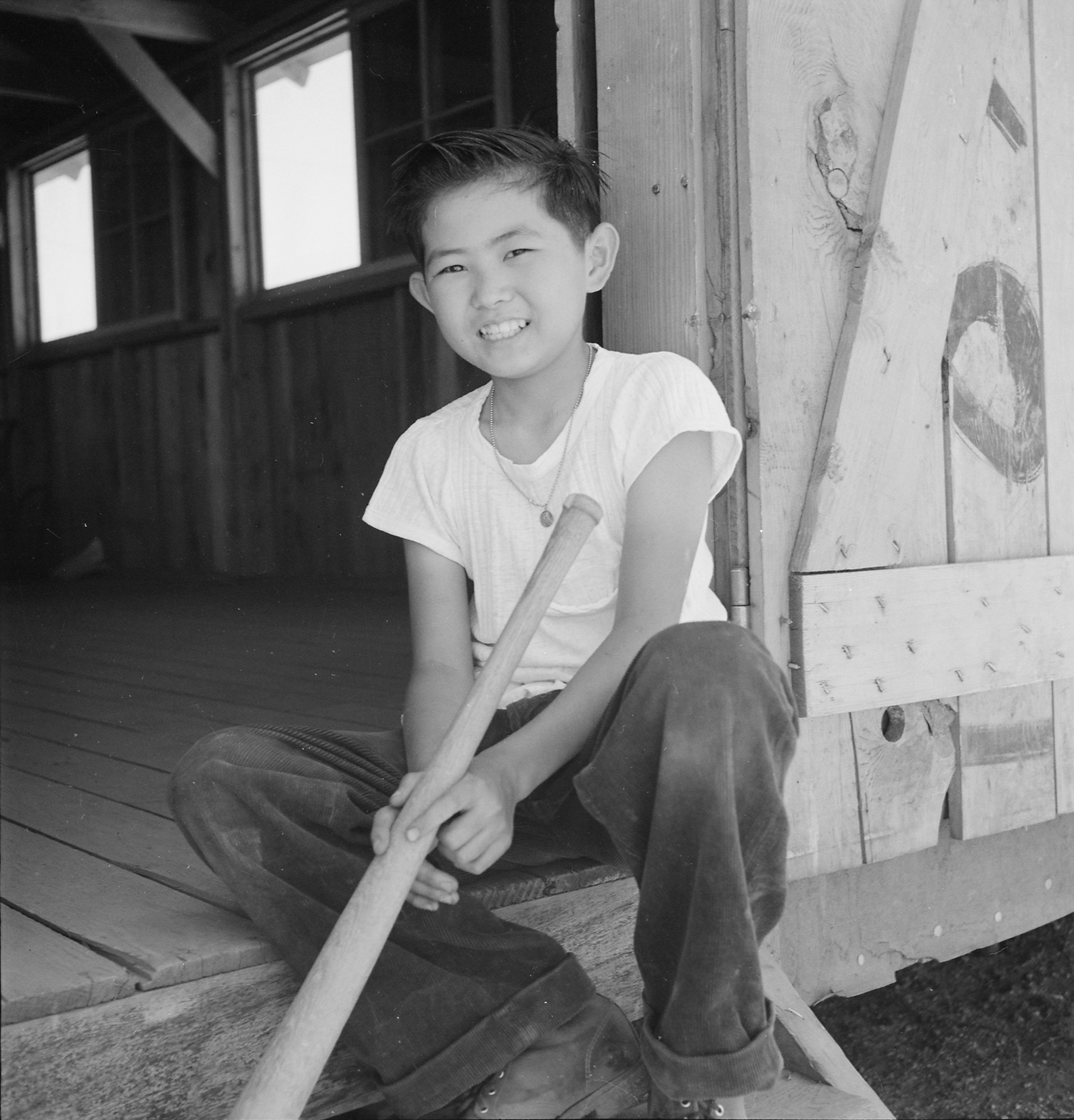
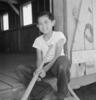
    Japanese Americans held at the Manzanar War Relocation Center in California during the 1940s turned to baseball. With scarce resources, they built baseball fields, gathered equipment, and sewed uniforms. Pick-up games quickly turned into organized leagues to accommodate the more than 11,000 people held there. 

    By 1945, Manzanar had 10 baseball and softball diamonds, and more than 120 teams playing year-round in 12 leagues. Games attracted thousands of spectators from the camp eager to watch the seasoned semi-pros. Baseball provided a rare opportunity for players to go beyond Manzanar’s fences and travel to other camps in Arizona and Wyoming to compete.

    Young baseball player at Manzanar Relocation Center, Manzanar, CA, 1942. Records of the War Relocation Authority

  • Keeping Score

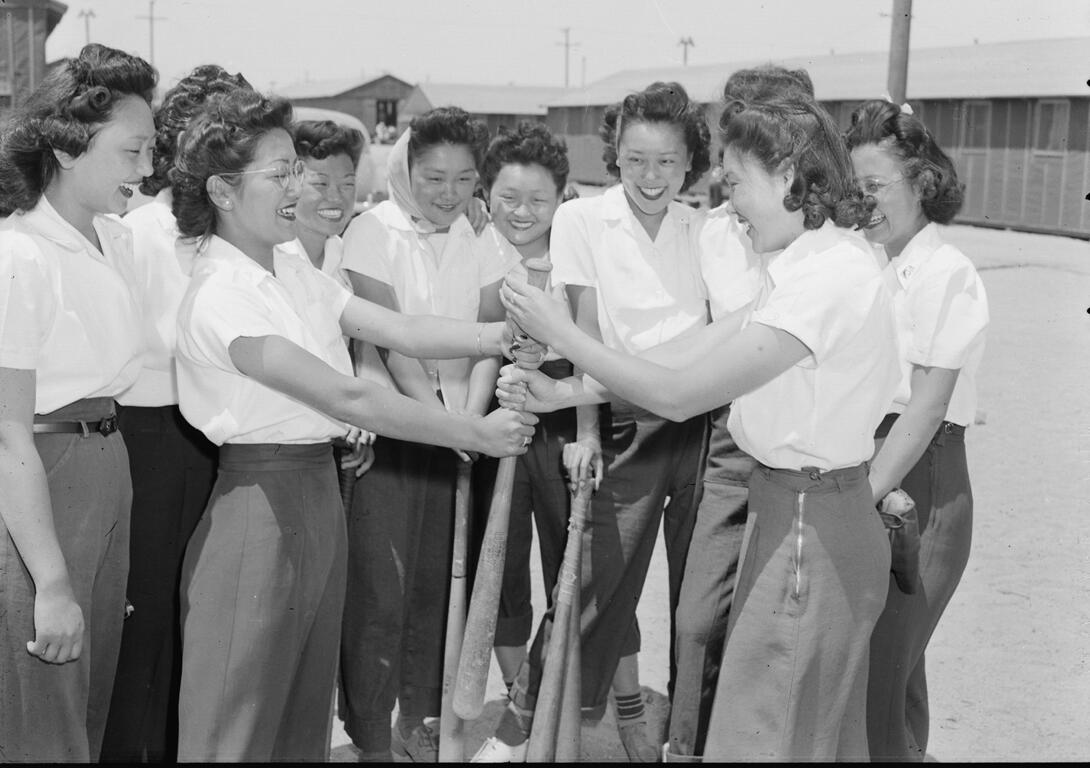
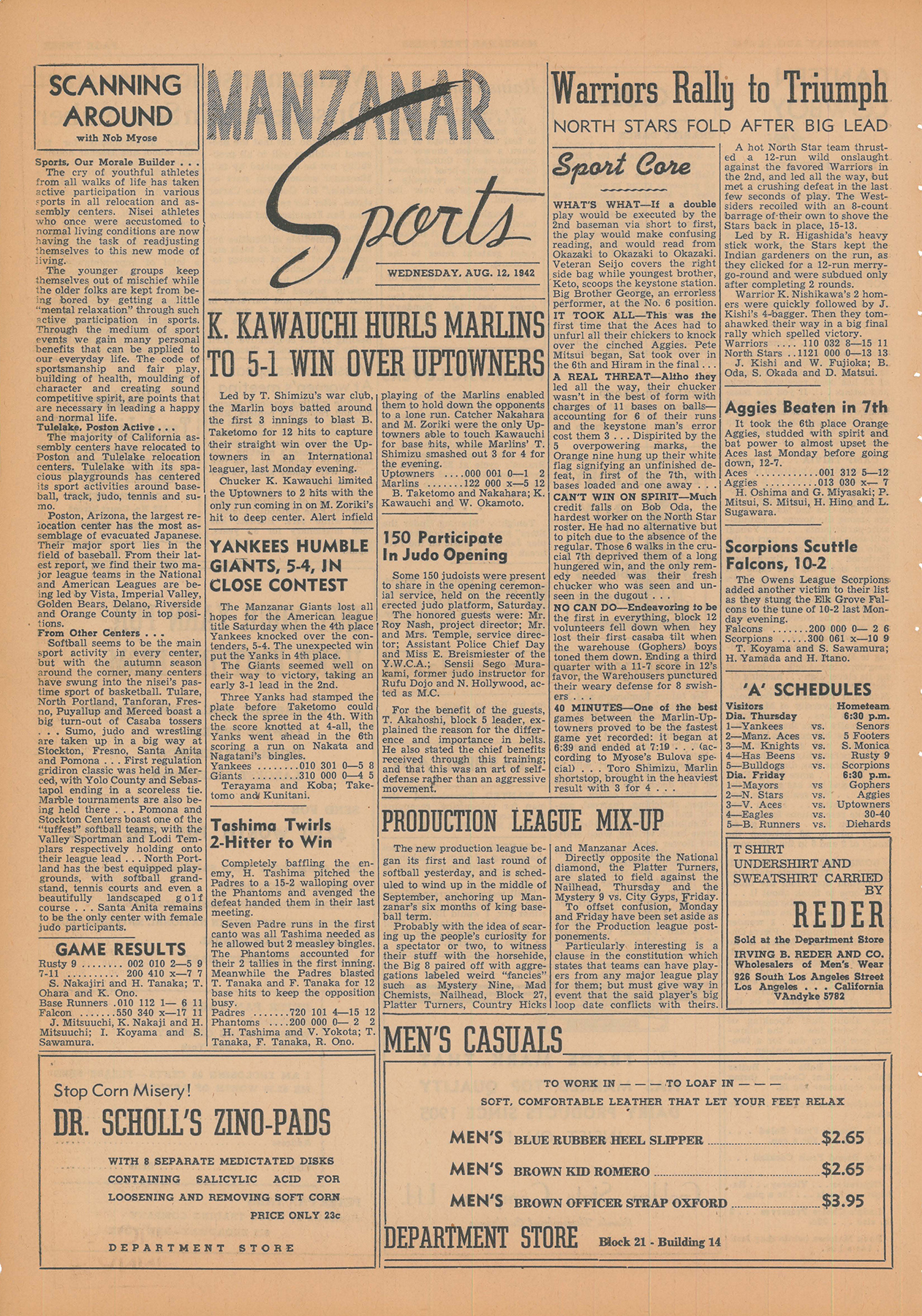
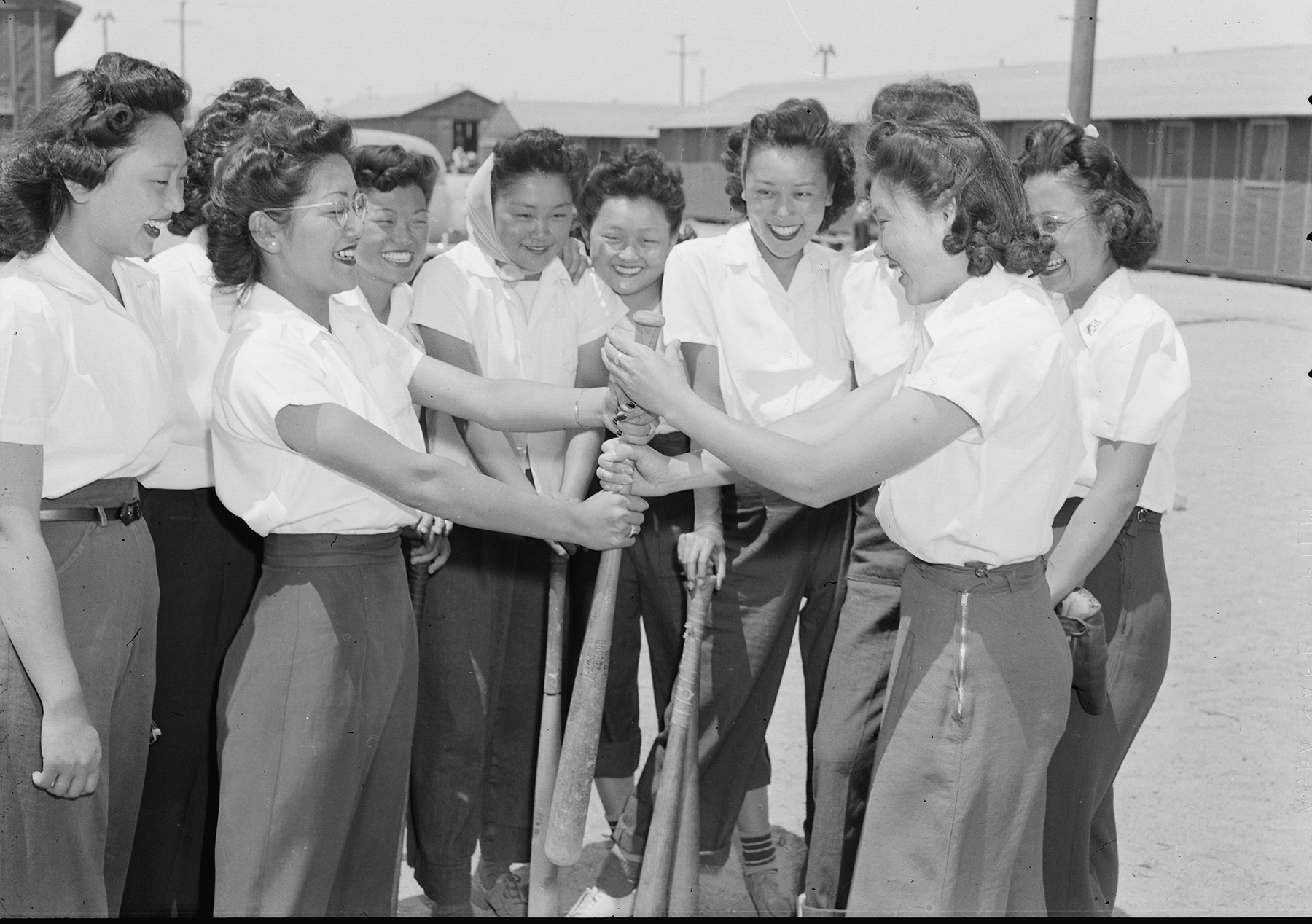
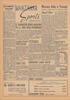
    The Manzanar Free Press, published by Japanese Americans held at Manzanar, regularly reported on league games. This issue from August 1942 shows that the Padres defeated the Phantoms, while the Manzanar Giants lost to the Yankees. A column also mentions the popularity of softball. The 14 women’s softball teams at Manzanar had powerhouse players like Rosie M. Kakuuchi of the Dusty Chicks.

    Manzanar Free Press, August 12, 1942. Records of the War Relocation Authority

  • Members of the Chick-a-dee soft ball team at Manzanar, 1942. Records of the War Relocation Authority

  • The 442 Regiment

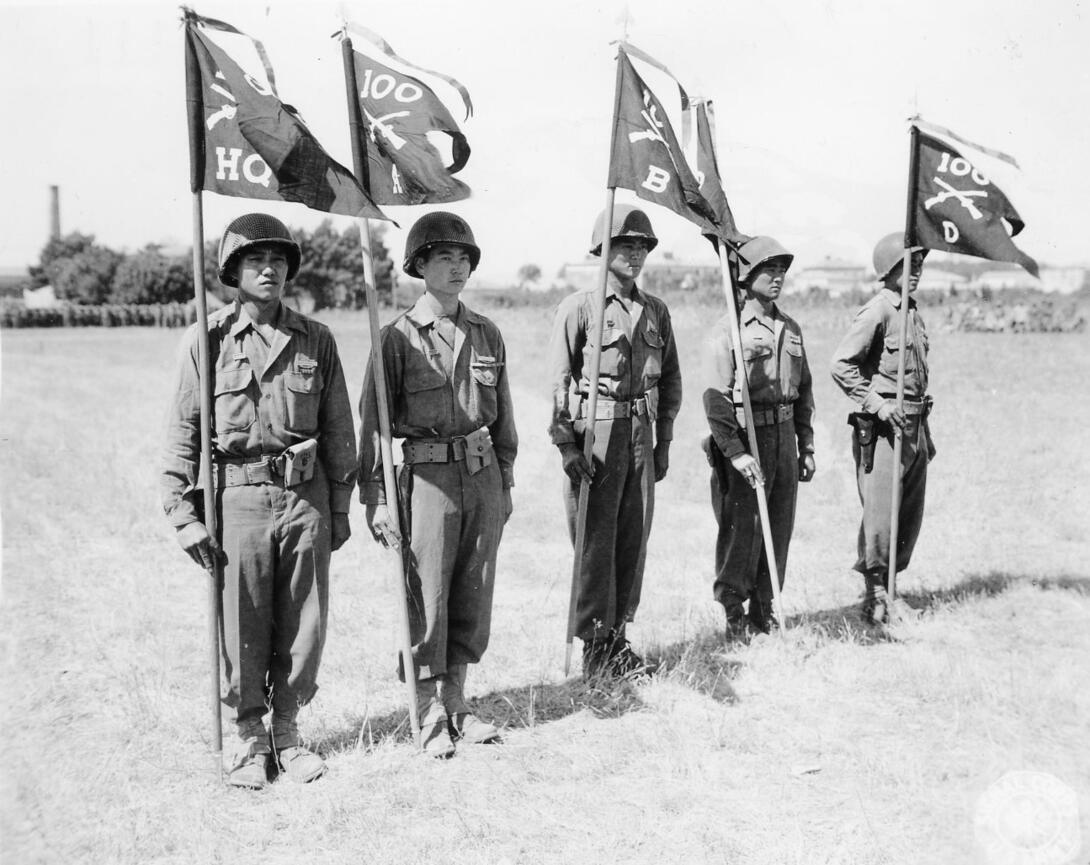
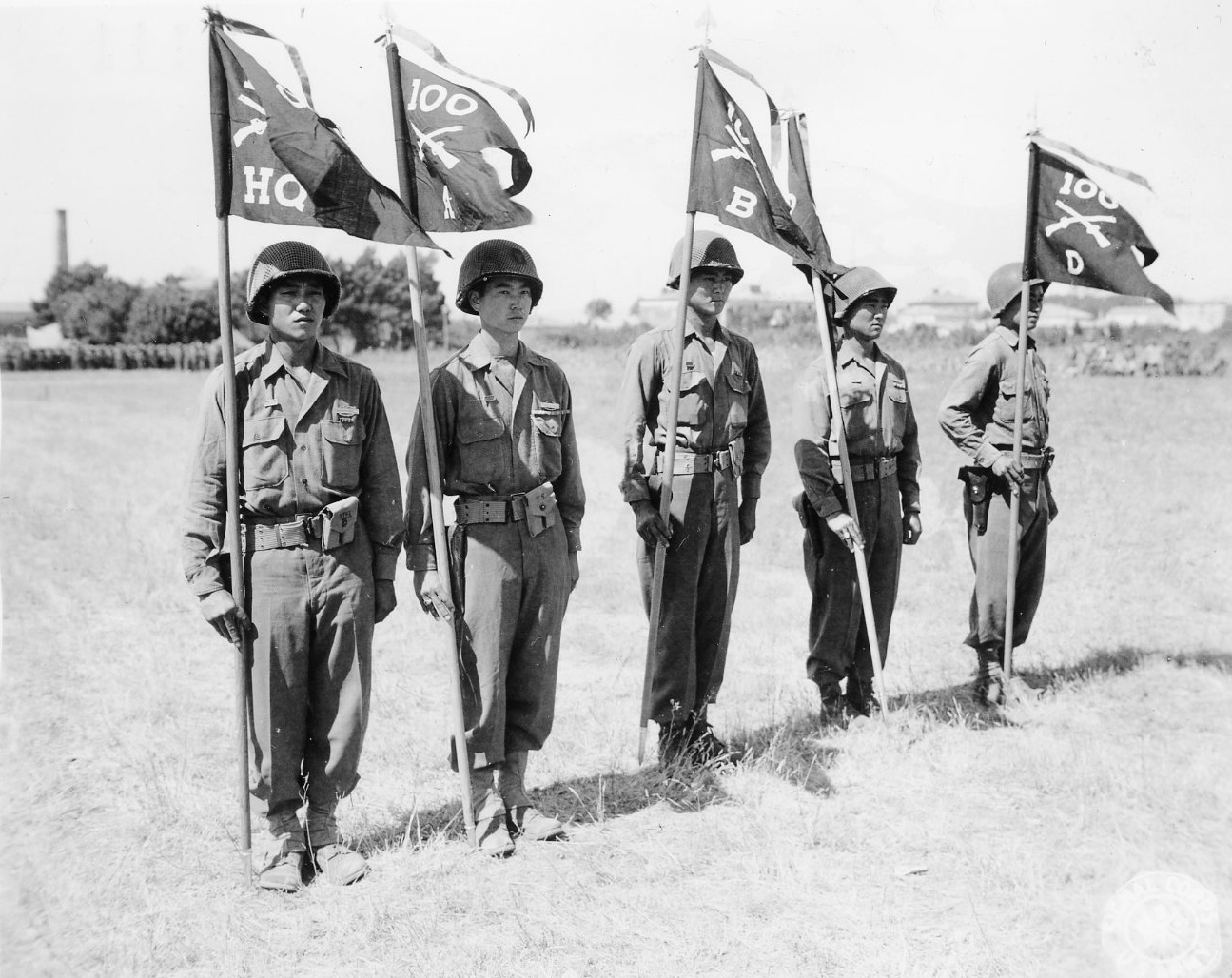
    The 442nd Regimental Combat Team is the most decorated unit for its size and length of service in U.S. military history and was composed of Japanese American volunteers, many of whom enlisted from Manzanar and other camps. Of the 14,000 men who served, some were baseball players like Masato “Mauch” Yamashita. The 442nd earned more than 4,000 Purple Hearts; more than 4,000 Bronze Stars; 29 Distinguished Service Crosses; and 588 Silver Stars.

    Japanese American soldiers flying battle streamers, 1944. Records of the Office of the Chief Signal Officer
  • Black and white image of three men playing baseball with a crowd behind.
  • Black and white document with black typed text and handwritten notes
    Color photograph of an autographed baseball
    Black and white photograph of women playing baseball with crowd behind.
  • Black and white photograph of men serving food in kitchen
    Tan typewritten form document with black ink
    Cream document with black typewritten text, handwritten signature, and photograph in center of page.
    Black and white photograph of young boy sitting in a doorway holding a baseball bat.
    Newspaper page with black text
    Black and white photograph of a group of women holding baseball bats
    Black and white photograph of five soldiers standing in a field holding battle streamers
DownloadShow Transcript