• The Road to Revolution
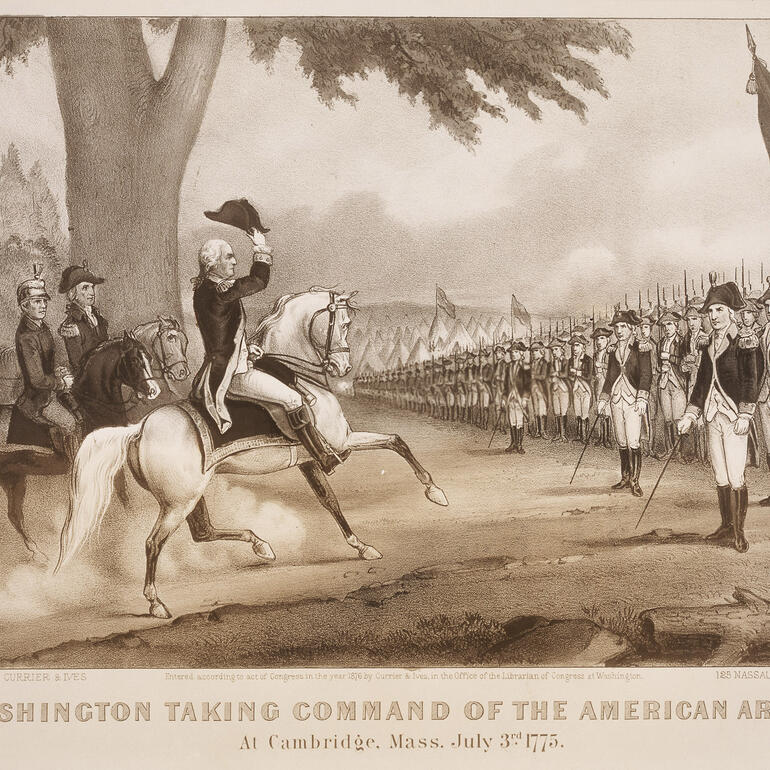
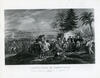
    Illustration of general on horse reviewing line of troops
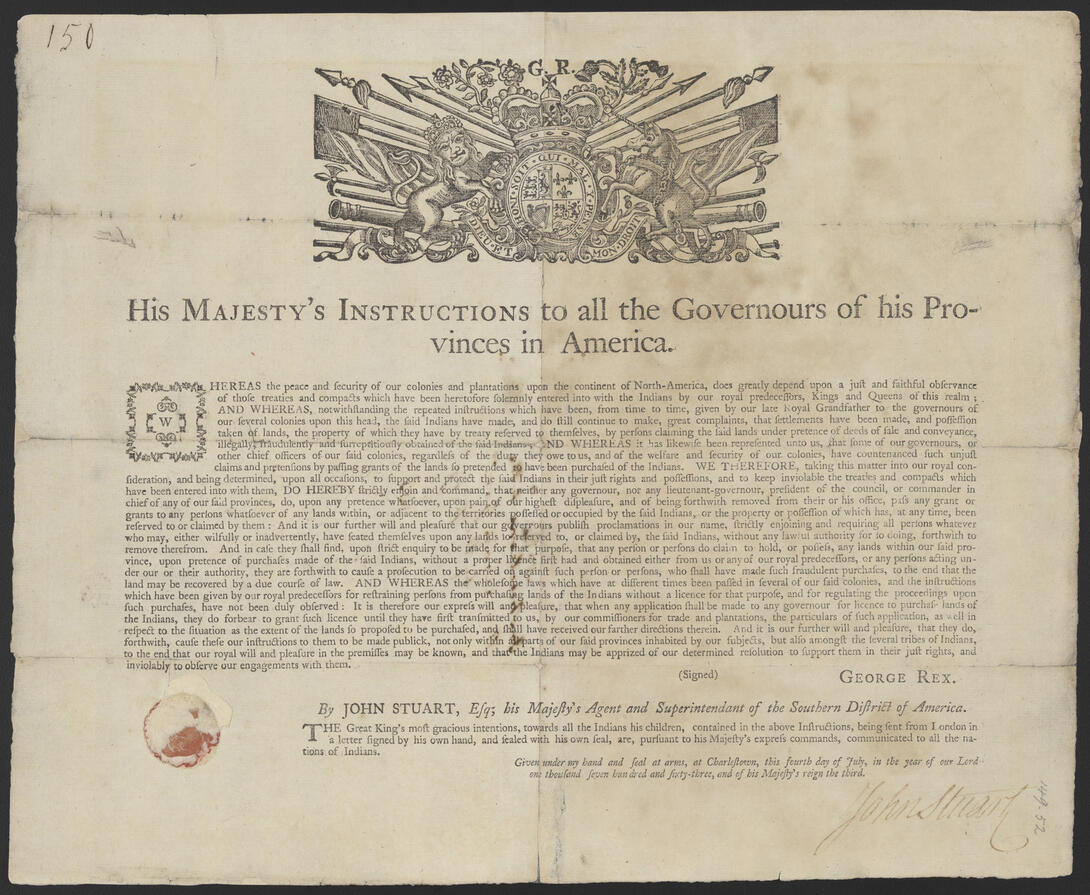
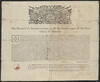
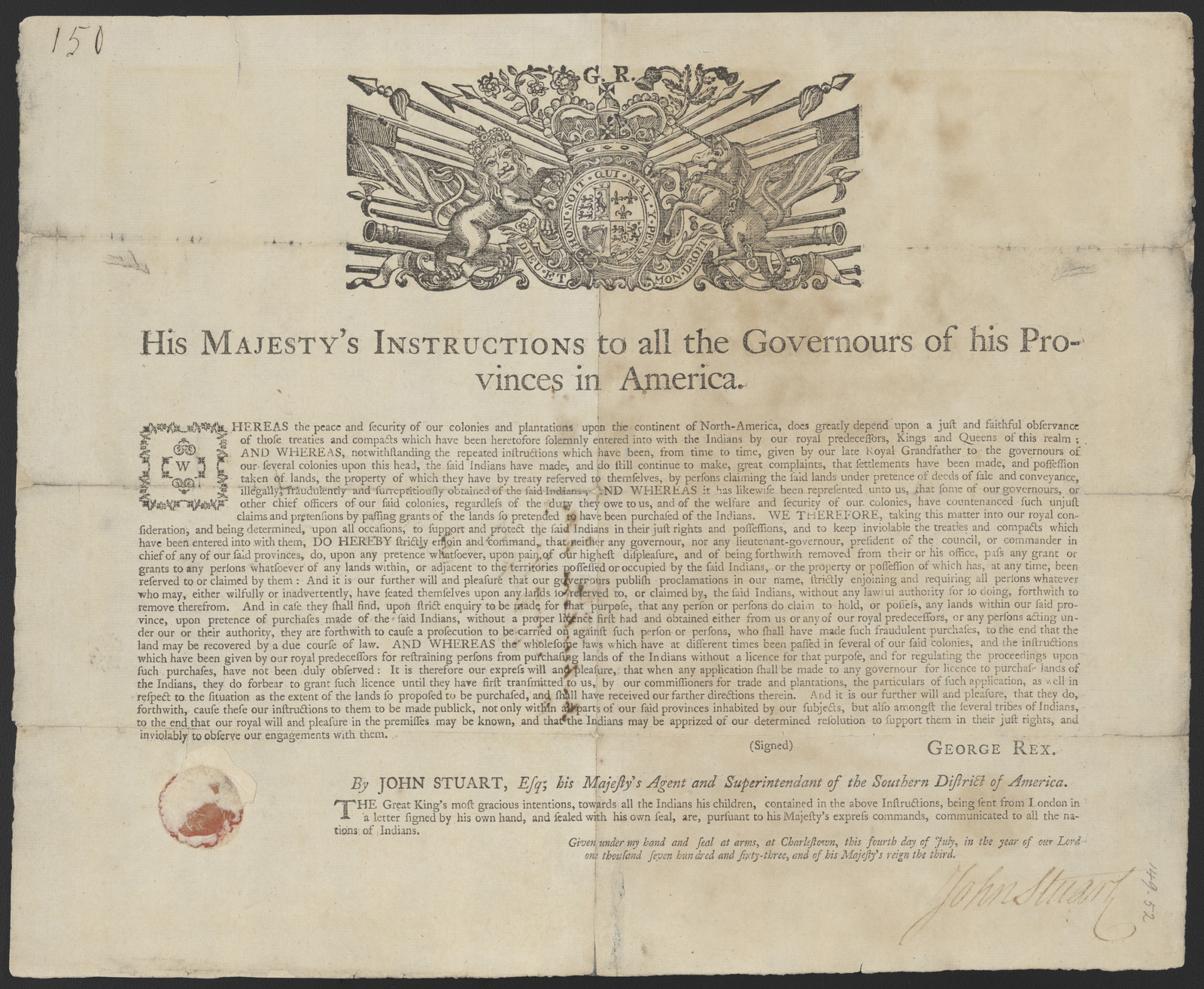
  • In 18th- and 19th-century America, large sheets of paper printed on one side and intended for announcements or proclamations were known as broadsides. Royal Indian Agent John Stuart sent this broadside to the Cherokee people. It explained the king’s plan to protect “Indians in their just rights and possessions.” Three months later, King George issued a royal proclamation that banned colonists from settling west of the Appalachian Mountains.

    Broadside of King George III’s “Instructions to all the Governours of his Provinces in America.” July 4, 1763.
    Records of the Continental and Confederation Cong...Read more

    Broadside of King George III’s “Instructions to all the Governours of his Provinces in America.” July 4, 1763.
    Records of the Continental and Confederation Congresses and the Constitutional Convention

    Read less
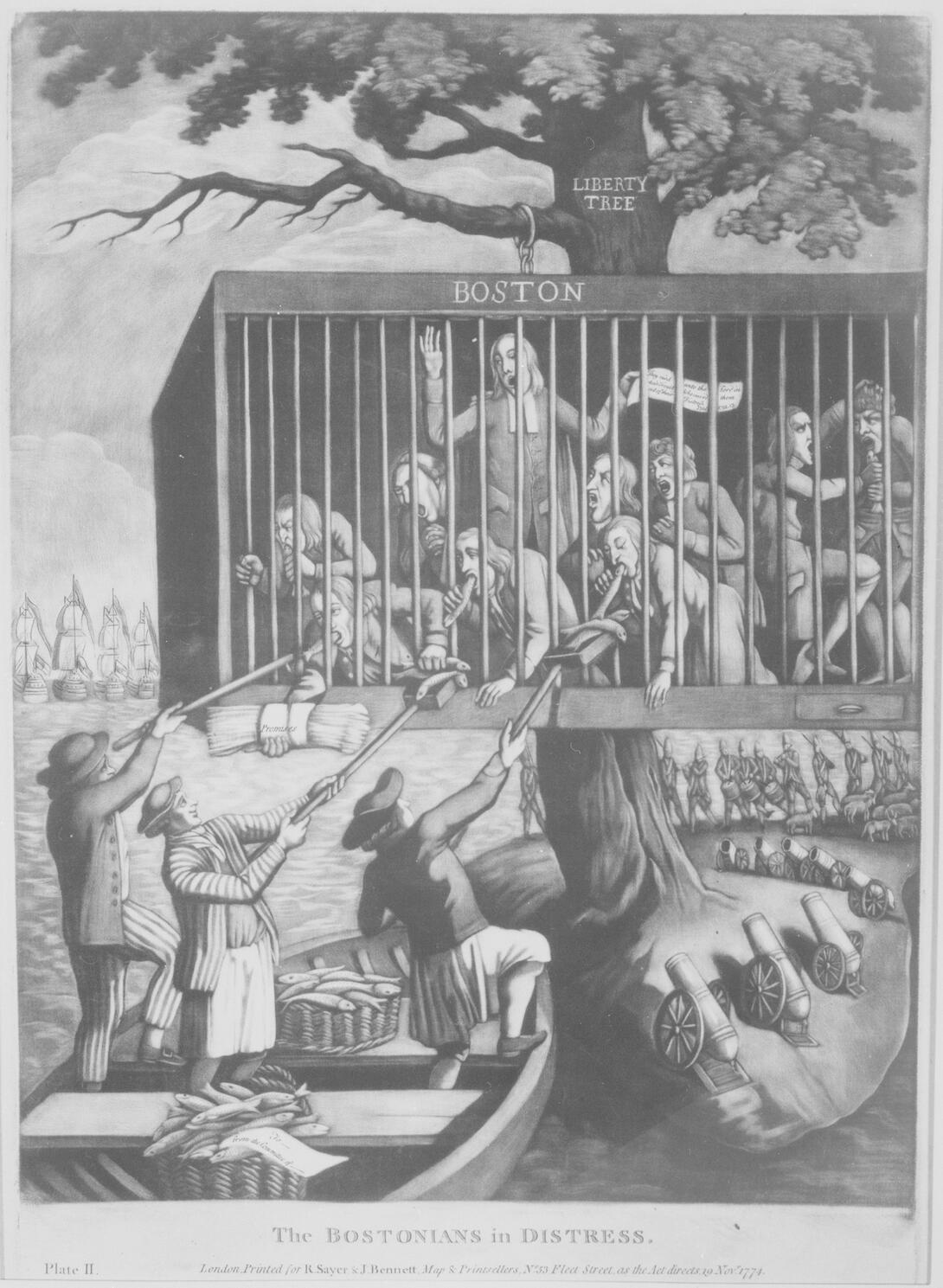
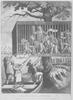
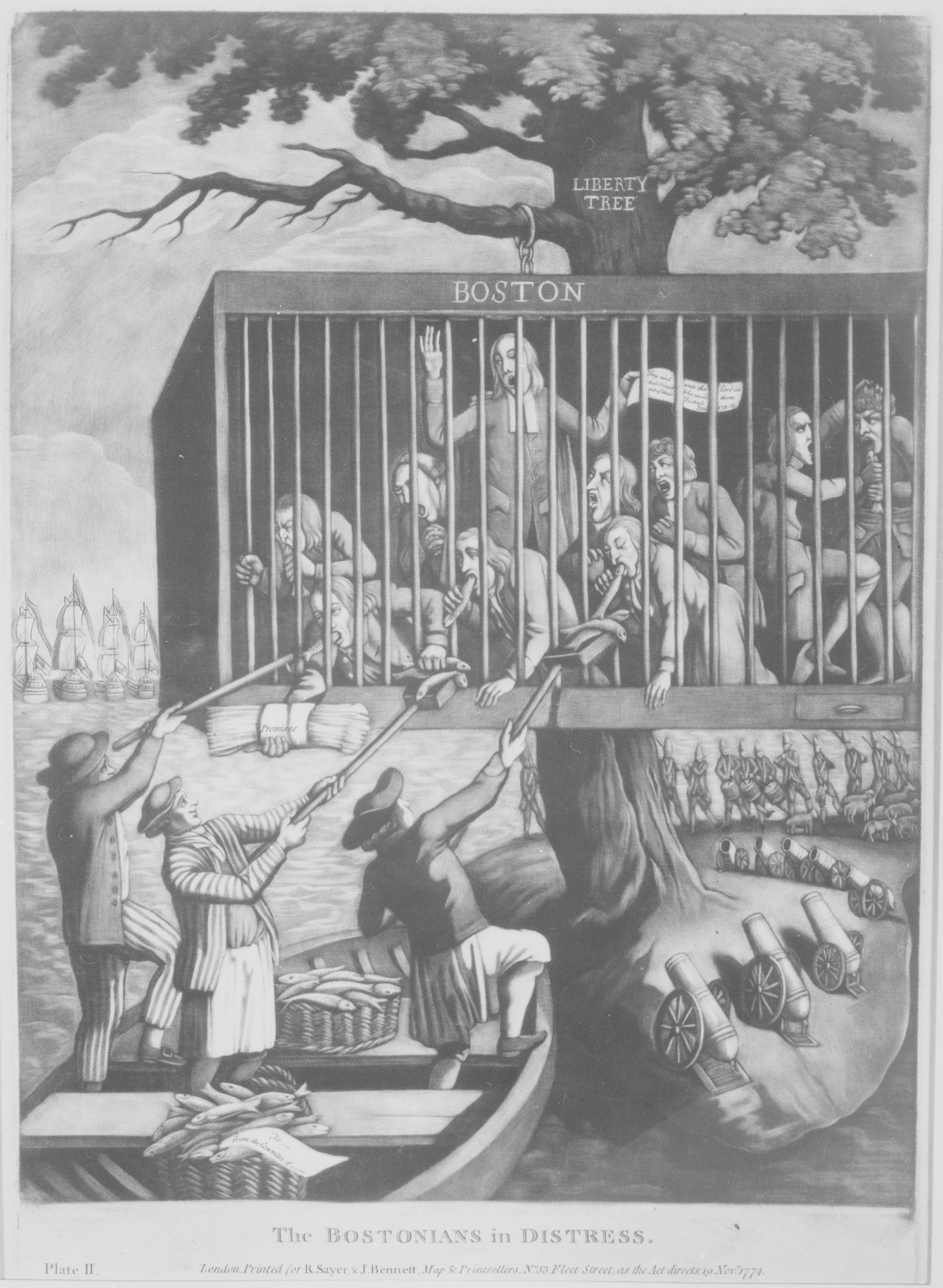
  • In May 1773, Parliament granted the East India Company full control over selling tea to the American colonies. In December, when three ships arrived at Boston carrying tea, many colonists led by the Sons of Liberty demanded that they return to England. A standoff ensued until December 16 when hundreds of colonists boarded the ships and dumped 92,000 pounds of tea into the harbor.

    The sailors in this political cartoon represent the colonies coming to the aid of Bostonians suffering under Parliament’s Coercive Acts. Copy of "The Boston...Read more

    The sailors in this political cartoon represent the colonies coming to the aid of Bostonians suffering under Parliament’s Coercive Acts. Copy of "The Bostonians in Distress" mezzotint attributed to Philip Dawe, 1774
    Records of Commissions of the Legislative Branch

    Read less
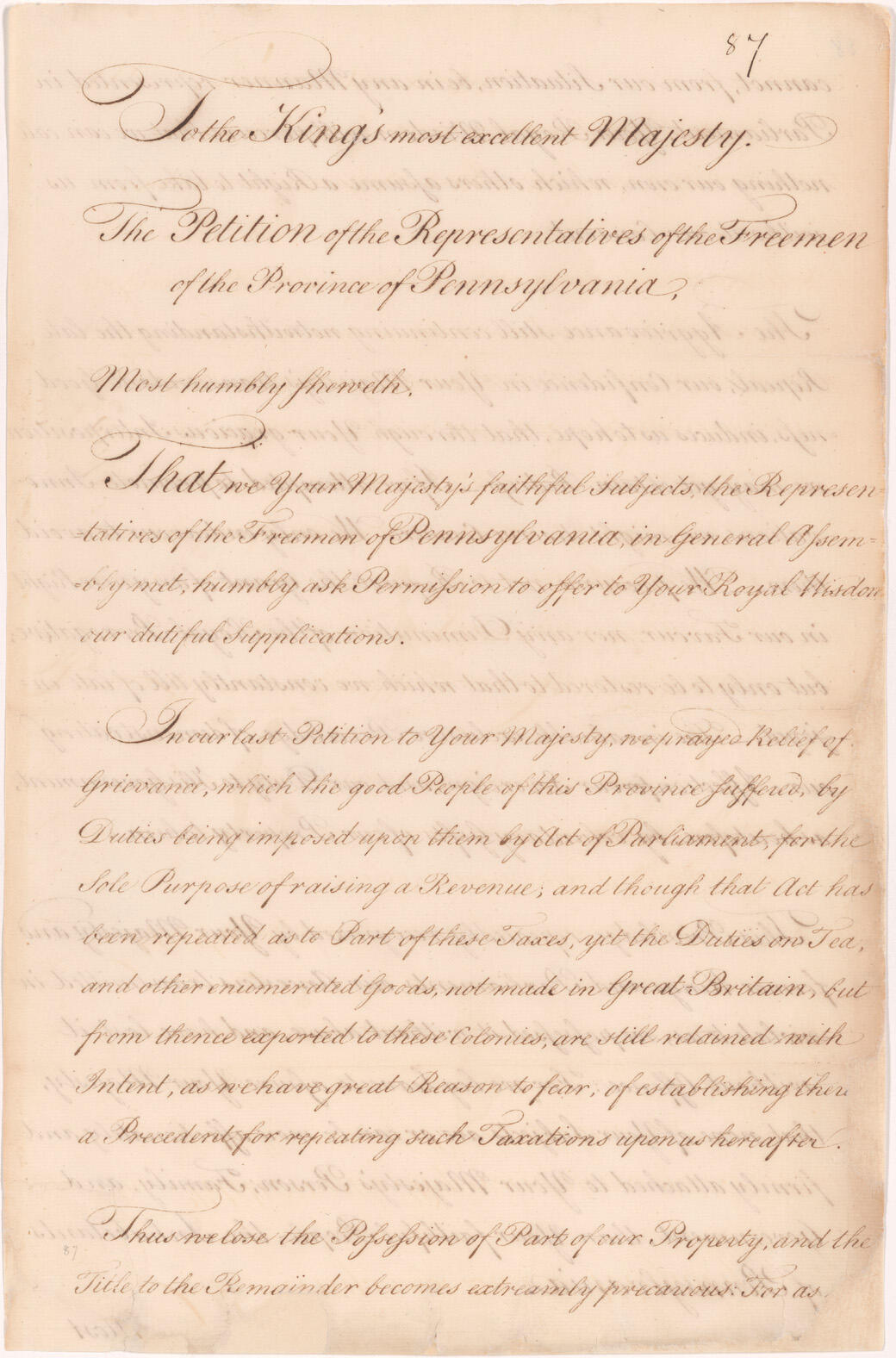
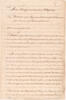
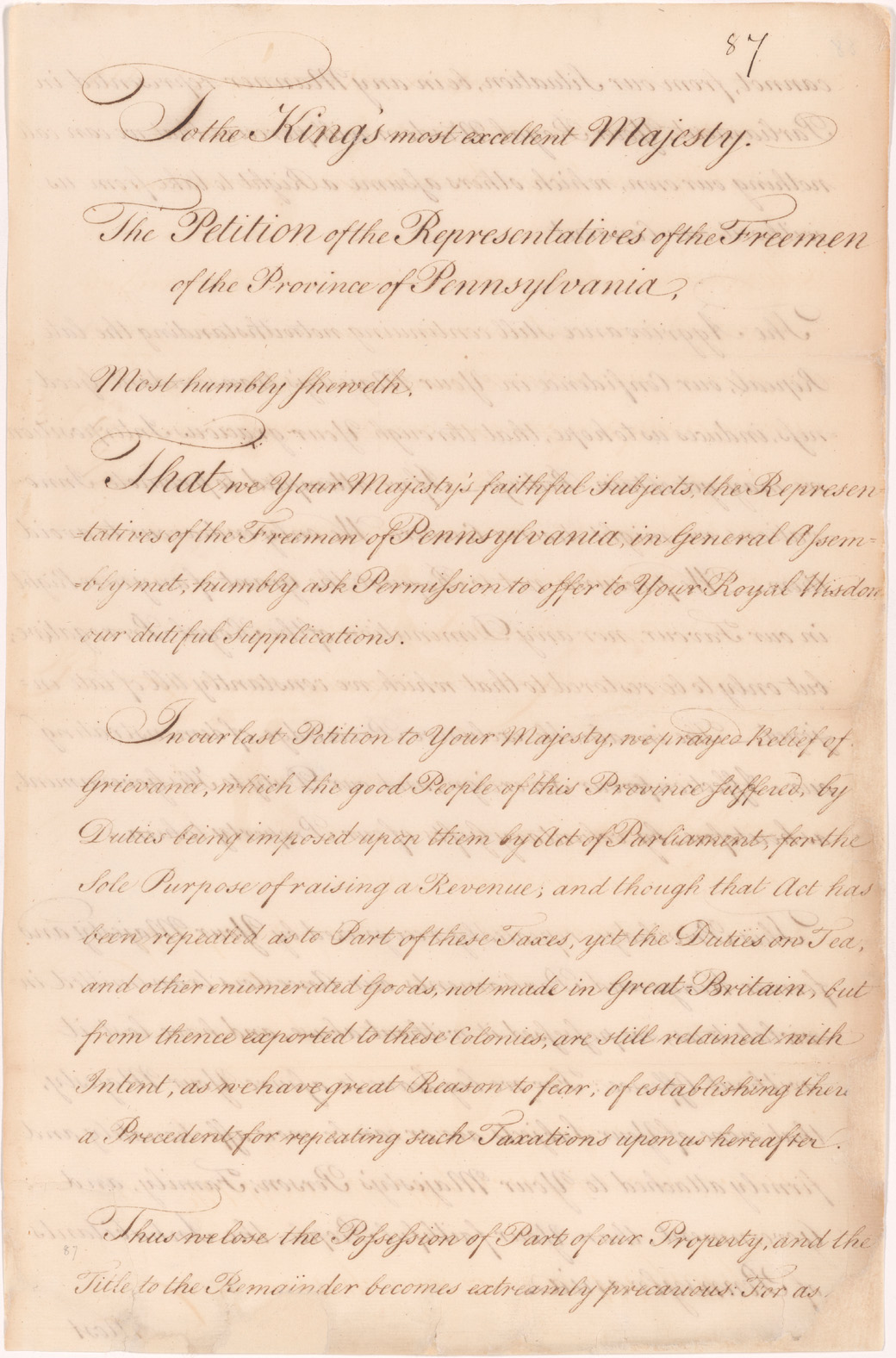
  • In protest, colonists stopped buying British goods, which forced Parliament to remove most of the taxes. However, the tax on tea stayed. The Pennsylvania Assembly petitioned the King to step in and remedy the situation with Parliament, but they did not repeal the tax on tea. This led a group of Bostonians to dump tea into the harbor in an act of protest in what became known as the Boston Tea Party.

    Petition of the Pennsylvania Provincial Assembly to the King of England, March 5, 1771 
    Records of the Continental and Confederation Congresses and the Con...Read more

    Petition of the Pennsylvania Provincial Assembly to the King of England, March 5, 1771 
    Records of the Continental and Confederation Congresses and the Constitutional Convention

    Read less
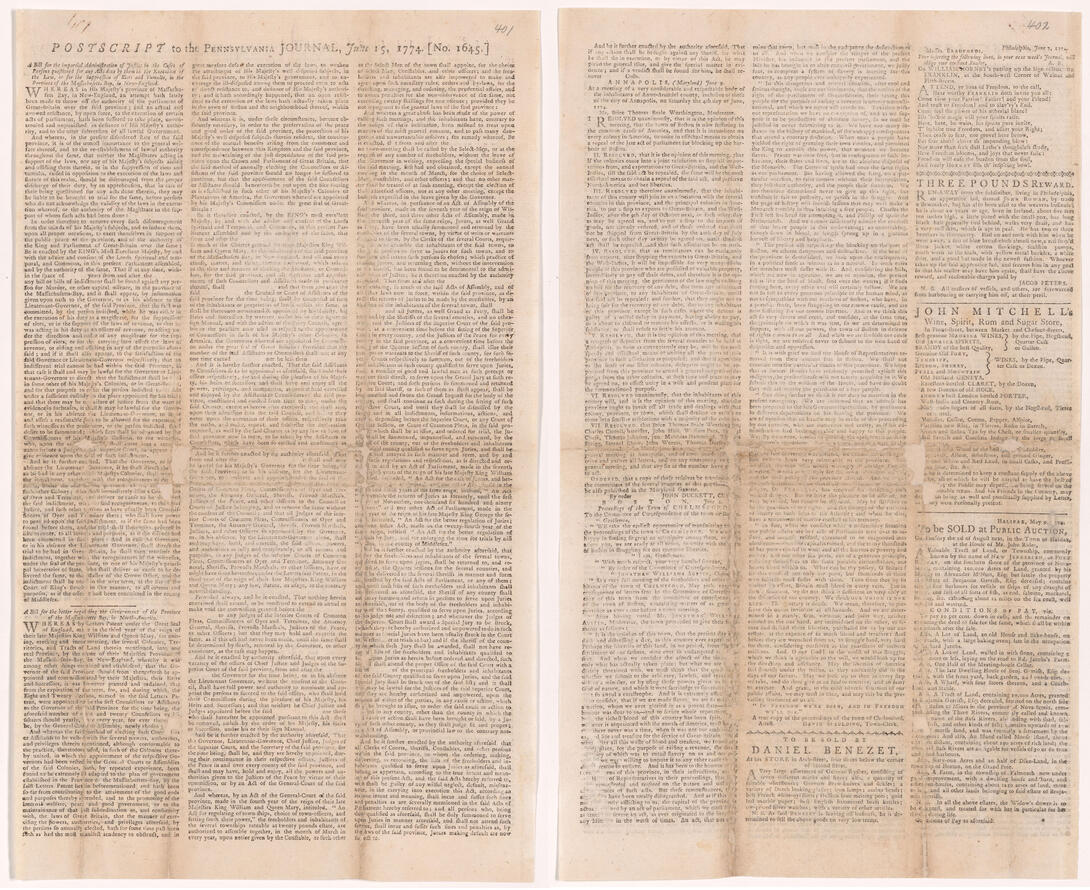
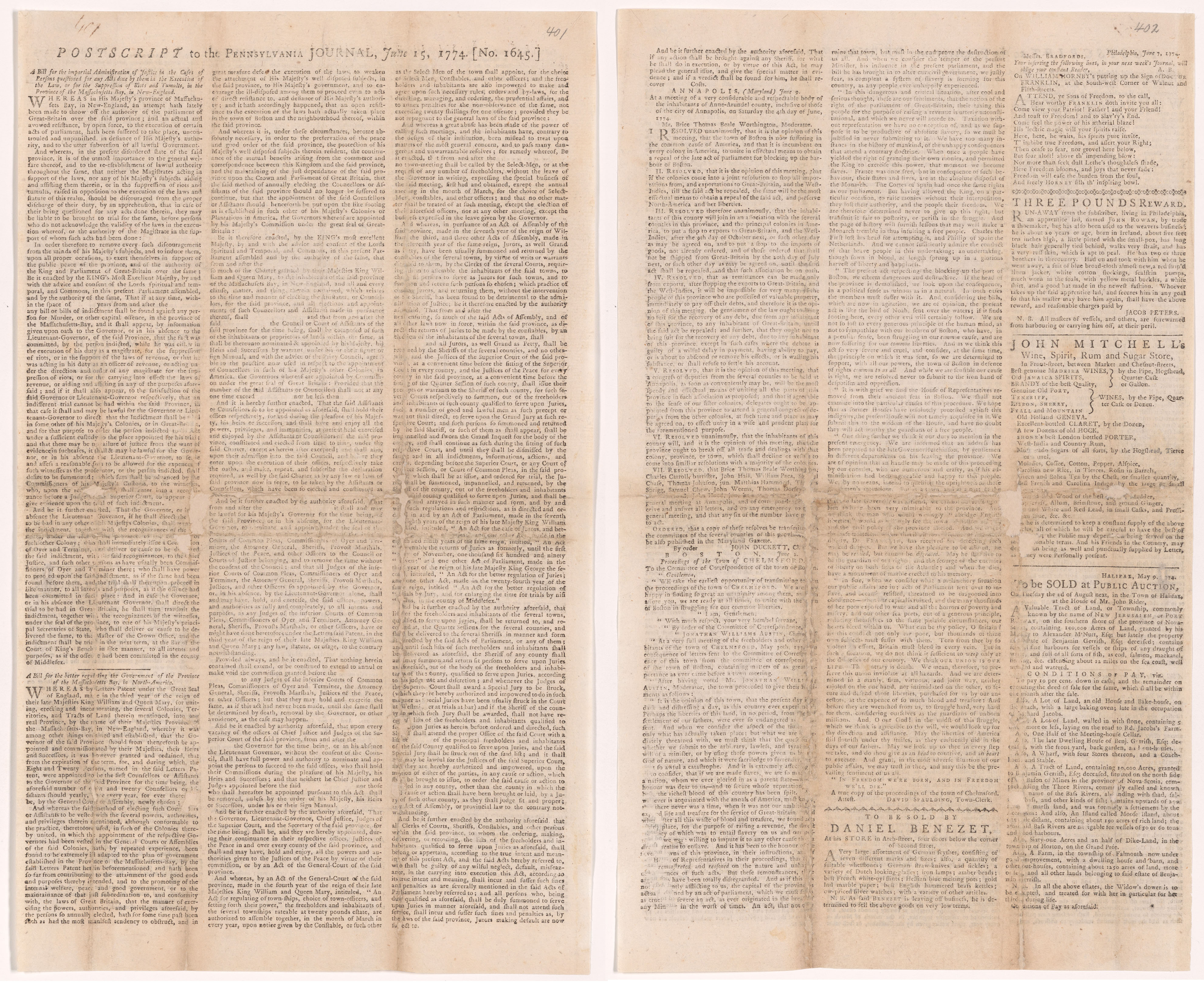
  • To punish the colonists for the Boston Tea Party, Parliament passed the Coercive Acts in 1774, also known as the Intolerable Acts. The Pennsylvania Journal published the text of the acts, which closed Boston Harbor and placed Massachusetts under direct royal control. These acts further united Americans in a common cause. It also reported on the resulting reactions in Annapolis, MD, and Chelmsford, MA. 

    Pennsylvania Journal publishing two of the Coercive Acts, June 15, 1774
    Records of the Continental and Confederation Congresses and the Constitutional Conventio...Read more

    Pennsylvania Journal publishing two of the Coercive Acts, June 15, 1774
    Records of the Continental and Confederation Congresses and the Constitutional Convention

    Read less
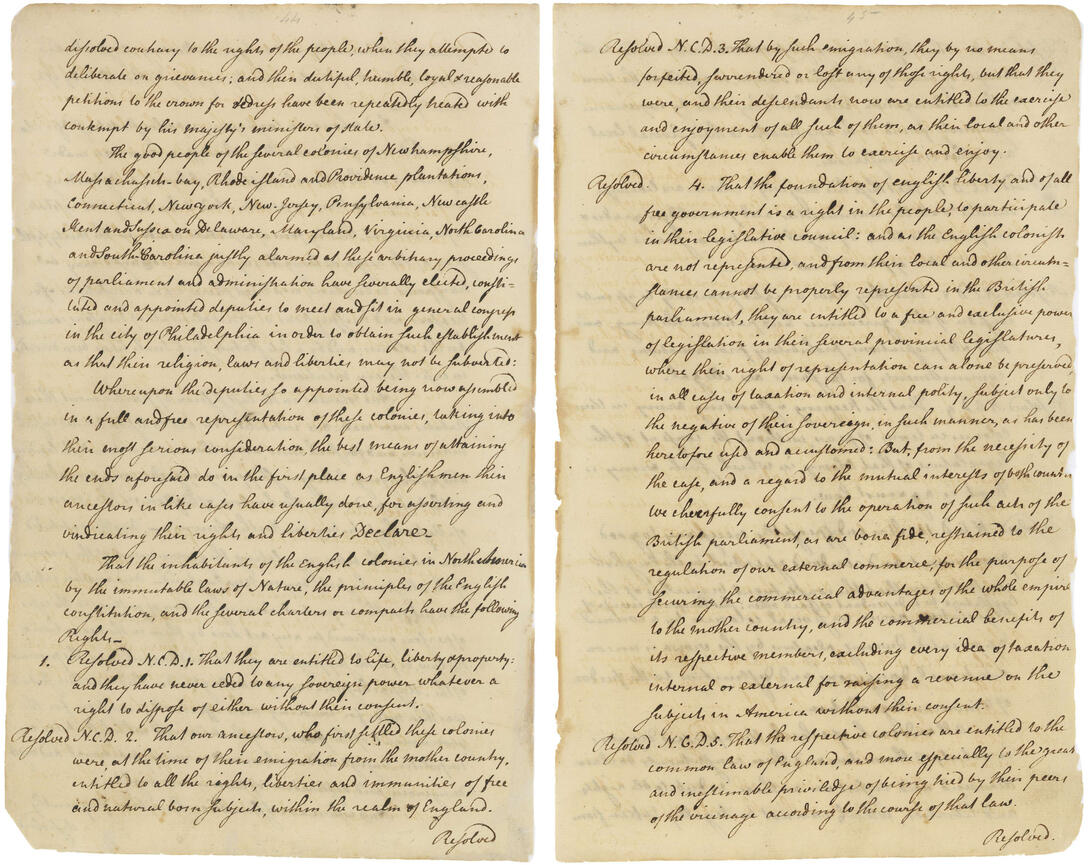
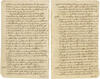
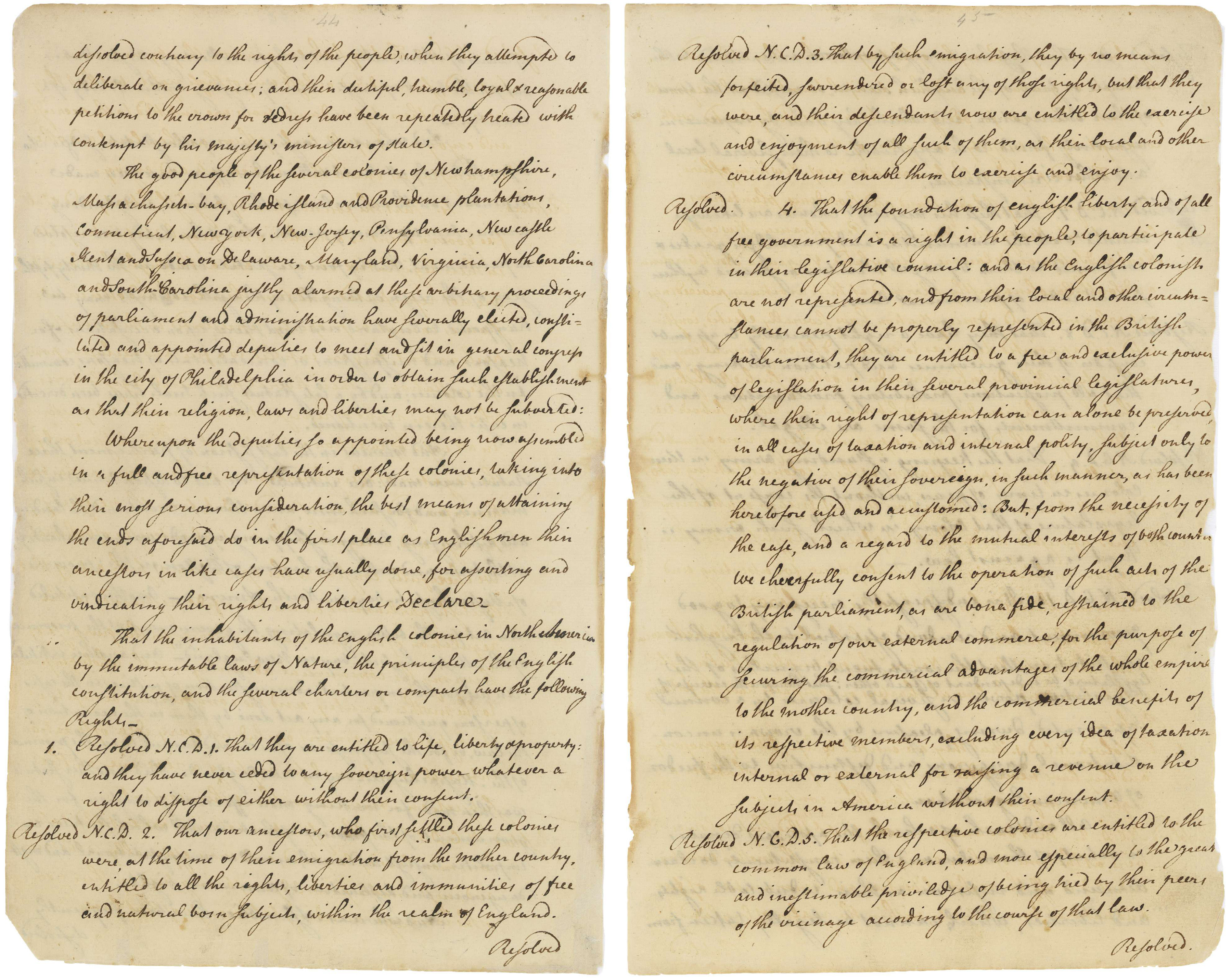
  • In response to the Intolerable Acts, delegates at the First Continental Congress agreed on a number of resolutions, or “resolves,” that asserted the colonists’ rights and defended their resistance to British rule. The document was formally titled the Declaration of Rights and Resolves of the First Continental Congress, but was also known as the Declaration of Colonial Rights.

    Rough Journals of the First Continental Congress, Declaration and Resolves, October 14, 1774
    Records of the Continental and Confederation Congresse...Read more

    Rough Journals of the First Continental Congress, Declaration and Resolves, October 14, 1774
    Records of the Continental and Confederation Congresses and the Constitutional Convention

    Read less
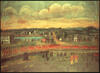
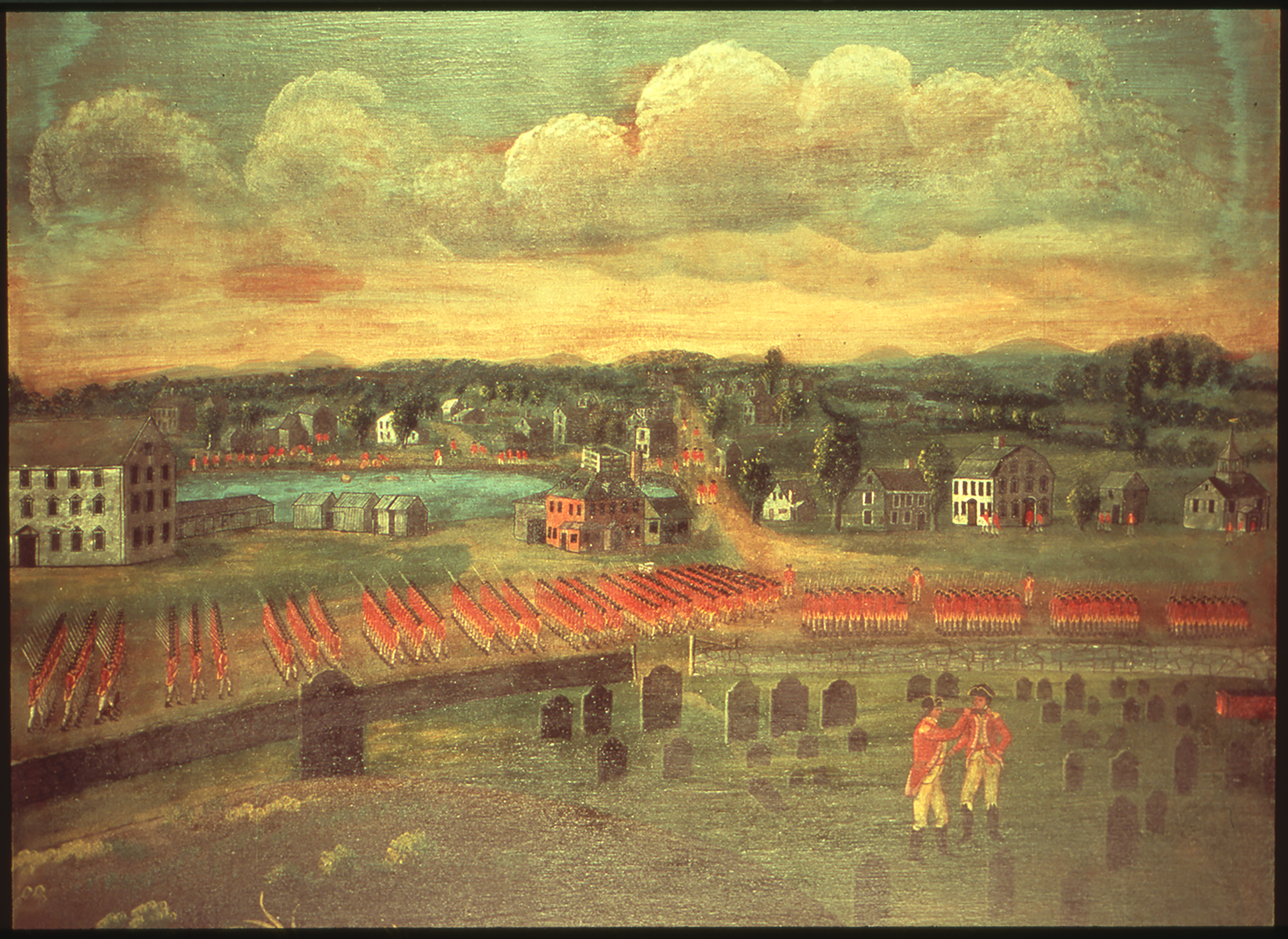
  • In the spring of 1775, about 10,000 British soldiers were stationed in and around Boston. Tensions grew as colonists kept protesting the Intolerable Acts. The governor’s spy network reported that colonial militias were stockpiling weapons and ammunition at a farm in Concord, about 25 miles west of Boston. On April 19, 1775, about 700 British soldiers marched through Lexington on their way to Concord. On Lexington Green, there was a brief skirmish with about 100 militiamen. A few hours later, they reached Concord’s North Bridge and encountered several hundred militiamen. The American Revolution began when someone fired what was later called “the shot heard ‘round the world.”

    Photograph of painting A View of the Town of Concord, April 19, 1775 by Timothy Martin Minot, ca. 1825. Records o...Read more

    Photograph of painting A View of the Town of Concord, April 19, 1775 by Timothy Martin Minot, ca. 1825. Records of the U.S. Information Agency

    Read less
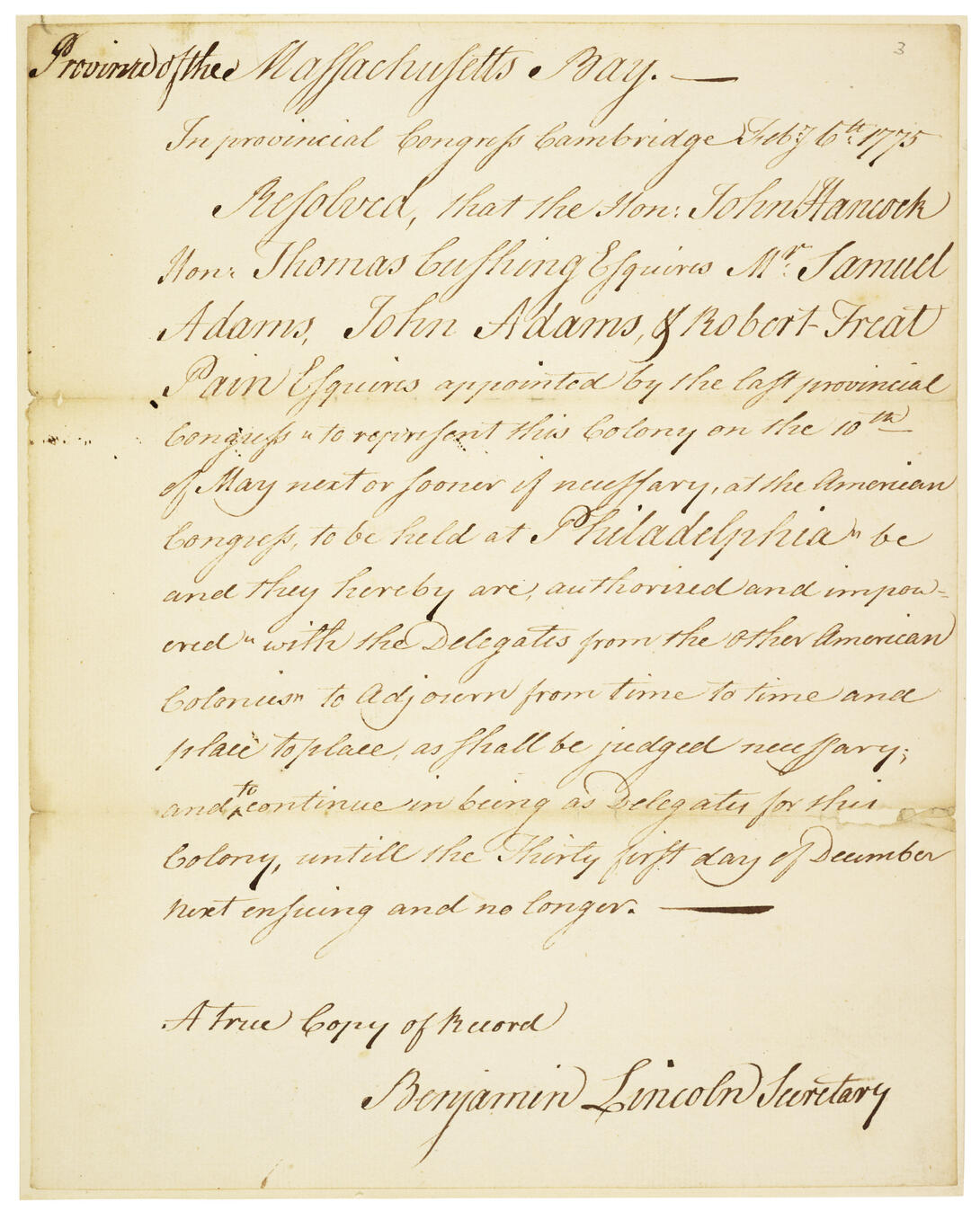
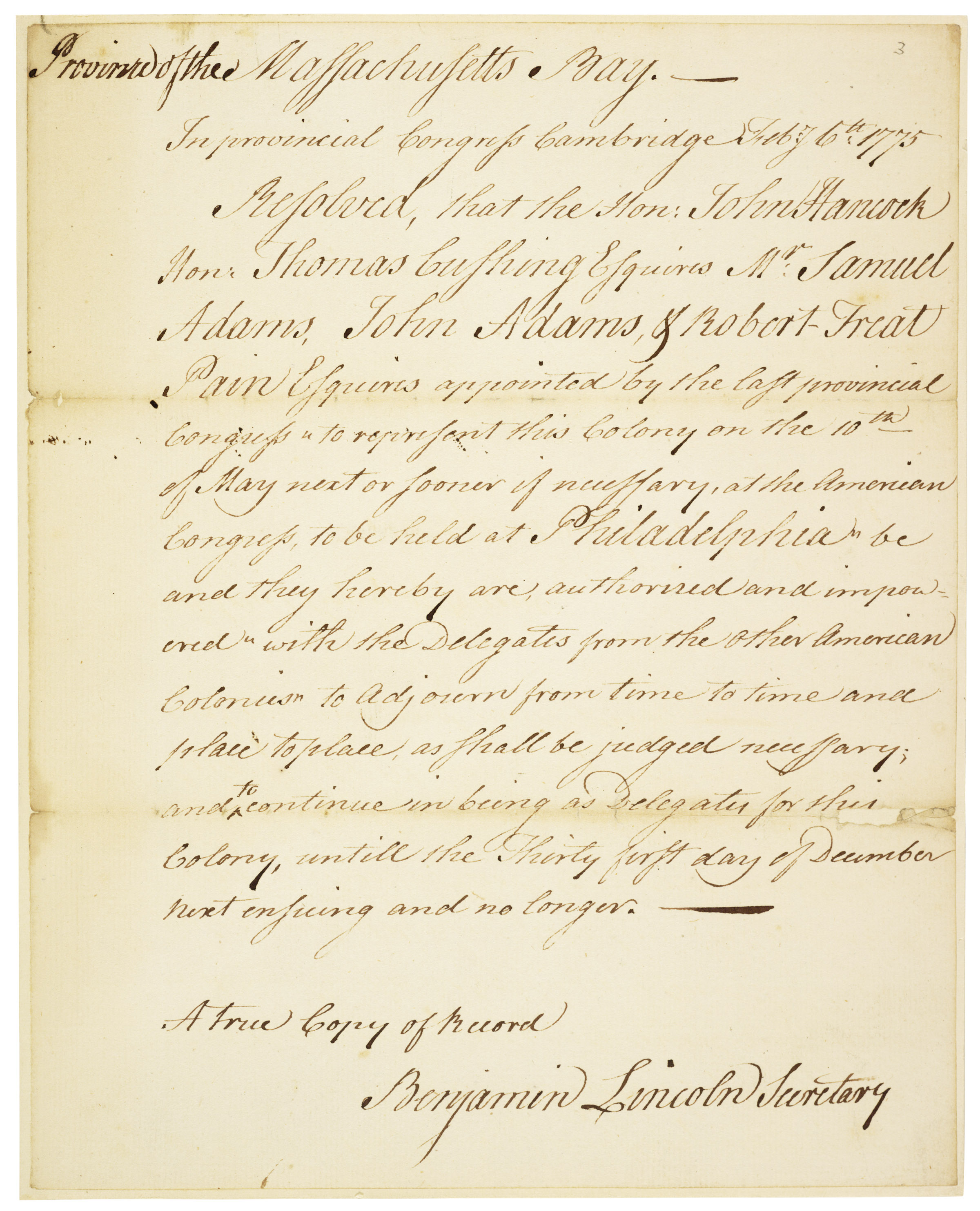
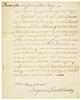
  • Delegates to the Continental Congress were primarily chosen by colonial legislatures or conventions. To confirm their official status, they were issued documents known as credentials. On February 6, 1775, the Massachusetts Provincial Congress issued credentials to John Hancock, Thomas Cushing, Samuel Adams, John Adams, and Robert Treat Paine.

    Credentials of Massachusetts Delegates to the Second Continental Congress, February 6, 1775. Records of the Continental and Confederati...Read more

    Credentials of Massachusetts Delegates to the Second Continental Congress, February 6, 1775. Records of the Continental and Confederation Congresses and the Constitutional Convention

    Read less
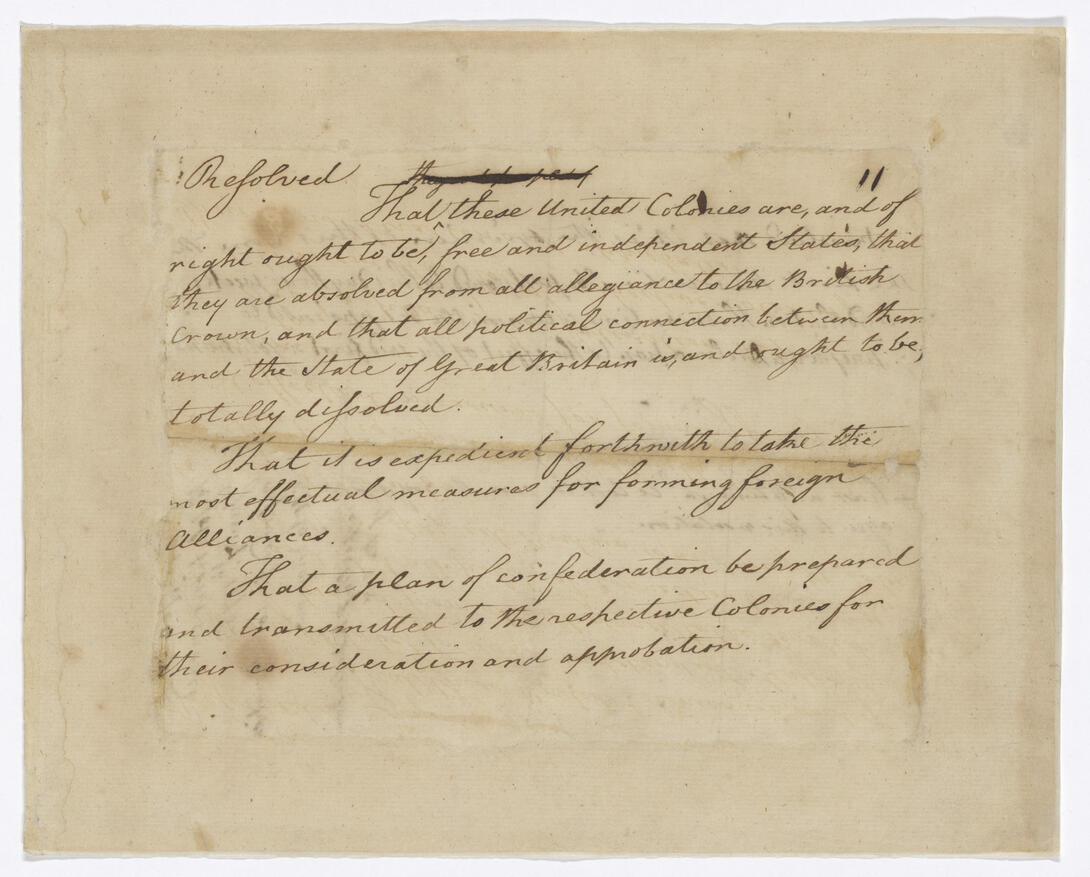
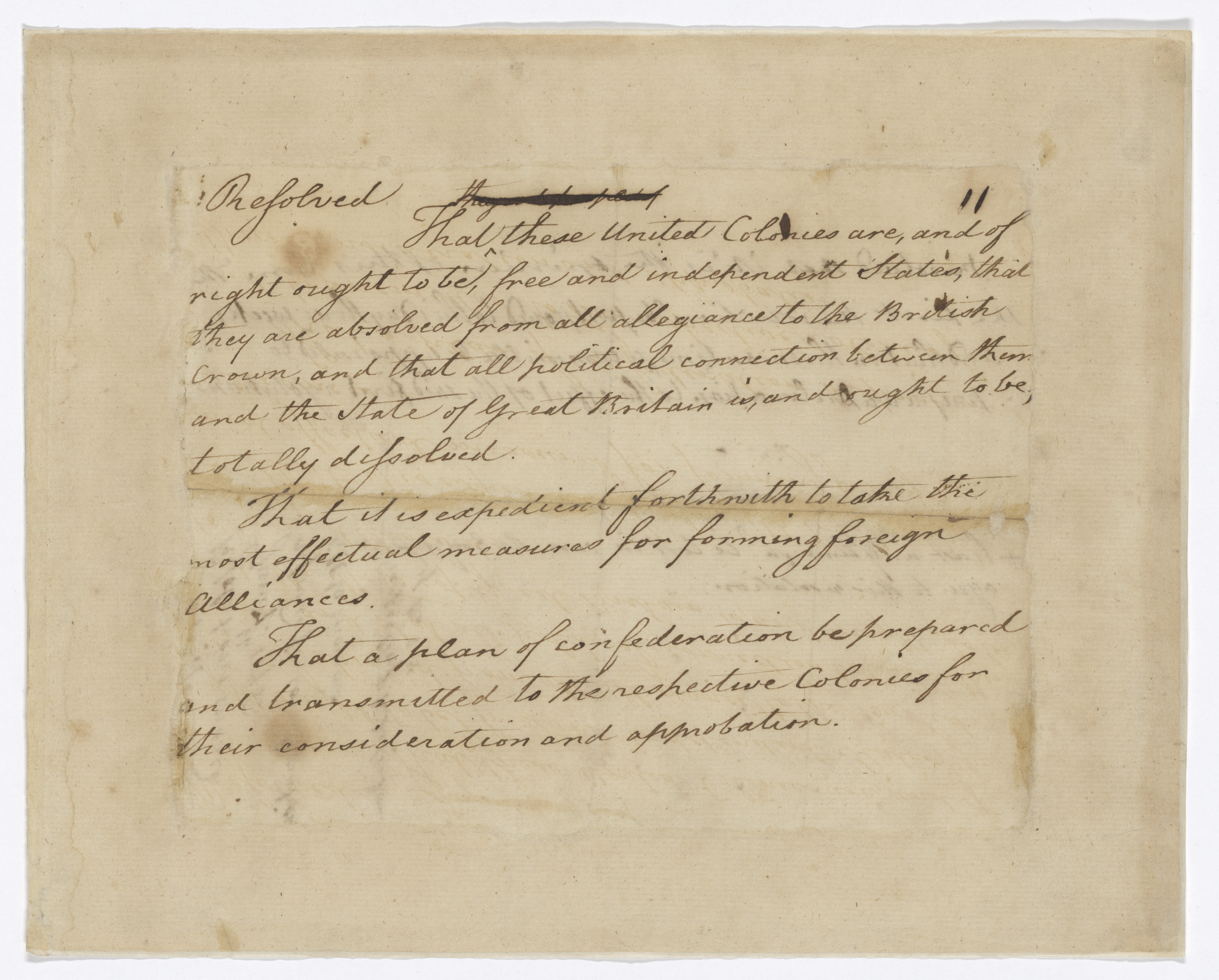
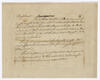
  • On June 7, 1776, in Philadelphia, while some delegates hesitated and others hoped to make peace with the King, Richard Henry Lee shocked everyone by proposing a resolution declaring independence: "That these united colonies are, and of right ought to be, free and independent States, that they are absolved from all allegiance to the British crown, and that all political connection between them and the state of Great Britain is, and ought to be, totally dissolved."

    Lee’s Resolution had three parts: a declaration of independence, a call to seek foreign alliances, and a plan for a confederation. On July 2, 1776, Congress adopted the first part of Lee’s Resolution; two days later, it adopted the Declaration of Independence.

    Lee Resolution, June 7, 1776. Records of the Continental and Confederation Congresses and the Constitutional Convention

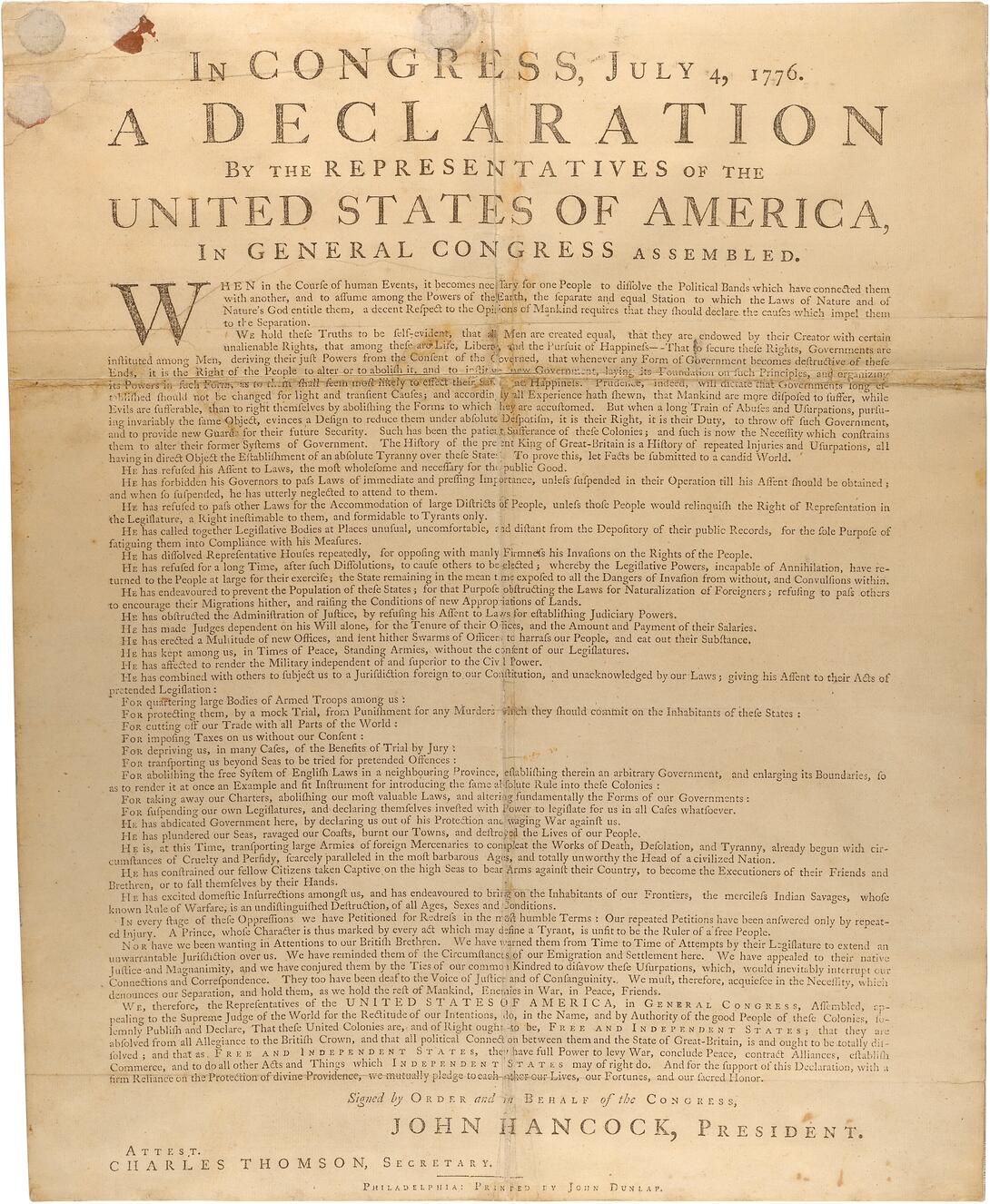
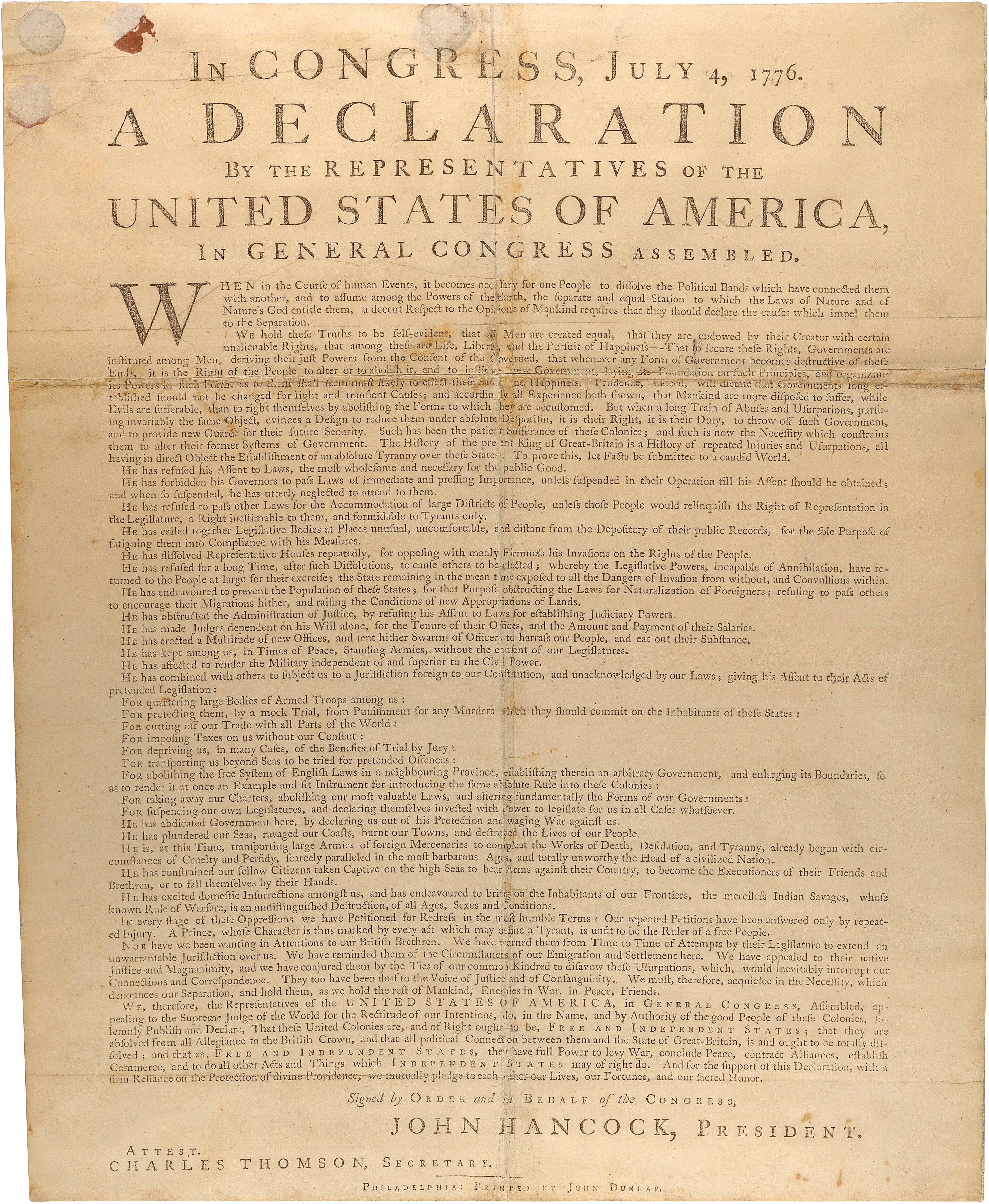
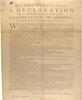
  • John Dunlap produced the first printed versions of the American Declaration of Independence in his Philadelphia shop on the night of July 4, 1776. After the Declaration had been adopted by the Congress earlier that day, a committee took the manuscript document to Dunlap for printing. On the morning of July 5, copies were distributed by members of Congress to various assemblies, conventions, and committees of safety as well as to the commanders of Continental troops.

    Dunlap Broadside, 1776. Records of the Continental and Confederation Congresses and the Constitutional Convention

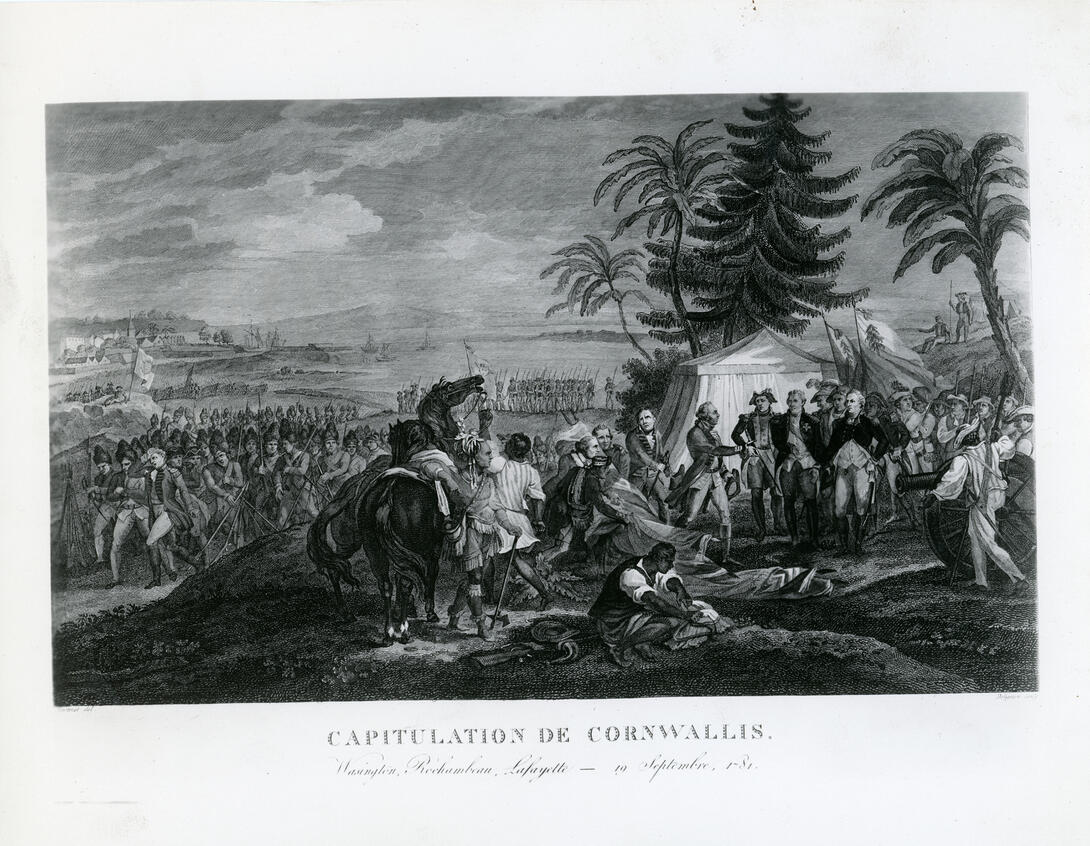
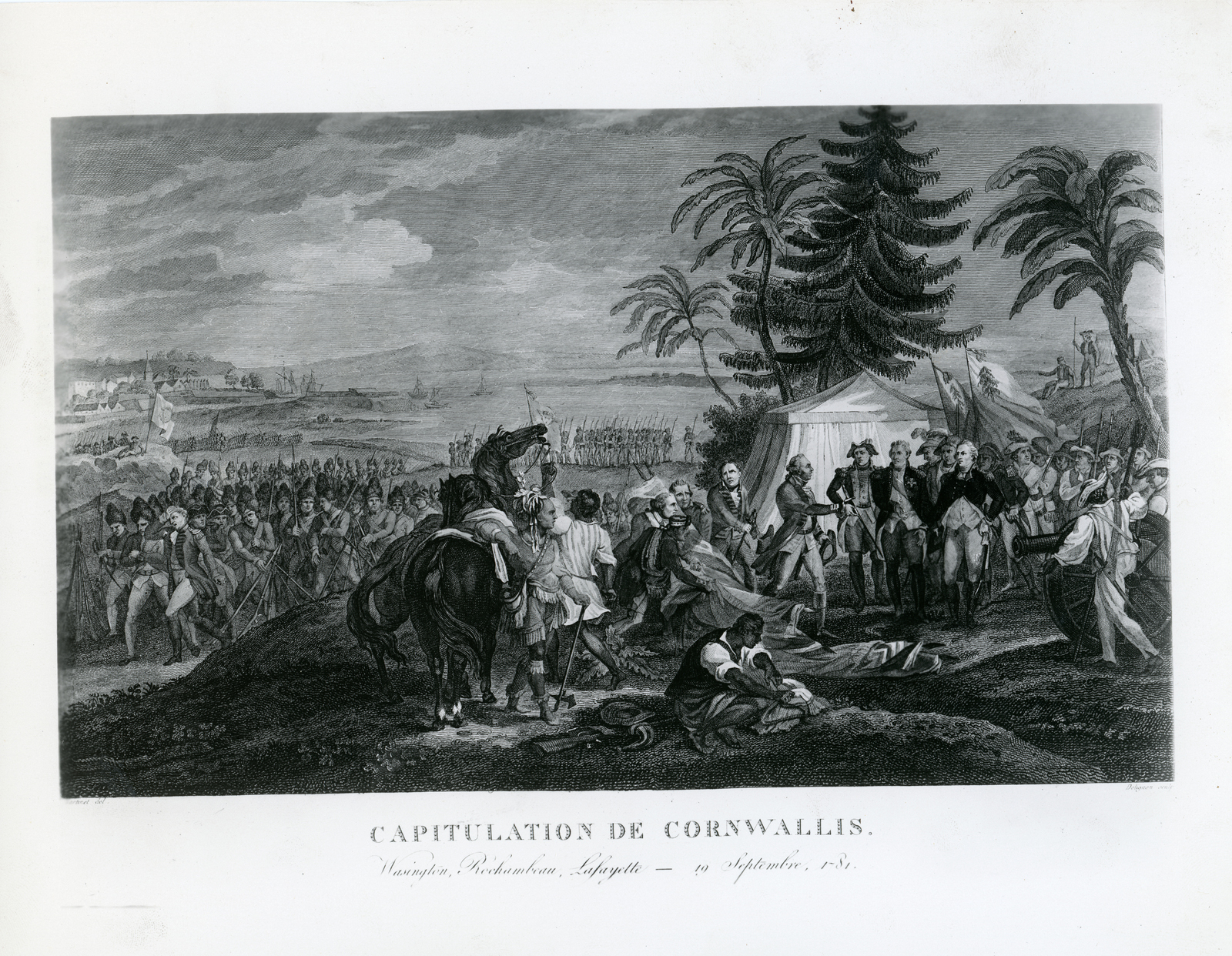
  • Independence was declared in 1776, but the war continued for five more years. The turning point came in the fall of 1777, when the Continental Army won the Battle of Saratoga. This victory helped the colonies form an alliance with France, whose navy helped neutralize Britain’s power at sea. The fighting finally ended in the fall of 1781, when General Charles Cornwallis surrendered to General George Washington near Yorktown, VA, on October 19.

    Copy of Engraving “Capitulation de Cornwallis. Washington, Rochambeau, Lafayette–19 Septembre, 1781” Records of Commissions of the Legislative Branch...Read more

    Copy of Engraving “Capitulation de Cornwallis. Washington, Rochambeau, Lafayette–19 Septembre, 1781” Records of Commissions of the Legislative Branch

    Read less
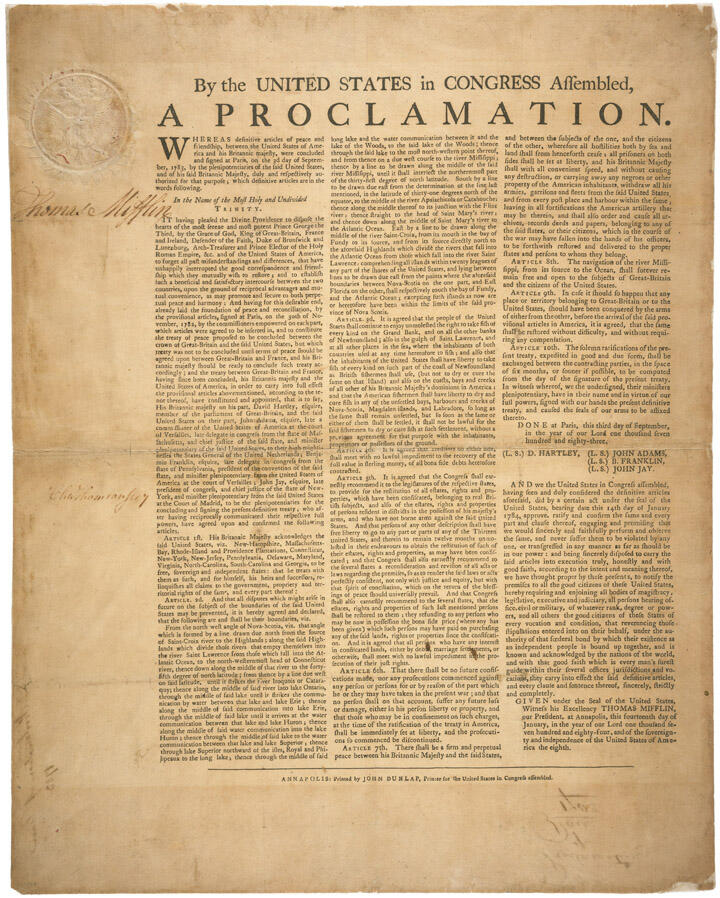
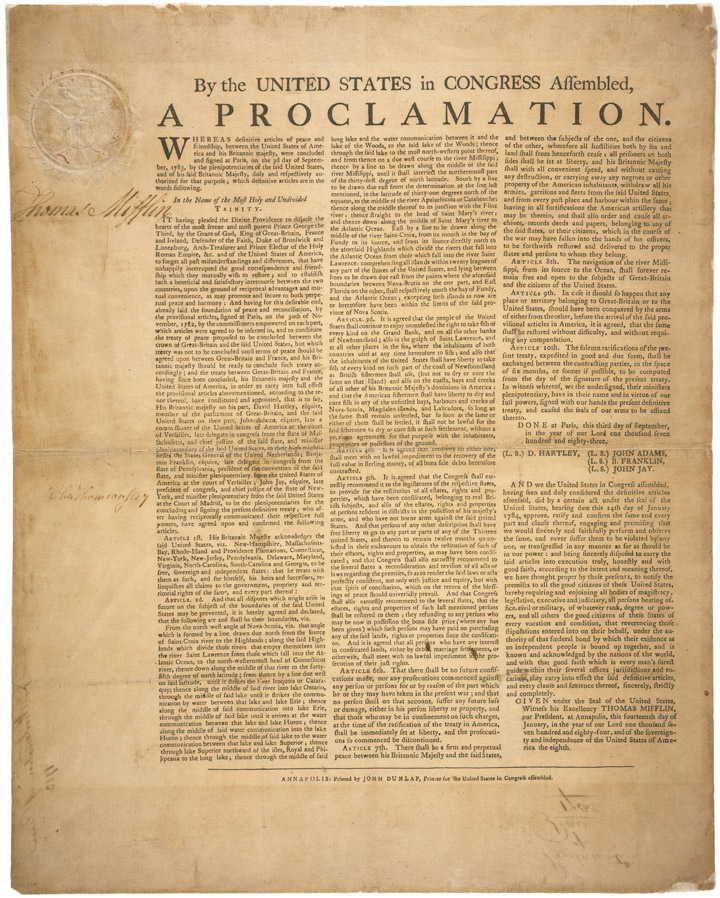
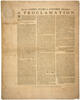
  • The Treaty of Paris officially ended the Revolutionary War between the United States and Great Britain. The principal American negotiators John Adams, Benjamin Franklin, and John Jay won two important things. First, Britain recognized the United States of America as a free, sovereign, and independent nation. Second, new boundaries were set that almost doubled the size of the United States and set the stage for western expansion.  


    Broadside Concerning the Definitive Peace Treaty Between the United States and Great Britain By the United States in Congress Assembled, A Proclamation...Read more

    Broadside Concerning the Definitive Peace Treaty Between the United States and Great Britain By the United States in Congress Assembled, A Proclamation, January 14, 1784. Records of the Continental and Confederation Congresses and the Constitutional Convention

    Read less
  • Illustration of general on horse reviewing line of troops
  • Broadside that includes text titled "Instructions to all the Governours of his Provinces in America"
    Black and white political cartoon of men in cage with other men poking sticks at them.
    Petition to the Kind of England
    Coercive Acts
    Two-page tan document with handwritten text
    Color painting of town with soldiers in the foreground, buildings in the midground, and hills and clouds in the background.
    Credentials of John Hancock, John Adams and Samuel Adams as Massachusetts Delegates to the Second Continental Congress
    Tan half-page document with black handwritten text
    Dunlap Broadside of the Declaration of Independence, July 4–5, 1776
    Engraving of soldiers on a field meeting in front of a tent. Horses in the foreground and palm trees in the background.
    Tan broadside document with three columns of black printed text, a seal in the upper left corner, and a handwritten signature.
DownloadShow Transcript