• Behind the Ink of the Declaration of Independence

    Meet the people who left their mark in ink on the Declaration of Independence
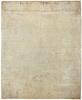
    Cream parchment page with black text and ink signatures
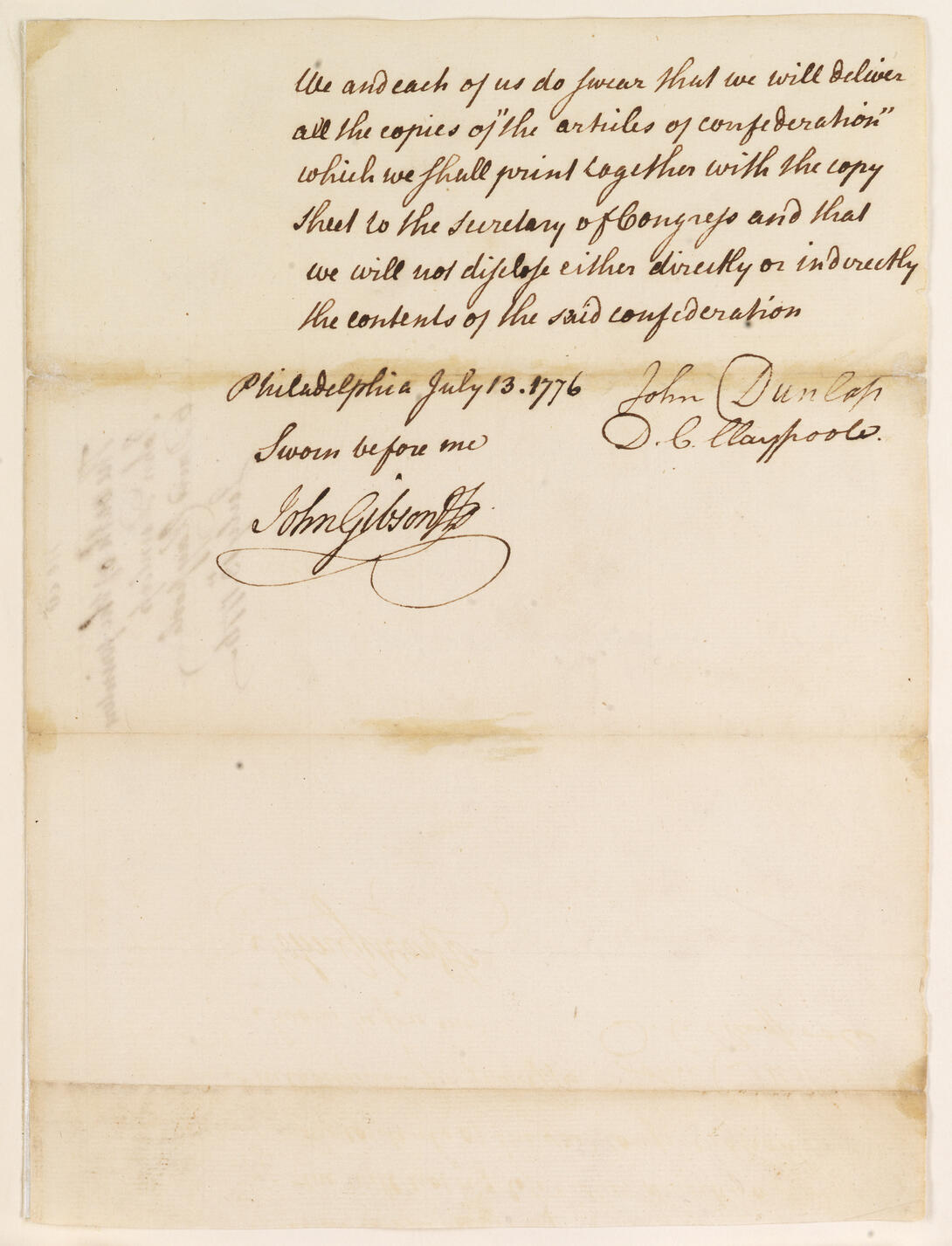
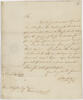
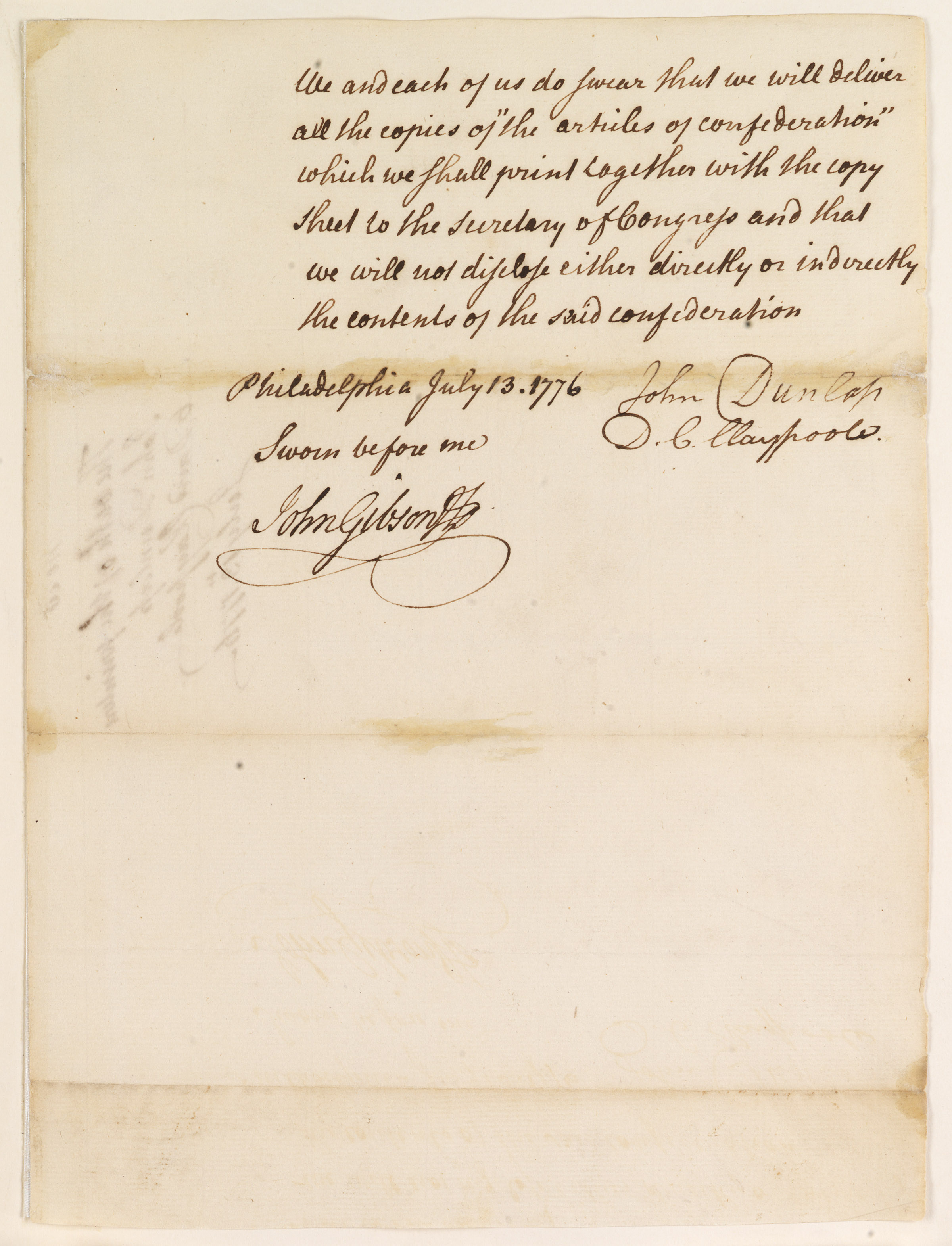
  • Irish immigrant John Dunlap was the official printer of the Continental Congress. He operated a Philadelphia shop, which published newspapers, notices, and broadsides. His work for the fledgling government often required secrecy, as shown by this oath he signed.

    Oath of Secrecy signed by John Dunlap and David Claypoole, July 13, 1776. Records of the Continental and Confederation Congresses and the Co...Read more

    Oath of Secrecy signed by John Dunlap and David Claypoole, July 13, 1776. Records of the Continental and Confederation Congresses and the Constitutional Convention

    Read less
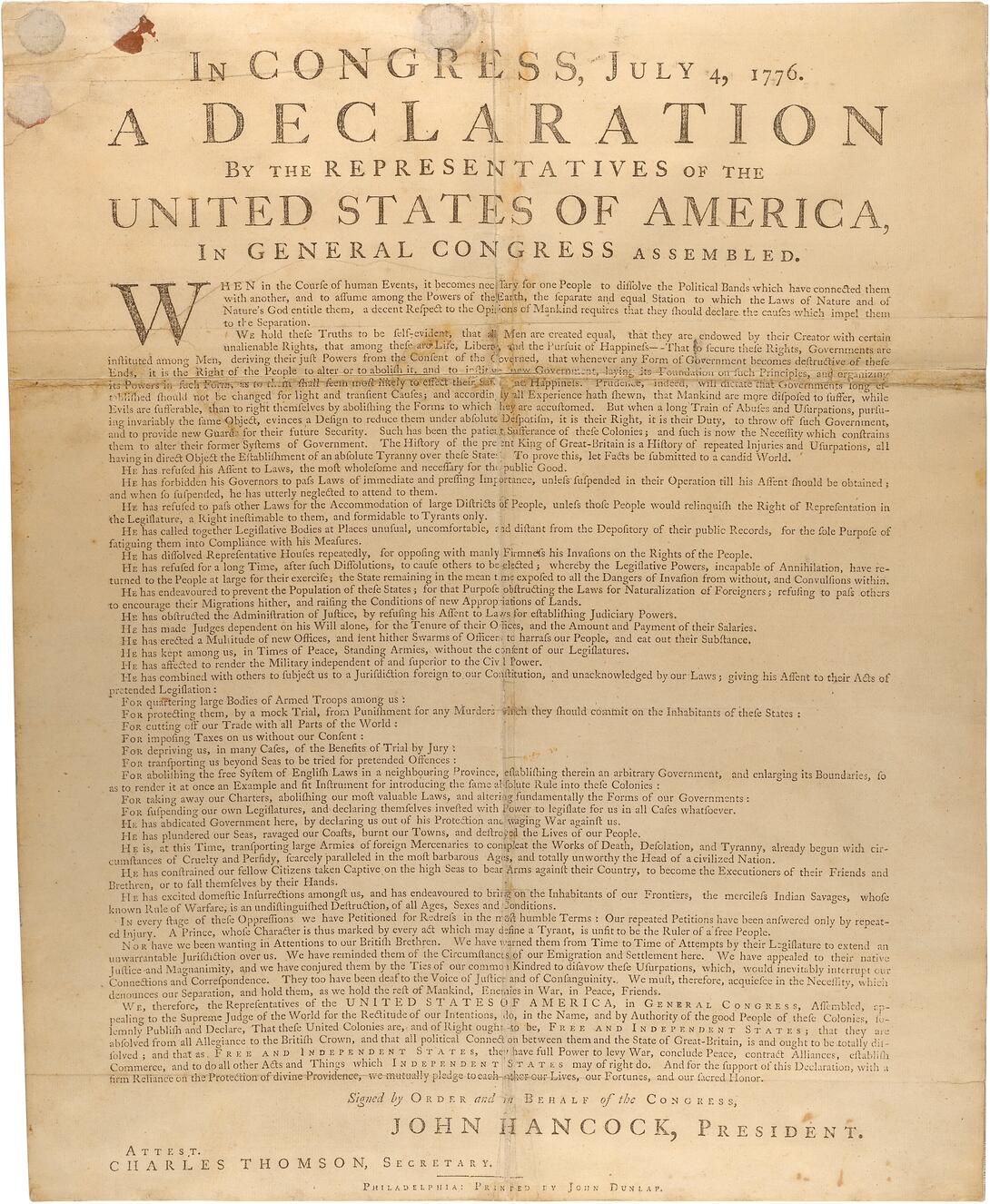
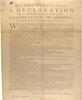
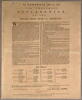
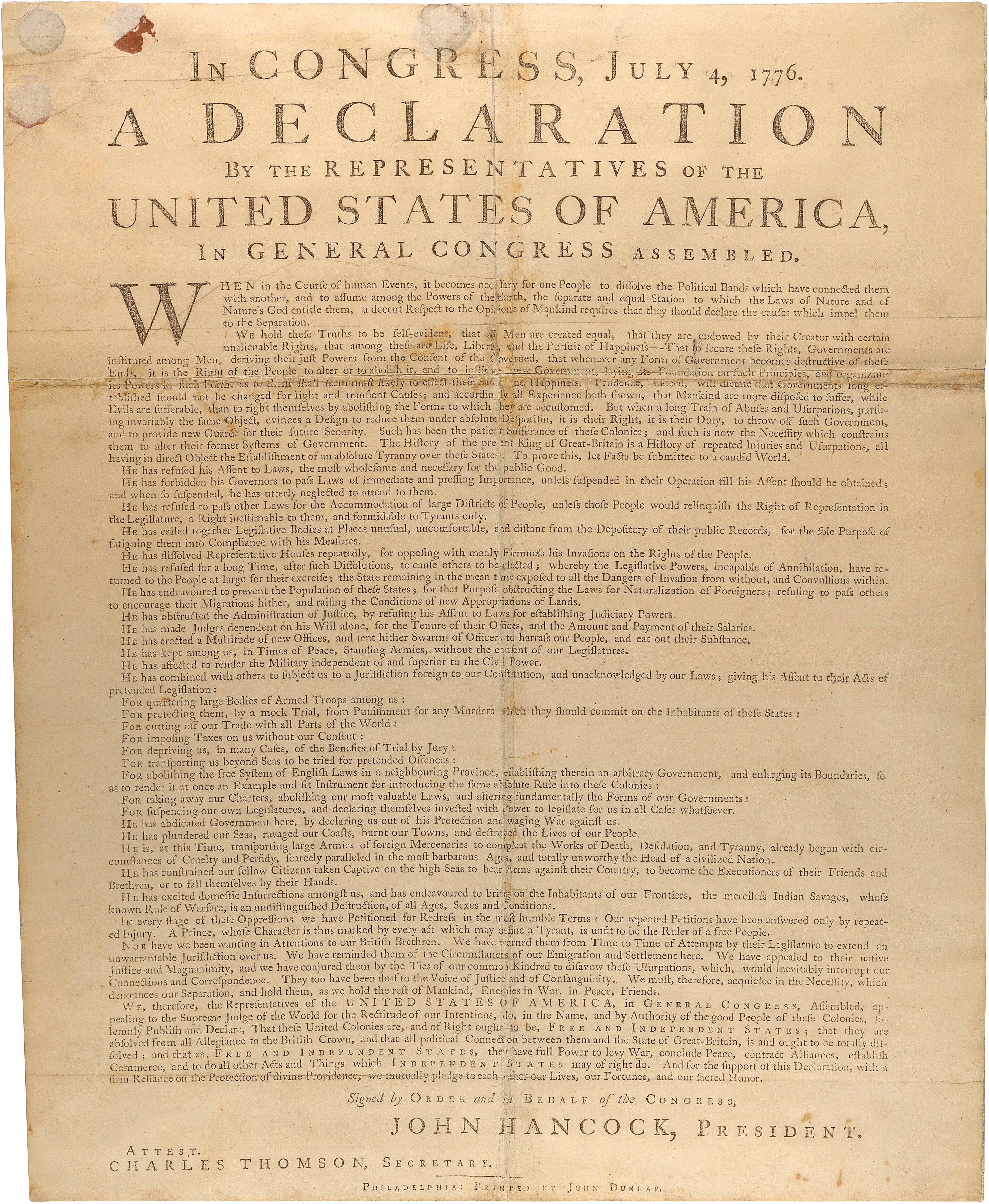
  • When the Continental Congress adopted the Declaration of Independence on July 4, 1776, Dunlap immediately began printing it. He worked late into the night, rapidly arranging letters and pressing the words onto paper. Postal riders distributed an estimated 200 copies across the colonies, where they were posted on buildings and read from state houses. Only 26 copies are known to survive, and one is at the National Archives.

    Dunlap Broadside, 1776. Records of the Continental and Confederation Congresses and the Constitutional Convention

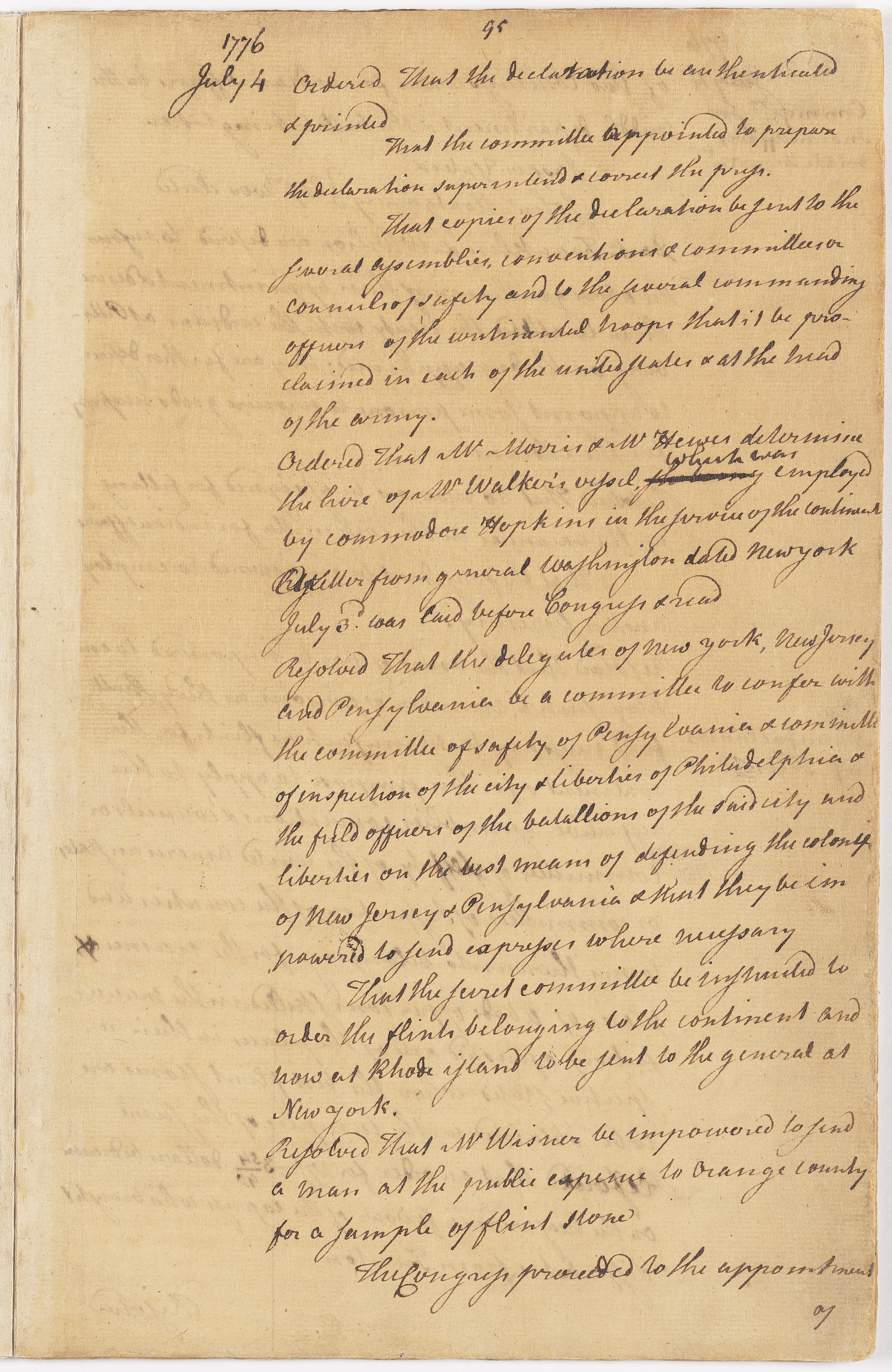
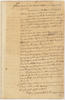
  • Above John Dunlap’s name on the broadside is that of another Irishman, Charles Thomson. As the Secretary of the Continental Congress, Thomson recorded the discussions and decisions of each meeting. His name appears on the Dunlap Broadside as a witness, as well as throughout the congressional journals he maintained.

    Rough Journal, Volume 3, July 4, 1776.  Records of the Continental and Confederation Congresses and the Constitutional Convention...Read more

    Rough Journal, Volume 3, July 4, 1776.  Records of the Continental and Confederation Congresses and the Constitutional Convention

    Read less
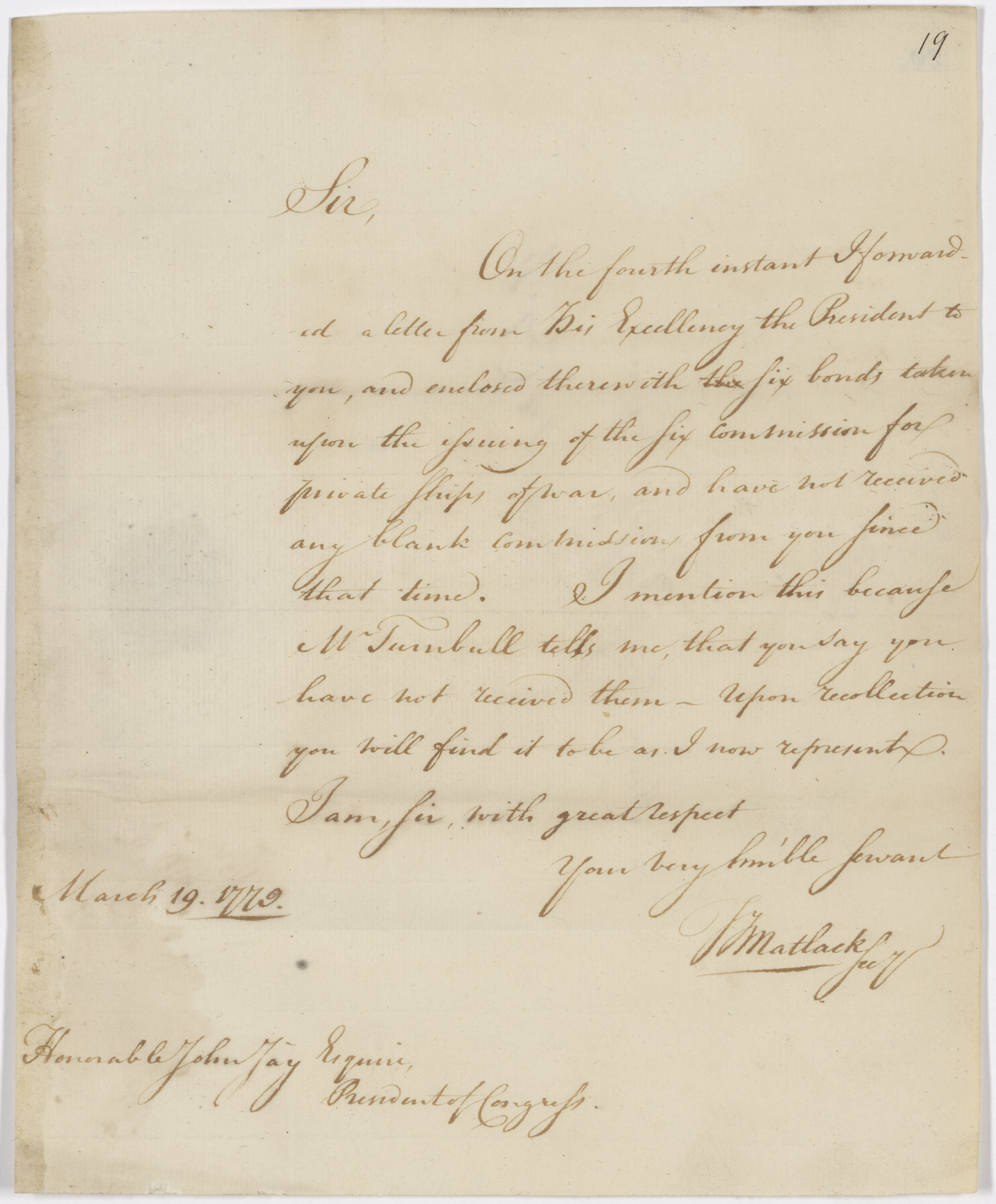
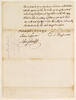
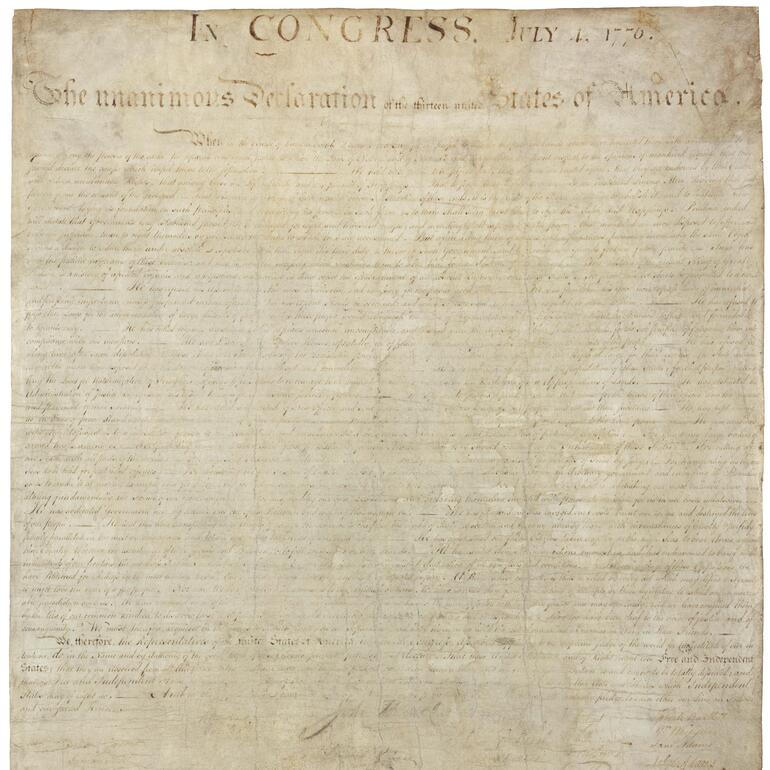
  • The official engrossed (handwritten) copy of the Declaration of Independence is housed in the Rotunda at the National Archives. On July 19, 1776, a clerk named Timothy Matlack transcribed it onto parchment with ink and quill. He penned the Declaration with an elegant English roundhand script, but his typical handwriting can be seen on this letter.

    Timothy Matlack to John Jay, March 19, 1779. Records of the Continental and Confederation Congresses and the Constitutional Convention...Read more

    Timothy Matlack to John Jay, March 19, 1779. Records of the Continental and Confederation Congresses and the Constitutional Convention

    Read less
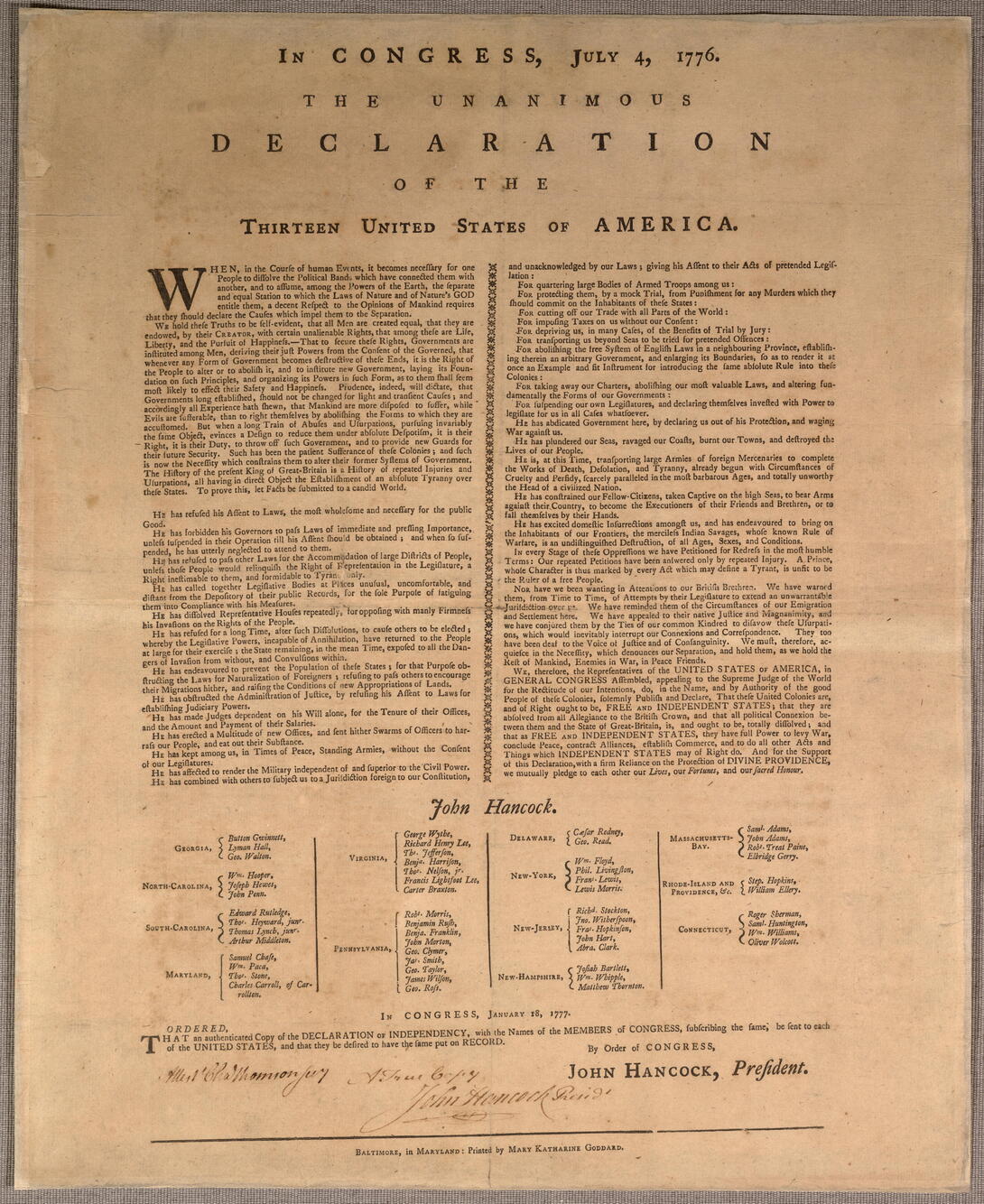
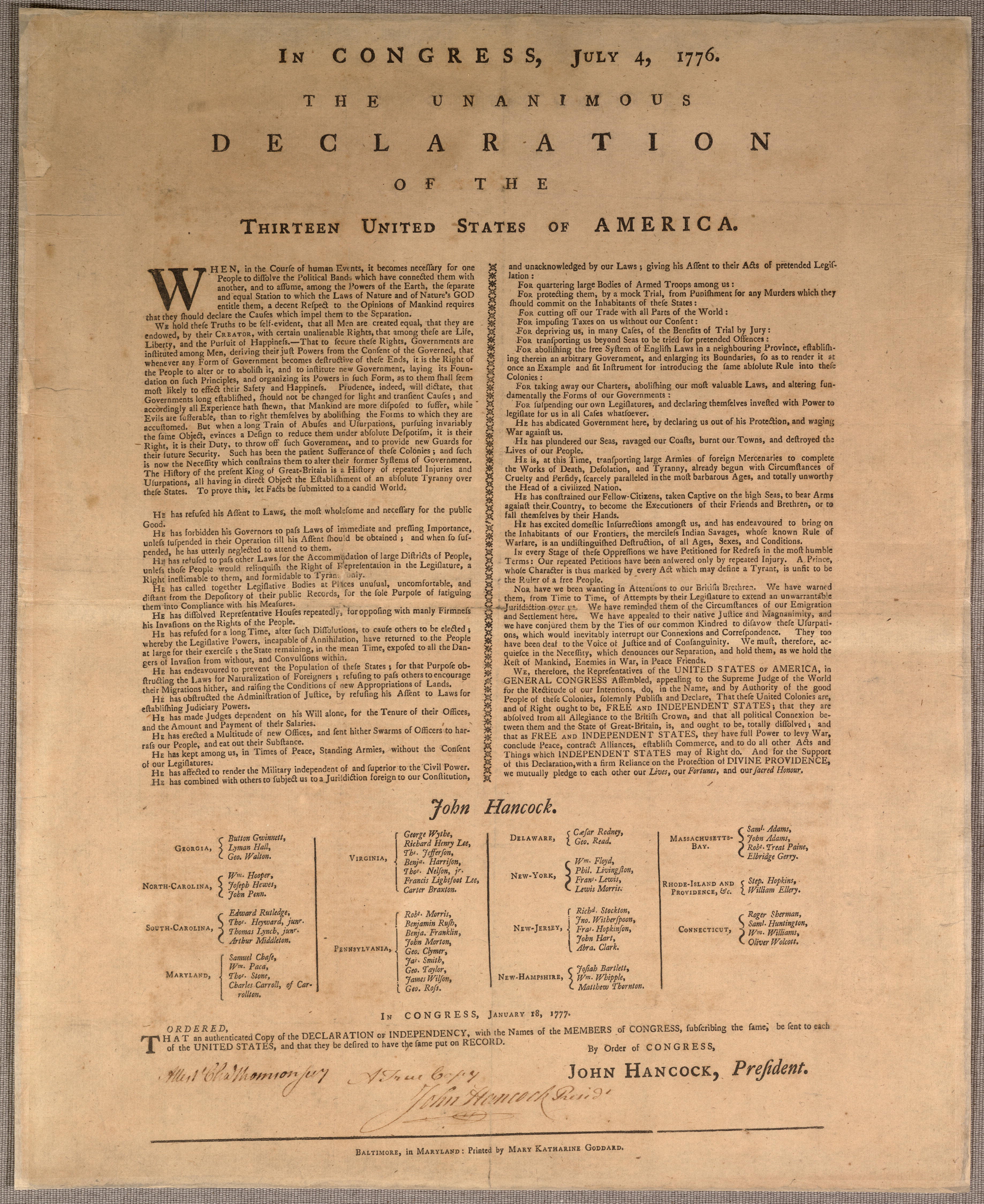
  • The Declaration’s signers kept their identities secret for months to protect them from British retaliation. Their names appeared for the first time in January 1777 on the second official printing. Listed below them is the printer, Mary Katharine Goddard of Baltimore. She is the only woman whose name appears on the Declaration of Independence, as seen here.   

    Goddard Broadside, 1777. Library of Congress

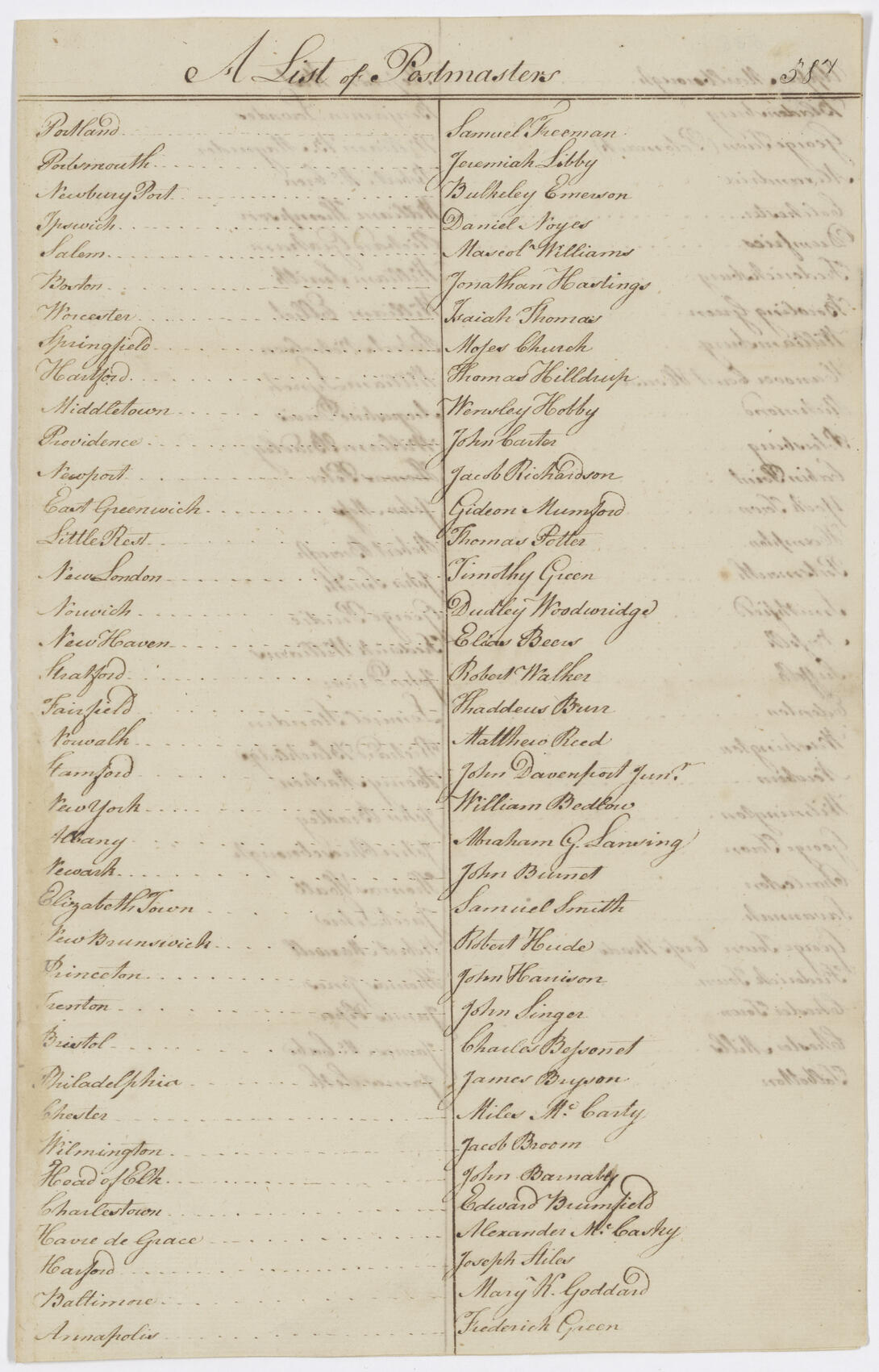
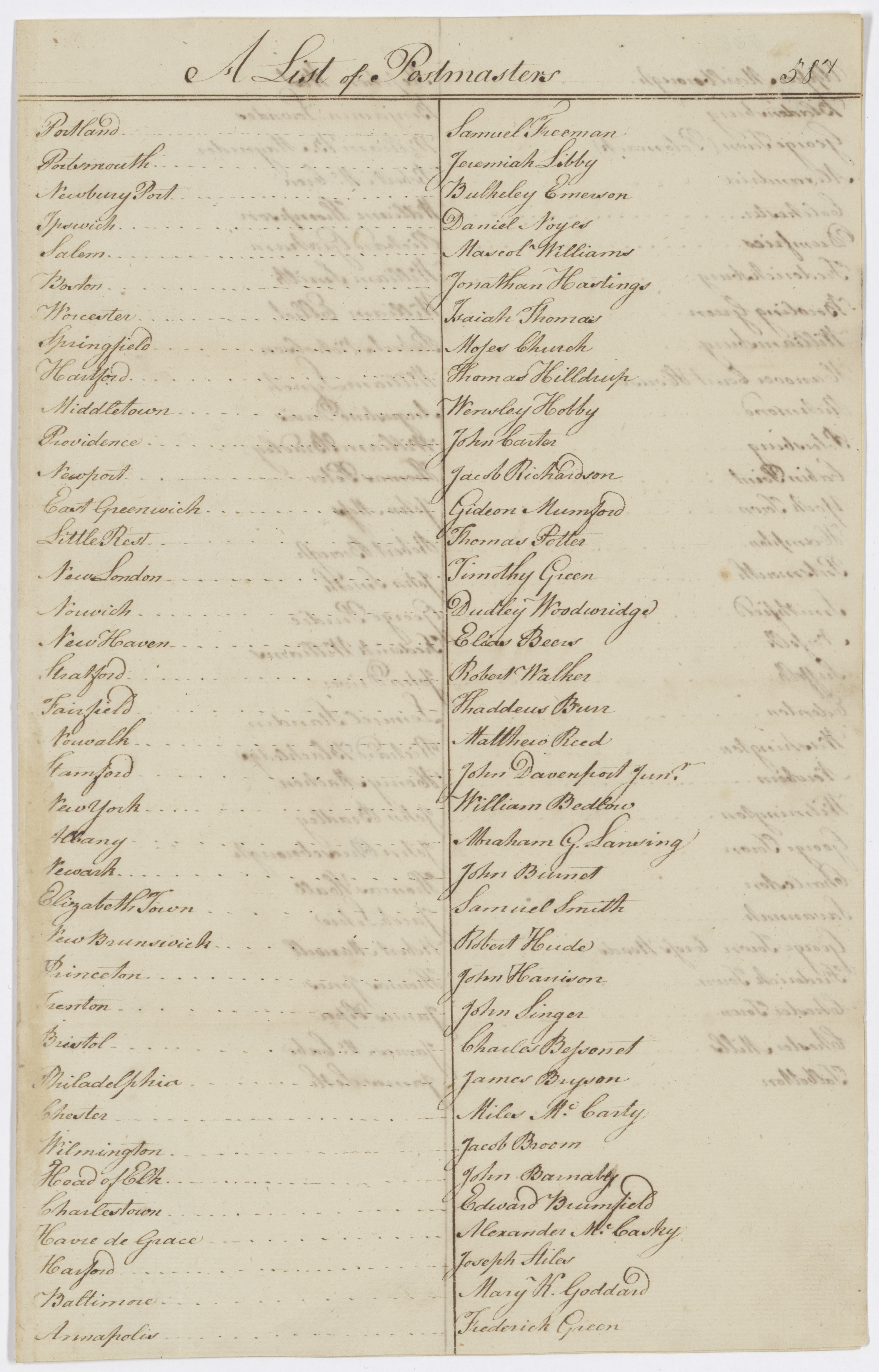
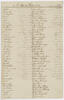
  • When the Continental Congress briefly resided in Baltimore, the responsibility of printing the Declaration of Independence fell to Mary Katharine Goddard as the city’s postmaster. Her name appears at the bottom of this list. A strong supporter of independence, Goddard regularly wrote and published about the revolution, reporting on battles and advocating for boycotts.

    List of Postmasters, 1777. Records of the Continental and Confederation Congresses and the Constitutional Convention
  • Behind the Ink of the Declaration of Independence is the last part of Road to Revolution, a series of displays highlighting National Archives records that document the journey from colonial resistance to American independence and the diverse experiences of the nation's founding generation.

    Road to Revolution is made possible in part by the National Archives Foundation, through the generous support of Comcast Corporation, Microsoft, and Procter & Gamble.

  • Cream parchment page with black text and ink signatures
  • Tan document with handwritten text and signatures in black ink
    Dunlap Broadside of the Declaration of Independence, July 4–5, 1776
    Tan document with black handwritten text
    Cream document with handwritten text and signature in faded black ink.
    Cream printed broadside document with printed black ink.
    Tan document with two column lists handwritten in black ink.
DownloadShow Transcript